Articles
HVAC Contractor Tips and Articles For Your Home
A Comprehensive Guide to Commercial HVAC Maintenance
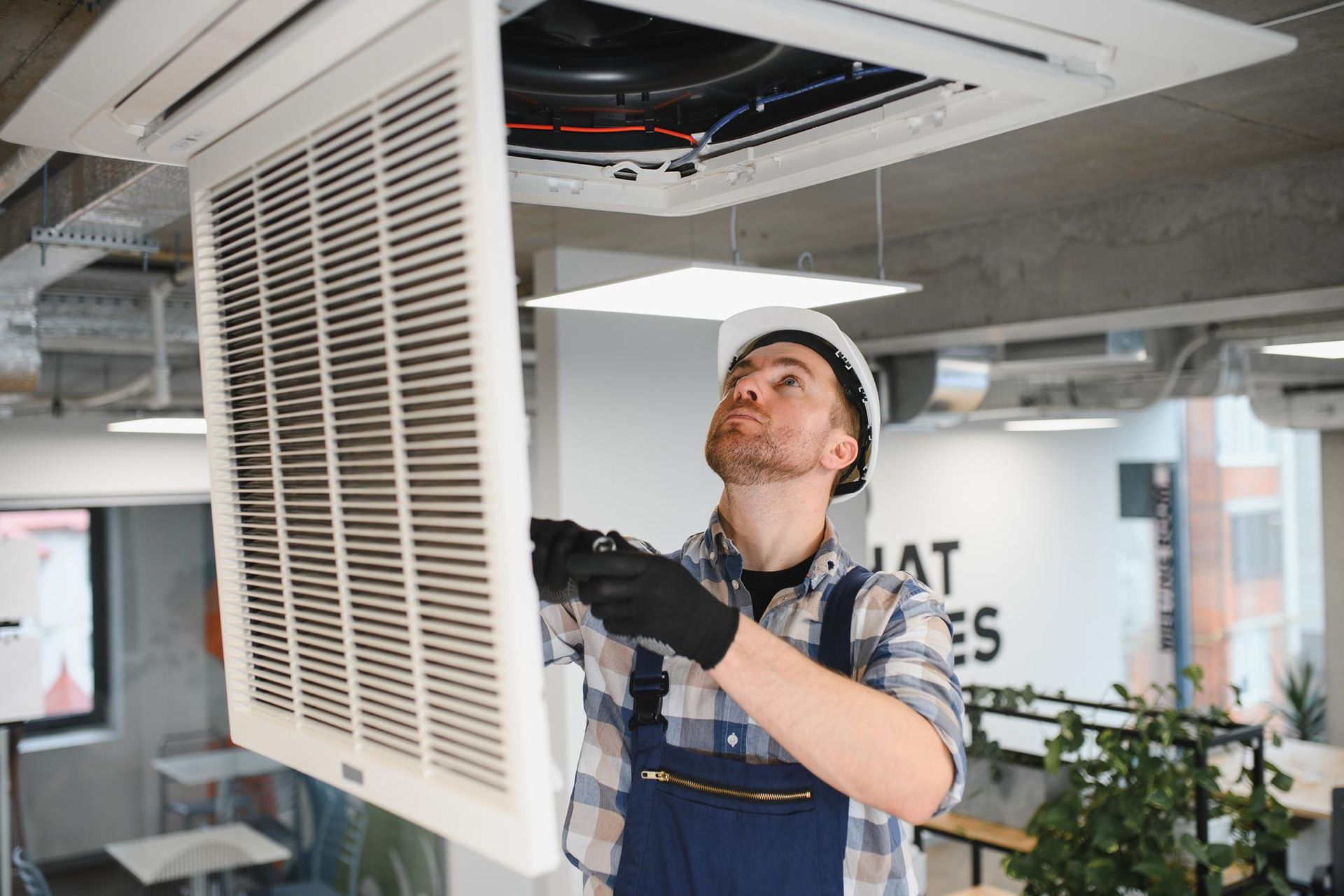
In a commercial property, heating and cooling affect far more than room temperature. HVAC performance can shape employee comfort, tenant complaints, energy use, and daily operations. A minor issue can become a major disruption when it affects offices, customer areas, or several tenant spaces at once.
That is why HVAC maintenance for commercial buildings should be treated as part of property operations, not as a task that begins only when equipment stops working. The strongest approach combines professional service with smart planning around occupancy, building use, records, and future equipment needs.
This guide focuses on light commercial properties, including offices and smaller commercial buildings, and shows how HVAC decisions relate to the overall health of the property.
Think of HVAC as Business Infrastructure
Commercial HVAC equipment supports the work happening inside the building. When comfort drops, productivity, customer experience, and tenant satisfaction can drop with it.
For that reason, commercial HVAC system maintenance should begin with one question: what happens if this system is unavailable for several hours or an entire day?
A small office may temporarily adjust work areas, whereas a medical office, server room, retail location, or food-related business may have less flexibility. That risk helps determine which equipment deserves the closest attention.
Let Occupancy Shape the Maintenance Plan
A building is not used the same way every hour. Busy offices, meeting rooms, vacant suites, and storage areas can all have different heating and cooling needs.
Maintenance planning should reflect those patterns. Busy customer areas may place greater demand on equipment, while renovations, new tenants, added computers, or staffing changes can change cooling needs.
Property managers should review:
- Operating hours: Compare HVAC schedules with actual building use. Equipment that runs long after the building is empty may require control adjustments.
- High demand zones: Identify areas with high occupancy, electronics, sunlight, or frequent door traffic.
- Recent changes: New walls, added offices, or tenant improvements can alter airflow even when the HVAC equipment has not changed.
The goal is to maintain the building as it is today, not as it was configured years ago.
Treat the Roof as Part of Your HVAC Strategy
Many light commercial buildings use rooftop packaged units. Because they sit outside normal work areas, problems may go unnoticed until indoor comfort changes.
Roof access, debris, snow, drainage, and nearby construction can affect rooftop equipment. Property teams should keep access clear and avoid work that blocks airflow or damages units.
HVAC work should also be coordinated with roof repairs. Changes to flashing, curbs, or drainage near a rooftop unit can affect the HVAC area, and equipment replacement may require coordination with the roofing team. This is one reason HVAC maintenance for commercial buildings works best when the property manager looks beyond the mechanical unit itself.
Use Comfort Complaints as Building Data
A tenant saying, “this room is always too hot,” is not just a customer service issue. Repeated complaints can reveal patterns involving airflow, controls, ductwork, occupancy, solar heat, or equipment performance.
Keep a simple log with the location, time of day, outdoor conditions, and what the occupant noticed.
Useful records may include:
- Rooms that regularly feel too hot or too cold
- Times when comfort problems are most noticeable
- Unusual odors, sounds, or airflow changes
- Whether the problem began after a renovation or tenant change
Good records help turn vague complaints into useful service information.
Read Utility Changes Before They Become a Surprise
Energy use varies with weather, occupancy, business hours, and utility rates. Still, a sudden increase in consumption may deserve attention.
If a building begins using much more energy without a clear reason, HVAC performance should be part of the review. Restricted airflow, incorrect schedules, control issues, or equipment that runs longer than expected can affect energy use.
Compare current bills with those from similar months in prior years and note major changes in building use. Commercial HVAC system maintenance becomes more useful when you consider operating data alongside technician findings.
Make Service Records Part of the Property File
Commercial properties often change managers, tenants, vendors, and ownership. Without organized records, important HVAC history can disappear during those transitions.
Each major unit should have a service history with its location, model, major repairs, recurring issues, and past recommendations. A simple digital folder may be enough for a smaller building.
These records show which units need the most repairs, whether problems repeat, and which recommendations remain open. That history supports planning for repair, capital, and replacement.
Plan Around Tenants, Customers, and Work Hours
HVAC service can create noise, temporary temperature changes, roof access activity, or brief interruptions. Good scheduling limits the effect on people using the property.
For offices, service may be easier during lower occupancy. Retail spaces may need work outside peak times, while multi-tenant properties may require advance notice.
Property managers should also decide who communicates with occupants during a problem. A short update can explain what area is affected and what action is underway.
Commercial HVAC Maintenance Checklist for Property Managers
A clear HVAC maintenance checklist helps property managers track system condition, reduce missed tasks, and keep service records organized. The checklist should match the building type and equipment, but it can include:
- Filters and airflow: Check filter condition, blocked vents, return airflow, and signs of weak air movement in occupied spaces.
- Thermostats and controls: Confirm temperature settings, schedules, and sensors are working as expected.
- Coils and outdoor equipment: Look for dirt buildup, debris, blocked airflow, or visible damage around rooftop or outdoor units.
- Drainage: Check condensate lines, drain pans, and nearby areas for standing water, leaks, or signs of blockage.
- Electrical components: Have a qualified technician inspect connections, controls, motors, and other electrical parts for wear or abnormal operation.
- Belts, fans, and moving parts: Review for visible wear, unusual vibration, and noise that may indicate developing mechanical issues.
- Heating and cooling performance: Confirm the system reaches set temperatures, cycles normally, and provides consistent comfort across the building.
- Service history: Record completed maintenance, repairs, recurring concerns, and recommendations so future decisions are based on accurate system history.
Prepare for Seasonal Demand Before the Weather Forces You To
A system that seems fine during mild weather may struggle when outdoor conditions become extreme. Spring and fall are useful times to address known concerns before heavy cooling or heating demand.
Seasonal planning should confirm rooftop access, thermostat schedules, filter needs, and any open repair recommendations.
In northern Illinois, winter can place heavy demand on heating equipment, while summer heat and humidity challenge cooling systems. Planning early gives property managers more time to respond without making decisions during a comfort emergency.
Build a Replacement Roadmap Before Equipment Fails
One of the most useful steps in commercial property management happens outside the service visit: planning for eventual replacement.
Every HVAC unit will reach the end of its useful life. Waiting for complete failure can turn a planned capital decision into an urgent operational problem.
Create an equipment list with age, condition, repair history, and the importance of the area served. Group units into categories such as stable, watch closely, and replacement planning.
Age alone should not determine replacement. Condition, performance, repair frequency, and whether the equipment still suits the building also matter. Still, knowing which units are most likely to need future attention makes budgeting and scheduling easier.
Turn the Checklist Into a Property Management Tool
A useful commercial HVAC maintenance checklist should be customized to the building and equipment.
Qualified technicians should handle refrigerant work, electrical diagnostics, internal repairs, and other tasks that require training or certification. Assign each maintenance task to the appropriate person, such as the property manager or HVAC technician. Record the service date, findings, and any recommendations that still need attention. Give outstanding items a responsible contact and target completion date, then confirm when the work is finished. This keeps maintenance organized and helps prevent unresolved concerns from being overlooked.
Conclusion
Commercial HVAC care is most effective when it is integrated into the overall property strategy. Equipment service matters, but so do occupancy patterns, utility trends, rooftop conditions, tenant communication, service records, and replacement planning.
Gleason Heating and Air Conditioning delivers top-notch commercial HVAC service, backed by trained technicians and a strong focus on customer satisfaction. We service, repair, maintain, and install HVAC systems commonly used in offices and smaller commercial buildings.
Whether you are planning maintenance, addressing a system issue, or considering replacement, our team is ready to help. Schedule your commercial HVAC service today.
Frequently Asked Questions
How Often Should a Commercial HVAC System Receive Professional Service?
The right schedule depends on equipment type, operating hours, building conditions, manufacturer guidance, and system age. Equipment that runs heavily or operates in dusty conditions may need more frequent attention.
Should Every HVAC Unit in a Commercial Property Follow the Same Schedule?
Not always. Units serving busy areas, operating longer hours, or operating in demanding environments may require different service intervals. A property-specific plan is more useful than treating every unit exactly the same.
What Records Should a Property Manager Keep for HVAC Equipment?
Keep equipment identification, service dates, major repairs, technician recommendations, recurring problems, and replacement history. These records support better repair and capital planning.
Can Tenant Complaints Help Identify HVAC Issues?
Yes. Repeated complaints about the same room, zone, or time of day can reveal patterns that deserve professional investigation. Documenting those complaints gives technicians useful context.
When Should a Commercial Property Start Planning HVAC Replacement?
Planning can begin before failure, when equipment ages, repairs become frequent, performance declines, or a unit serves a business-critical space. A professional evaluation can help determine whether continued repair or future replacement makes more sense.
Disclaimer: The information on this website and blog is for general informational purposes only and is not professional advice. We make no guarantees of accuracy or completeness. We disclaim all liability for errors, omissions, or reliance on this content. Always consult a qualified professional for specific guidance.
Recent Posts