Articles
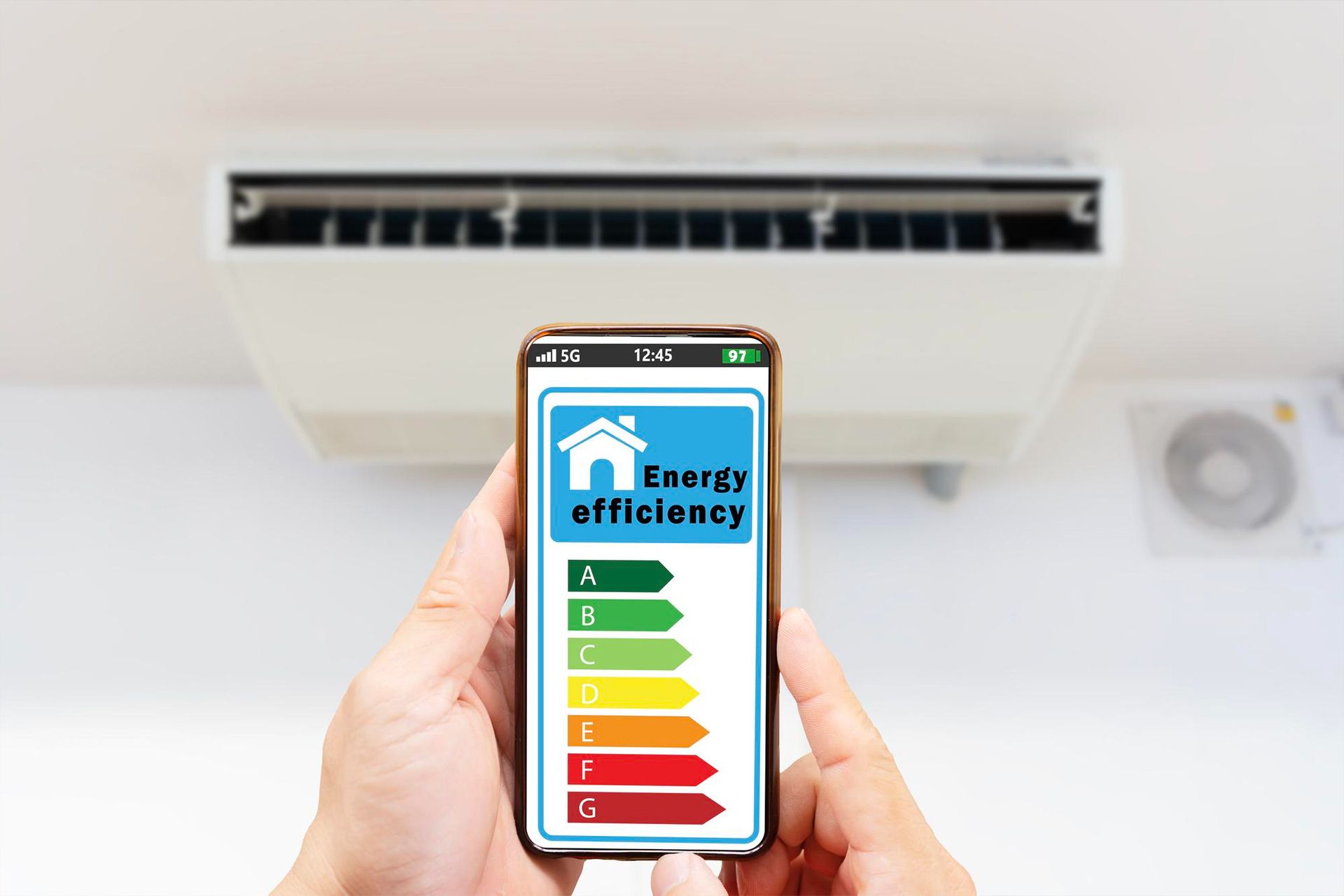
HVAC Contractor Tips and Articles For Your Home
Importance of HVAC Maintenance: A Complete Guide
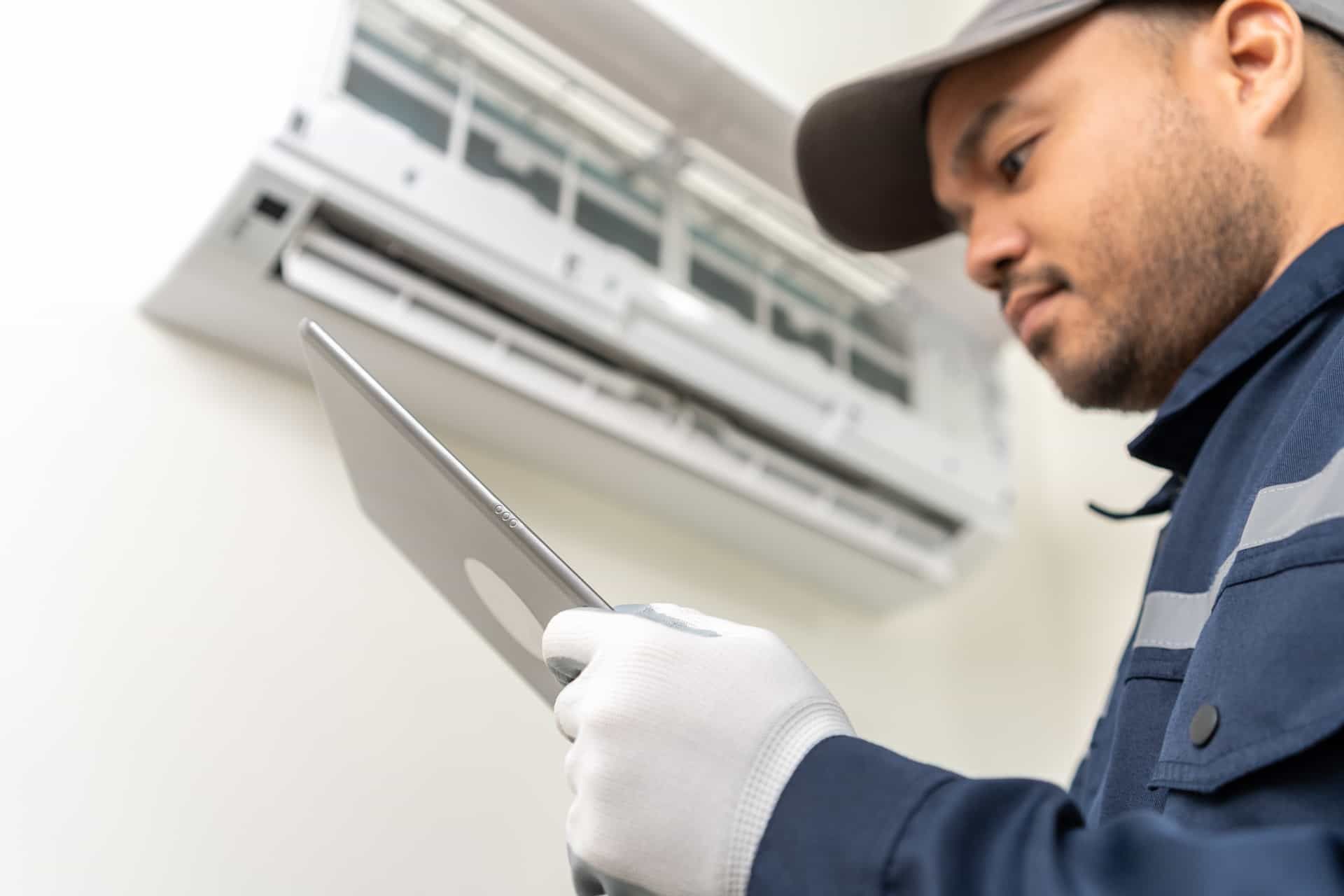
Your heating and cooling system works year-round to keep indoor temperatures comfortable. During that time, filters collect dust, drains can clog, electrical connections can loosen, and dirt can build up on key components. These changes may not cause an immediate breakdown, but they can gradually affect comfort and performance.
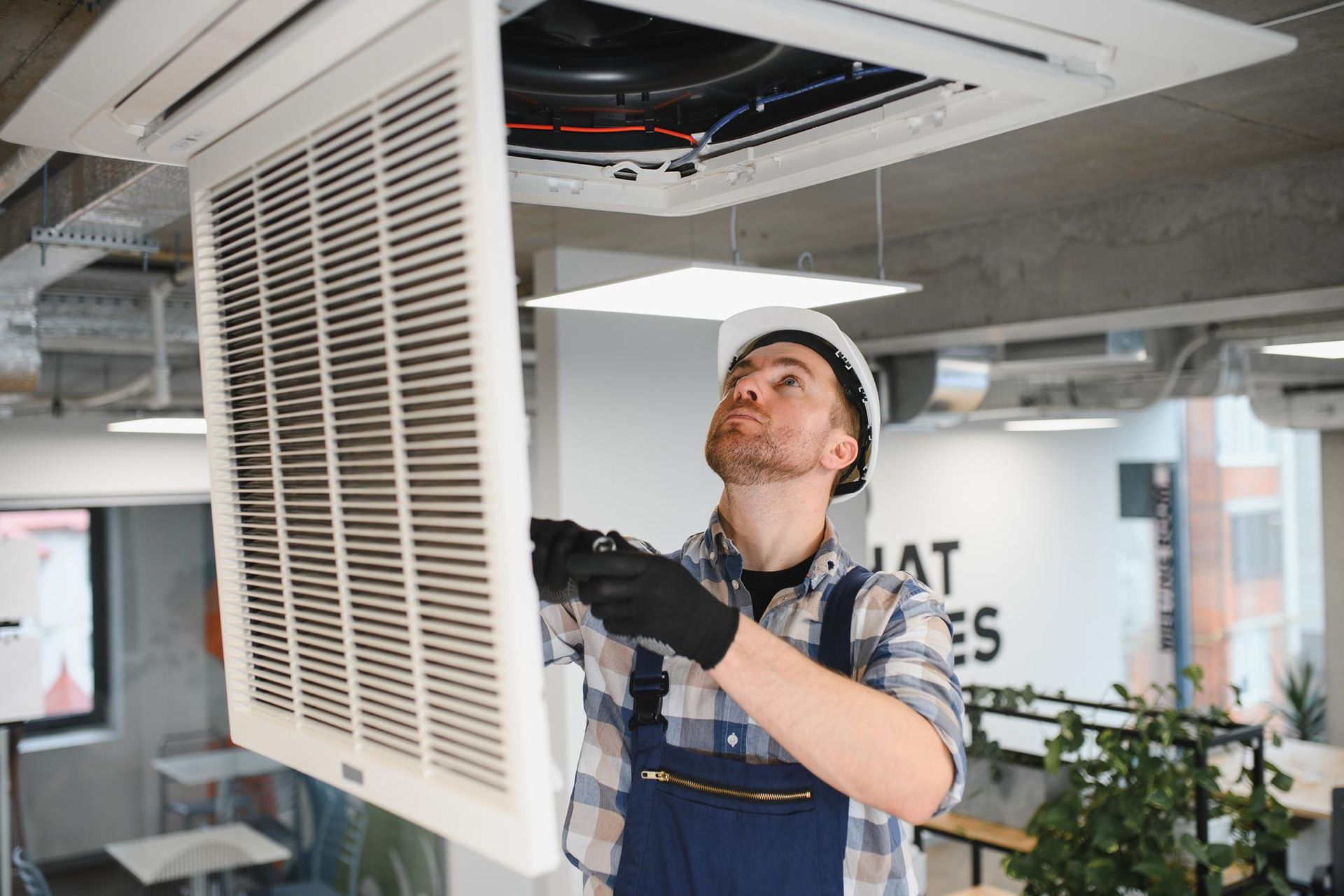
Understanding the importance of HVAC maintenance helps homeowners maintain their equipment before obvious problems develop. Regular service gives a trained technician a chance to inspect the system, clean key parts, check operation, and identify signs of wear. The benefits of HVAC maintenance include improved efficiency, more consistent comfort, fewer unexpected problems, and more informed repair decisions.
1. Helps Your System Use Energy More Effectively
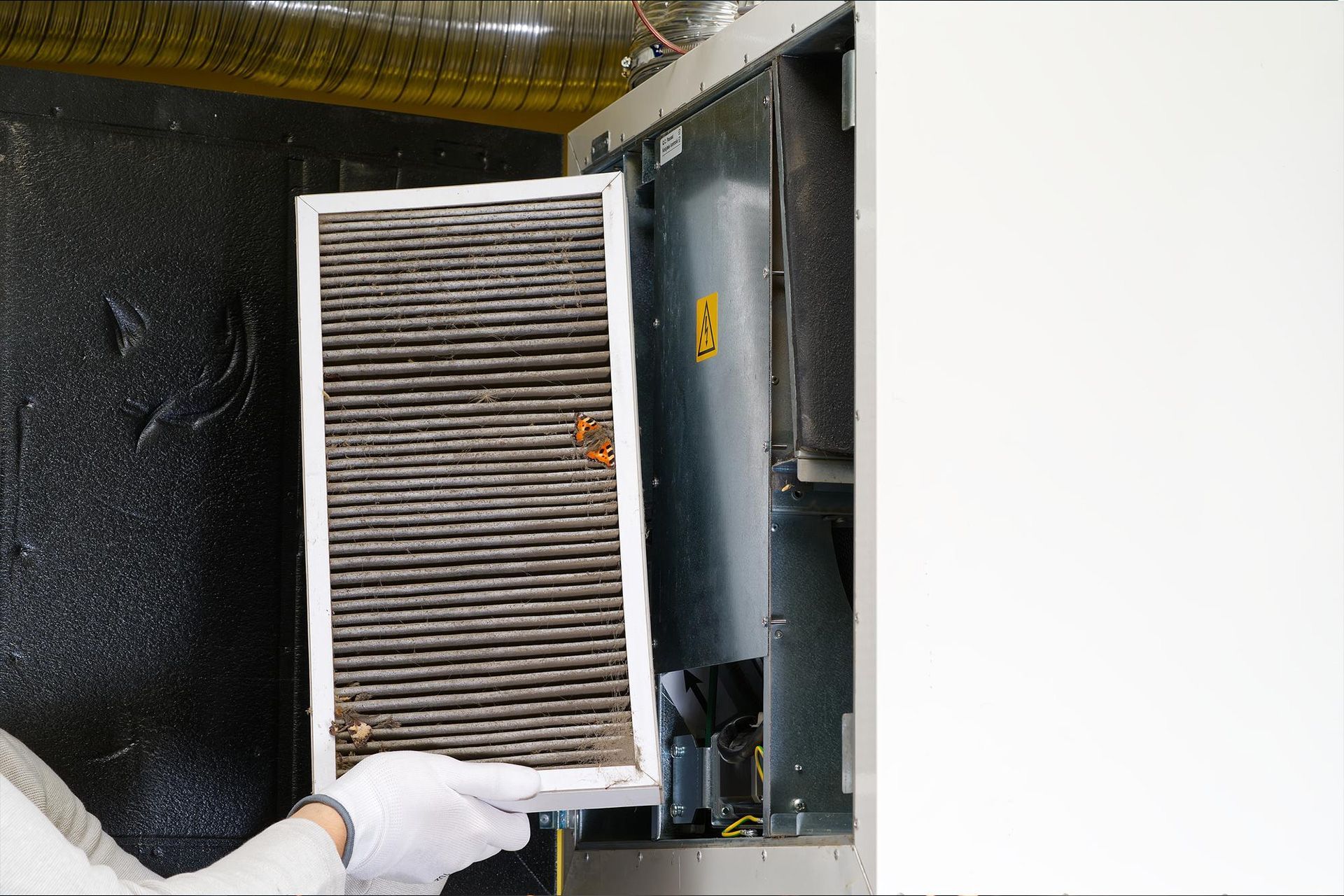
An HVAC system needs proper airflow and clean components to operate as designed. A dirty filter can restrict airflow, while dirt on coils can make it harder for the system to transfer heat. When that happens, equipment may run longer or work harder to reach the thermostat setting.
Routine service can address these basic efficiency problems. A technician may inspect filters, coils, controls, blowers, and other components based on your home's equipment.
Maintenance cannot make an old system perform like a new one or correct poor insulation or bad duct design. Still, keeping equipment clean and correctly adjusted helps it operate closer to its intended performance.
2. Reduces the Chance of Unexpected Breakdowns
Heating and cooling equipment often gives warning signs before a major failure. A drain may collect debris, an electrical component may show wear, or a motor may begin to operate poorly.
Regular inspections give technicians an opportunity to identify emerging issues before they lead to a complete loss of heating or cooling. Maintenance cannot prevent every breakdown, but finding visible wear and operating problems early can keep smaller issues from going unnoticed.
3. Supports More Consistent Indoor Comfort
A system can run while still delivering poor comfort. One room may stay warmer than another, airflow may feel weak, or the equipment may cycle more often than expected.
Maintenance allows a technician to check airflow, thermostat operation, equipment response, and the condition of accessible components. If the issue comes from duct leakage, insulation, system sizing, or another part of the home, the inspection can help point you toward the next step.
Consistent comfort is one of the most practical HVAC maintenance benefits homeowners often notice. The goal is not simply to make the equipment turn on. It helps the system deliver heating or cooling steadily and reliably.
4. Helps Protect Important HVAC Components
Heating and cooling systems depend on proper airflow, electrical connections, drainage, and heat transfer. A clogged filter may reduce airflow, while a blocked condensate drain can cause water to back up around cooling equipment.
A professional maintenance visit may include:
- Checking filters and airflow: A technician can determine whether airflow appears restricted and whether filter condition is affecting operation.
- Inspecting electrical components: A technician can check connections and controls for visible wear or abnormal operation.
- Reviewing drains and coils: Cooling systems may need condensate drainage and coil condition checks for moisture or heat-transfer problems.
The exact work should follow the equipment manufacturer’s instructions and the specific system's needs.
5. Can Help Equipment Serve You Longer
No HVAC system lasts forever. Equipment life depends on installation quality, climate, daily use, system sizing, maintenance history, and component condition.
Regular care cannot guarantee a certain lifespan. It can, however, help reduce avoidable strain caused by dirty filters, neglected components, or problems left uncorrected for extended periods.
This is another reason the importance of HVAC maintenance becomes clearer as equipment gets older. Routine service also creates a history of the system's condition, which can help homeowners recognize when repairs become more frequent and replacement should be considered.
6. Supports Better Airflow and Cleaner System Conditions
Your HVAC system moves a large amount of air through the home. Filters help capture particles before air moves through the equipment, but they become less effective when overloaded with dust and debris.
Changing filters at the right intervals is one of the simplest maintenance tasks homeowners can do. Check the filter monthly during peak heating and cooling seasons, and replace it when dirty. It is also advised to change it at least every three months unless the manufacturer recommends otherwise.
Professional service can also identify dirt buildup around accessible components. Still, HVAC service is not a cure for every indoor air quality concern. Moisture, ventilation, pets, and outdoor pollutants also affect indoor air.
7. Gives You a Better Picture of System Condition
Routine service also gives homeowners useful information. A technician can explain what was inspected, which components appear to be operating correctly, and what may need attention. This can give you more time to consider repairs rather than deciding in an emergency.
Useful questions to ask include:
- Is anything showing unusual wear? Ask which parts to watch and whether action is needed.
- Is the system heating or cooling normally? Ask about any performance concerns found during the visit.
- What should I do between visits? Filter changes and keeping outdoor equipment clear can support routine care.
Clear information helps homeowners make practical decisions based on the equipment's actual condition.
8. Helps Prepare the System for Seasonal Demand
Heating and cooling equipment works hardest when outdoor temperatures become extreme. Discovering a furnace problem during the first very cold night or an air conditioner problem during a heat wave can be especially inconvenient.
Scheduling service before periods of heavy use gives homeowners time to address known concerns. Homeowners can have cooling equipment checked before summer demand and heating equipment inspected before winter.
This approach to heating and cooling maintenance also makes it easier to notice changes from one season to the next. New noises, longer run times, weak airflow, or trouble reaching the thermostat setting deserve attention even if a routine visit is not yet due.
What Can Homeowners Do Between Professional Visits?
Professional service is only part of good system care. Homeowners can support their equipment with a few simple habits.
Check the filter regularly and replace it according to the filter and equipment instructions. Keep furniture, rugs, and other items away from supply and return vents. Outdoors, keep leaves, weeds, and loose debris from accumulating around the air conditioner or heat pump, and maintain manufacturer-recommended clearances.
Also watch for new noises, unusual odors, water near the system, repeated cycling, weak airflow, or unexplained comfort problems.
Do not remove equipment panels or attempt gas, refrigerant, high-voltage electrical, or internal mechanical work unless you are properly trained.
How Often Should HVAC Equipment Be Maintained?
The correct schedule depends on the equipment and manufacturer requirements. Many systems receive professional service once a year, while separate heating and cooling equipment may benefit from seasonal visits.
Your owner’s manual should be your first reference, as it explains required maintenance and warranty-related instructions. System age and operating conditions may also affect service needs. A qualified HVAC professional can recommend a schedule based on the actual equipment.
Conclusion
Routine system care keeps heating and cooling equipment clean, checks how it operates, and helps identify problems early. The main benefits include greater efficiency, more consistent comfort, component protection, and readiness for heavy seasonal use.
Gleason Heating and Air Conditioning provides furnace, air conditioning, heat pump, boiler, and other HVAC maintenance services for homeowners in Wauconda and surrounding communities in northern Illinois. Our team can inspect your equipment, perform appropriate maintenance, and explain any concerns found during the visit.
Schedule an HVAC maintenance appointment with Gleason to help keep your heating and cooling system ready.
Frequently Asked Questions
Can Maintenance Prevent Every HVAC Breakdown?
No. Even well-maintained equipment can fail unexpectedly. Routine service may identify developing issues early, but it cannot prevent every breakdown.
Should I Change My HVAC Filter Every Month?
Check it regularly, especially during heavy use. Replace it when dirty and follow the filter and equipment manufacturer’s instructions. Some filters need replacement more often than others.
Is HVAC Maintenance Necessary for a New System?
Yes. New equipment still needs filter care, inspections, cleaning, and other manufacturer-recommended service. Proper care also helps document maintenance if warranty questions arise later.
What Should I Do if My HVAC System Starts Making a New Noise?
If the noise continues, becomes loud, or is accompanied by burning odors, leaks, or changes in airflow, contact an HVAC technician.
What Is Usually Checked During an HVAC Maintenance Visit?
The checklist depends on the equipment. A technician may inspect filters, airflow, electrical components, controls, coils, drainage, burners, safety devices, and other system-specific parts in accordance with the manufacturer's guidance.
Disclaimer: The information on this website and blog is for general informational purposes only and is not professional advice. We make no guarantees of accuracy or completeness. We disclaim all liability for errors, omissions, or reliance on this content. Always consult a qualified professional for specific guidance.
Recent Posts