Articles
HVAC Contractor Tips and Articles For Your Home
Warning Signs Your Furnace Needs Replacement ASAP
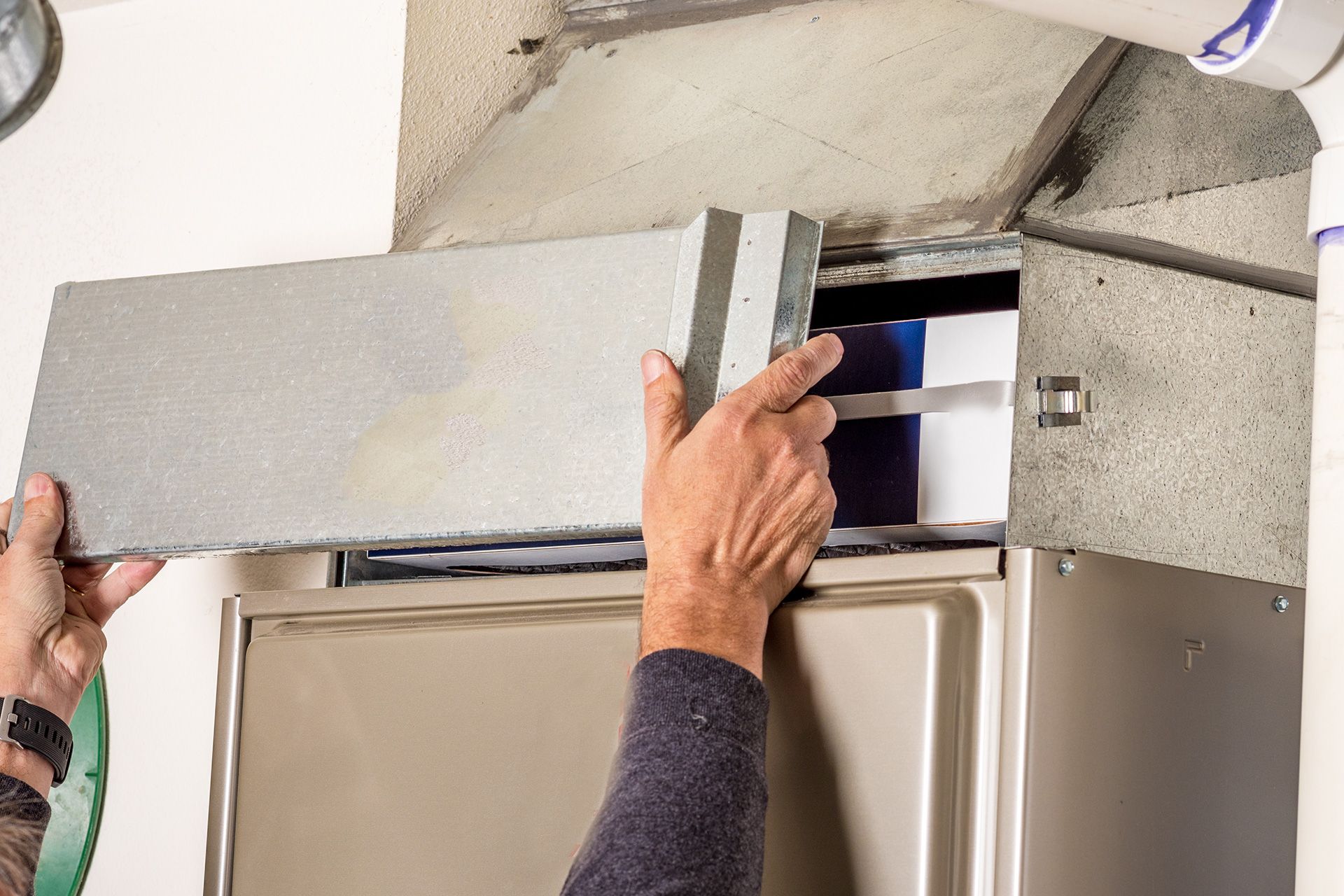
A reliable furnace is essential for keeping your home warm and comfortable during cold weather. Most homeowners expect their heating system to work when temperatures drop. However, furnaces do not last forever. Over time, wear and tear can reduce performance, increase energy use, and create safety concerns.
While some heating issues can be fixed with furnace repair, others indicate that the system is nearing the end of its lifespan. Knowing the warning signs early can help you avoid unexpected breakdowns and make informed decisions about your home's heating system.
This guide explains the most important signs that you need a new furnace and when it may be time to consider a replacement rather than another repair.
What’s the Lifespan of a Furnace?
Most residential furnaces last between 15 and 20 years with proper maintenance. Factors such as usage, maintenance history, and installation quality can affect how long the system performs efficiently.
As a furnace ages, components wear out, efficiency declines, and repair needs often become more frequent. Paying attention to performance changes can help you recognize when replacement may be the better long-term solution.
Here are the signs that your furnace needs to be replaced.
1. Your Furnace Is More Than 15 Years Old
Age is one of the clearest indicators that replacement may be approaching.
Even if an older furnace still operates, it may not perform as efficiently as newer systems. Modern furnaces are designed with advanced technology that delivers improved heating performance and energy efficiency.
If your system is over 15 years old and showing other performance issues, it could be one of the strongest signs you need a new furnace. Older equipment is also more likely to require expensive repairs as parts wear out or become difficult to replace.
2. Rising Energy Bills Without Explanation
Heating costs naturally change throughout the year, but a noticeable increase in energy bills without a change in usage can indicate furnace problems. As furnaces age, they often lose efficiency. The system must work harder and run longer to produce the same amount of heat.
Higher utility bills may suggest:
- Declining furnace efficiency
- Worn internal components
- Airflow problems
- Aging equipment
While furnace repair may solve some efficiency issues, repeated increases in energy consumption may indicate that replacement is the more practical solution.
3. Frequent Repair Visits
Every furnace will occasionally require service. However, repeated repair appointments can become a warning sign. If you are calling for furnace repair multiple times each year, your system may be approaching the end of its useful life.
Common recurring problems include:
- Ignition issues
- Blower motor failures
- Sensor malfunctions
- Electrical component problems
- Heating inconsistencies
Frequent breakdowns not only increase inconvenience but also reduce confidence in your heating system.
One of the most overlooked signs that you need a new furnace is when repair costs and service visits become a regular part of home ownership.
4. Uneven Heating Throughout the Home
A healthy furnace should distribute heat evenly across your home. If some rooms feel comfortable while others remain cold, your heating system may no longer be operating efficiently.
Uneven heating can result from:
- Aging furnace components
- Reduced airflow
- Ductwork issues
- An undersized or oversized system
Although some issues can be addressed with furnace repair, persistent temperature imbalances may indicate a system that can no longer meet your home's heating needs.
5. Strange Noises During Operation
All furnaces make some noise during normal operation. However, new or unusual sounds should never be ignored. Common warning noises include:
- Banging
- Rattling
- Squealing
- Popping
- Grinding
These sounds may indicate loose components, worn parts, or a mechanical failure. If unusual noises persist even after service, they may be a sign that you need a new furnace rather than another temporary fix.
6. Yellow Burner Flame Instead of Blue
The burner flame in a gas furnace should typically appear blue. A yellow flame may indicate improper combustion and should be inspected immediately by a qualified HVAC professional.
Potential causes include:
- Ventilation problems
- Dirty burners
- Carbon monoxide concerns
- Fuel system issues
Safety should always be the top priority when evaluating furnace performance. If your technician identifies serious combustion problems, furnace replacement may be recommended to ensure safe operation.
7. Excess Dust and Poor Indoor Air Quality
An aging furnace can affect indoor air quality. As systems wear out, they may struggle to filter and circulate air effectively. Homeowners may notice:
- Increased dust accumulation
- Dry indoor air
- More allergy symptoms
- Poor airflow
While maintenance can improve some conditions, older equipment often becomes less effective at maintaining healthy indoor comfort. These changes may be subtle, but they are often among the early signs you need a new furnace.
8. Your Home Feels Less Comfortable
Comfort is one of the main reasons homeowners invest in heating systems. If your furnace runs constantly but your home never feels warm enough, it may be struggling to maintain the desired temperatures.
You may notice:
- Longer heating cycles
- Cold spots
- Frequent thermostat adjustments
- Delayed heating response
A system that can no longer keep up with demand often signals declining performance and efficiency.
9. The Furnace Cycles On and Off Frequently
Short cycling occurs when a furnace turns on and off more often than normal. This problem can increase wear on components and reduce system efficiency.
Potential causes include:
- Faulty controls
- Airflow restrictions
- Improper sizing
- Aging components
While some short-cycling issues can be corrected with furnace repair, recurring problems in an older unit may warrant replacement.
10. Visible Signs of Wear and Damage
A visual inspection can reveal clues about your furnace's condition.
Look for:
- Rust
- Cracks
- Corrosion
- Loose panels
- Excessive dirt buildup
Visible deterioration often indicates years of wear and may suggest that the system is nearing the end of its service life. When combined with other symptoms, physical damage is a sign that you need a new furnace.
When Should You Choose Replacement Over Repair?
The decision between repair and replacement depends on several factors. Replacement may be the better option when:
- The furnace is over 15 years old
- Repairs are becoming frequent
- Energy bills continue to rise
- Heating performance is declining
- Safety concerns are present
A trusted HVAC professional can evaluate your system and recommend the most practical solution based on its condition.
Conclusion
Recognizing the warning signs early can help you avoid unexpected heating failures and maintain comfort throughout the colder months. Issues such as rising utility bills, uneven heating, frequent service calls, unusual noises, and declining performance often indicate that your system may be nearing the end of its lifespan.
Call Gleason is here to assist homeowners in evaluating their heating systems and determining whether furnace repair or furnace replacement is the best solution. Our experienced team can inspect your equipment, explain your options, and help you make an informed decision for your home's comfort and safety.
Schedule a furnace evaluation with our team today to ensure your heating system is ready for the seasons ahead.
FAQs
What are the most common signs you need a new furnace?
Some of the most common warning signs that you need a new furnace include frequent repairs, rising energy bills, uneven heating, strange noises, and a furnace more than 15 years old.
Can furnace repair extend the life of my system?
Yes. Regular maintenance and timely furnace repair can help extend equipment life. However, older systems may eventually require replacement despite proper care.
How long does a typical furnace last?
Most furnaces last between 15 and 20 years when properly maintained.
Is uneven heating a sign of furnace failure?
Uneven heating can indicate airflow problems, aging components, duct issues, or a furnace that is no longer operating efficiently.
How do I know if I need furnace replacement instead of repair?
If repairs are becoming frequent, energy costs are increasing, and the furnace is nearing the end of its expected lifespan, replacement may provide better long-term value and reliability.
Disclaimer: The information on this website and blog is for general informational purposes only and is not professional advice. We make no guarantees of accuracy or completeness. We disclaim all liability for errors, omissions, or reliance on this content. Always consult a qualified professional for specific guidance.
Recent Posts