Articles
HVAC Contractor Tips and Articles For Your Home
Pros and Cons of High-Efficiency Furnaces Explained
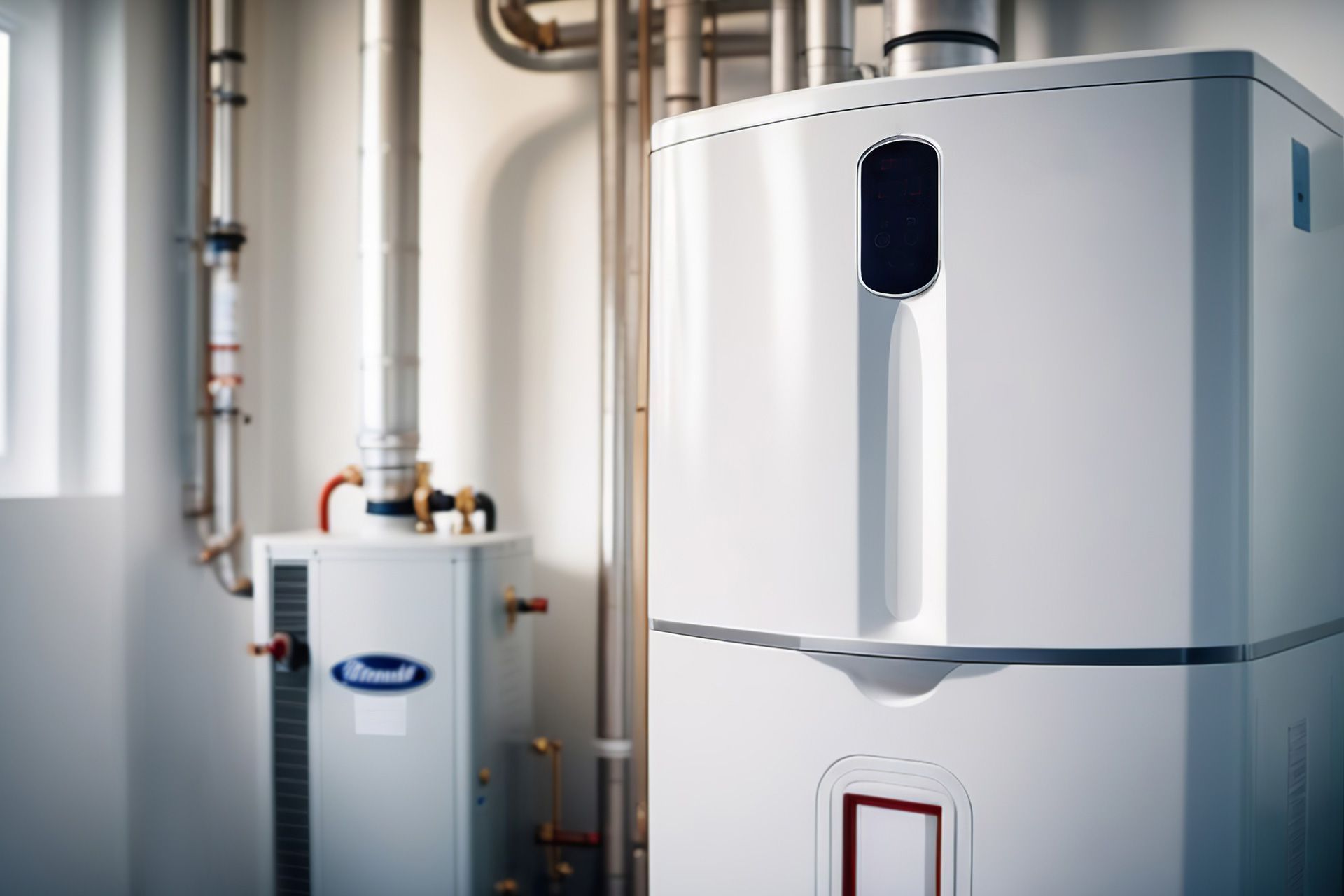
Choosing a new furnace is an important decision for any homeowner. Your heating system affects your comfort, energy use, and indoor air quality throughout the colder months. If you are researching replacement options, you have probably come across high-efficiency models and wondered whether they are the right choice for your home.
An energy-efficient furnace is designed to convert more fuel into usable heat than older or standard models. While these systems offer many advantages, they are not the perfect fit for every home. Understanding both the benefits and the drawbacks can help you make a more informed decision.
This guide explains the pros and cons of high-efficiency furnaces and highlights situations where each option may work best.
What Makes a High-Efficiency Furnace Different?
A furnace's efficiency is measured by its Annual Fuel Utilization Efficiency, also known as AFUE. This rating shows how much fuel becomes usable heat for your home.
Standard furnaces generally have lower AFUE ratings, whereas modern high-efficiency models typically have an AFUE rating of 90% or higher. That means more of the fuel is converted into heat rather than lost through the exhaust system.
These systems use advanced technology, improved heat exchangers, and better airflow management to maximize heating performance.
Benefits of Choosing a High-Efficiency Heating System.
A high-efficiency heating system offers several advantages beyond simply heating your home. Modern technology allows these systems to provide greater comfort while reducing energy waste.
Lower Energy Consumption
One of the biggest reasons homeowners choose an efficient heating system is improved energy efficiency.
Because more fuel is converted into usable heat, the furnace does not have to work as hard to maintain comfortable indoor temperatures. This allows the heating system to operate more efficiently throughout the season.
More Consistent Indoor Comfort
Older furnaces often create noticeable temperature swings. A room may feel warm while the furnace runs and cool down quickly after it shuts off.
Many modern furnace systems provide steadier heating cycles that maintain more even temperatures throughout the home.
This helps eliminate hot and cold spots and creates a more comfortable indoor air quality.
Better Indoor Air Quality
Many newer heating systems include improved airflow and filtration features.
Better air circulation can help reduce dust and improve overall indoor comfort when combined with regular filter replacement and routine HVAC maintenance.
Quieter Operation
Modern furnace designs often operate much more quietly than older systems.
Improved insulation, variable speed blowers, and updated components reduce operating noise, making the heating system less noticeable during daily use.
Improved Environmental Performance
Since an energy-efficient furnace uses fuel more efficiently, it generally produces fewer emissions than older heating equipment.
Homeowners looking to reduce energy waste often appreciate this added environmental benefit.
High-Efficiency Furnace vs Standard: Understanding the Differences
Let’s compare a high-efficiency furnace vs standard equipment before making a decision. Both types provide reliable heat, but they differ in several important ways.
| High-efficiency Furnace | Standard Furnace |
|---|---|
| Higher AFUE rating | Lower AFUE rating |
| Uses fuel more efficiently | Uses more fuel for the same heat |
| More consistent comfort | Greater temperature swings |
| Quieter operation | Louder during heating cycles |
| Advanced heating technology | Simpler system design |
The right choice depends on your home's heating needs, the condition of your current system, and your long-term goals.
When comparing a modern furnace, vs standard equipment, homeowners should consider comfort, reliability, efficiency, and overall system performance rather than focusing on a single feature.
Potential Drawbacks to Consider
While high-efficiency models provide many benefits, they are not without limitations. Understanding the disadvantages of this helps you make a balanced decision.
Complex Components
High-efficiency systems include additional technology that allows them to achieve better performance.
These advanced components require professional installation and regular maintenance to continue operating properly. Routine inspections become even more important to keep the system working efficiently.
Installation Requirements
Some homes may require ventilation updates or modifications when replacing an older furnace with a high-efficiency model.
Proper installation is essential to ensure safe operation, efficient airflow, and long-term reliability.
Regular Maintenance Is Essential
Like any heating system, an energy-efficient furnace performs best with routine maintenance. Ignoring annual inspections may reduce efficiency, shorten equipment life, and increase the likelihood of unexpected repairs.
Is a high-efficiency Furnace Right for Your Home?
Not every home has the same heating requirements. A high-efficiency furnace may be an excellent choice if:
- Your current furnace is aging or unreliable.
- You want more consistent indoor comfort.
- You plan to stay in your home for many years.
- You want improved heating performance.
- Your current system struggles to maintain indoor temperatures.
However, homeowners with newer standard furnaces that continue operating efficiently may not need immediate replacement.
A professional HVAC evaluation can help determine the best solution based on your home's size, insulation, ductwork, and heating needs.
Why Professional Installation Matters
Even the most advanced furnace cannot perform properly if it is installed incorrectly. Professional installation helps ensure:
- Proper furnace sizing
- Correct airflow
- Safe ventilation
- Reliable operation
- Maximum efficiency
An experienced HVAC technician will also inspect your existing ductwork and heating system to identify any improvements that may increase overall performance.
Conclusion
Understanding the pros and cons of modern heating systems makes it easier to choose the right furnace for your home. A high-efficiency furnace can provide better comfort, improved efficiency, quieter operation, and more consistent heating than many older systems. At the same time, it is important to understand the installation requirements and maintenance needs before making your decision.
Our team at Gleason Heating and Air Conditioning can help you evaluate your home's heating needs and recommend the best option for long-term comfort and reliability. We are committed to helping homeowners make informed heating decisions with expert guidance and professional installation.
Schedule a consultation with our team today to find the right heating solution for your home.
Frequently Asked Questions
What is a energy efficient furnace?
An energy-efficient furnace is a heating system with a high AFUE rating that converts more fuel into usable heat, improving efficiency and home comfort.
What is the difference between a high-efficiency furnace and a standard furnace?
A high-efficiency furnace uses fuel more effectively, provides more consistent heating, and typically operates more quietly than a standard furnace.
What are the disadvantages of modern furnaces?
Some disadvantages of modern furnaces include more advanced components, specific installation requirements, and the need for regular professional maintenance.
Does a efficient heating system improve indoor comfort?
Yes. Many homeowners notice more even temperatures, quieter operation, and better overall heating performance after upgrading.
How often should a high-efficiency furnace be serviced?
Most HVAC professionals recommend scheduling a professional furnace inspection and maintenance visit once each year before the heating season begins.
Disclaimer: The information on this website and blog is for general informational purposes only and is not professional advice. We make no guarantees of accuracy or completeness. We disclaim all liability for errors, omissions, or reliance on this content. Always consult a qualified professional for specific guidance.
Recent Posts