Articles
HVAC Contractor Tips and Articles For Your Home
Why Is There Water Around My AC Unit?
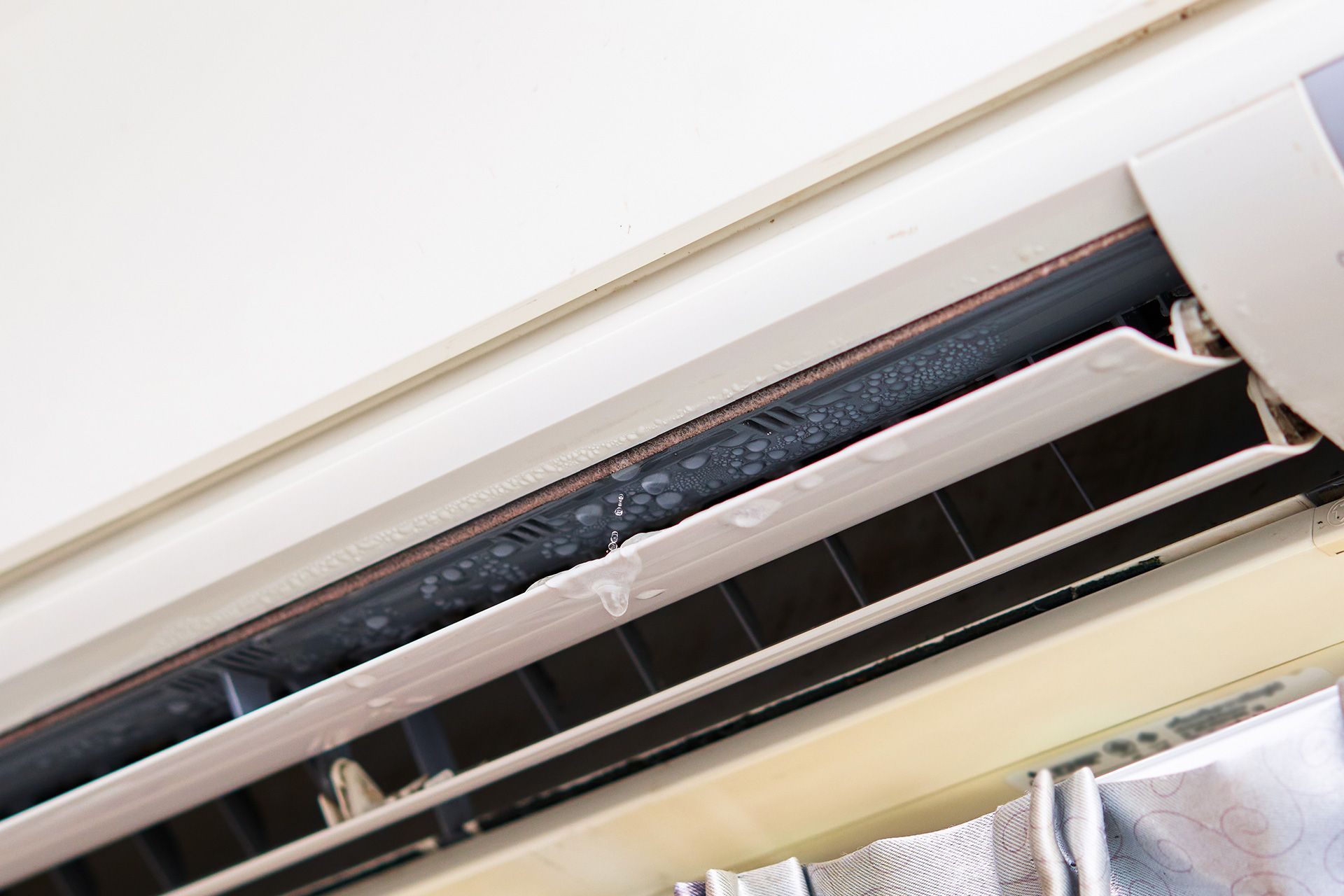
Finding water around your air conditioner can be frustrating and confusing. Many homeowners wonder if it is normal or a sign that something is wrong. In some situations, a small amount of moisture is expected. In others, water leaking may indicate a problem that needs professional attention.
Your cooling system removes heat and humidity from the air inside your home. During this process, moisture forms naturally. When the system works properly, the water drains away safely. If something blocks or damages the drainage system, you may notice puddles or leaks around the unit.
This guide explains why water forms in air conditioners, what causes leaks, and how to prevent future problems.
Does AC Use Water?
One common question homeowners ask is: Does AC use water?
Most standard central air conditioning systems do not use water to cool your home. Instead, they use refrigerant to remove heat from indoor air. As warm air passes over cold evaporator coils, moisture in the air condenses.
That condensation creates air conditioning water inside the system. Normally, the water drains through a condensate drain line and exits safely outside the home.
Another common question is whether air conditioning uses water. The answer is usually no for residential systems. However, condensation is a normal part of the cooling process.
Why Does Water Form Around an AC Unit?
Your AC system removes humidity while cooling the air. When warm air touches the cold evaporator coil, moisture forms on the coil surface. This process is similar to water droplets forming on a cold glass during summer.
The moisture collects and moves into a drain pan before leaving through the condensate line.
A little moisture around the outdoor unit can be normal. However, large puddles or indoor leaks may signal a problem.
Common Reasons for Water Around Your AC Unit
1. Clogged Condensate Drain Line
A clogged drain line is one of the most common causes of water leaks.
Over time, dirt, dust, mold, and algae can block the pipe. When this happens, water cannot drain properly and begins backing up into the system.
Signs of a clogged drain line include:
- Water pooling near the indoor unit
- Musty smells
- Water stains near the system
- AC shutting off unexpectedly
Routine maintenance can help prevent drain line blockages.
2. Dirty Air Filter
A dirty air filter restricts airflow through the system. Poor airflow can cause the evaporator coil to become too cold and freeze.
When the ice melts, excess air conditioner water may overflow the drain pan and leak around the unit.
Changing the air filter regularly helps maintain airflow and prevents moisture issues.
3. Frozen Evaporator Coil
Frozen evaporator coils can also lead to water leaks.
Several issues may cause freezing, including:
- Dirty filters
- Low refrigerant levels
- Blocked vents
- Poor airflow
Once the frozen coil melts, the amount of water can overwhelm the drainage system.
If you notice ice on the coil or refrigerant lines, turn off the system and contact an HVAC technician.
4. Damaged Drain Pan
The drain pan collects condensation from the evaporator coil. Older drain pans may crack, rust, or wear out over time.
When the pan is damaged, water leaks directly onto the floor rather than into the drain line.
This issue is more common in older AC systems.
5. Low Refrigerant Levels
Low refrigerant can lower pressure inside the AC system and cause the evaporator coil to freeze.
After the ice melts, excess water may collect around the unit. Low refrigerant can also reduce cooling performance and strain the system.
Common signs include:
- Warm air from vents
- Ice buildup
- Hissing sounds
- Reduced cooling
Only trained HVAC professionals should handle refrigerant problems.
6. Improper Installation
Incorrect installation may prevent the system from draining properly.
If the unit is not level or the drain line is installed incorrectly, condensation may collect inside the system rather than flow away.
Professional AC installation helps reduce future water and drainage problems.
Is Water Around the Outdoor Unit Normal?
Seeing water near the outdoor condenser unit is not always a cause for concern.
During humid weather, your AC removes a large amount of moisture from indoor air. Some of that moisture exits through the drainage system. Rainwater and condensation may also naturally collect around the outdoor unit.
However, standing water or constant leaking should still be inspected.
When Should You Worry About AC Water Leaks?
Some water around the system may be harmless, but these warning signs should not be ignored:
- Water is leaking inside the home
- Large puddles near the indoor unit
- Mold or mildew smells
- Weak cooling performance
- Frozen coils
- Water stains on ceilings or walls
Ignoring these issues can lead to expensive water damage and mold growth.
How to Prevent AC Water Problems
Replace Air Filters Regularly
Clean filters improve airflow and reduce the risk of frozen coils.
Most homeowners should replace filters every one to three months, depending on home conditions and system use.
Schedule Professional AC Maintenance
Routine AC maintenance helps catch small problems before they turn into major repairs.
Professional inspections usually include:
- Cleaning drain lines
- Checking refrigerant levels
- Inspecting coils
- Testing drainage systems
- Examining electrical components
Regular maintenance also improves energy efficiency and system lifespan.
Keep the Drain Line Clean
A clean drain line allows condensation to flow properly out of the system.
Algae and debris buildup can create blockages over time. Professional drain cleaning helps prevent future leaks.
Monitor Indoor Humidity
High humidity levels increase condensation production inside the system.
Proper ventilation, airflow, and AC sizing help control indoor moisture and reduce excess air conditioning water.
Can AC Water Leaks Damage Your Home?
Yes, untreated leaks can damage your home.
Water from the AC system may affect:
- Flooring
- Drywall
- Ceilings
- Wood framing
- Insulation
Moisture can also create conditions for mold growth, which may affect indoor air quality and health.
Taking quick action can help prevent larger repairs.
Why Professional Service Matters?
Some AC water problems look minor but may actually involve serious system issues. Professional HVAC technicians can identify the root cause and make safe, lasting repairs.
Professional service helps:
- Improve system performance
- Prevent future leaks
- Protect indoor air quality
- Extend equipment lifespan
- Reduce the chance of costly breakdowns
Trying to repair complex AC problems without training may cause additional damage.
Conclusion
Water around your AC unit may be normal in small amounts, but large puddles or indoor leaks usually signal a problem that should not be ignored. Issues like clogged drain lines, frozen coils, dirty filters, and damaged drain pans can all lead to excess air conditioner water around your system.
At Gleason HVAC, we help homeowners identify AC leaks, improve system performance, and prevent future cooling problems with professional HVAC service and maintenance.
Schedule a service appointment with our team today to keep your AC system running safely and efficiently.
FAQs
Does AC use water during normal operation?
No, most residential AC systems do not use water for cooling. Instead, they produce condensation while removing humidity from indoor air.
Does aircon use water like a swamp cooler?
No. Standard air conditioning systems use refrigerant and airflow to cool the home, not water, as with evaporative coolers.
Is water around the outdoor AC unit normal?
A small amount of moisture can be normal due to condensation and humidity removal. Large puddles or constant leaking may indicate a problem.
Why is my indoor AC unit leaking water?
Common causes include a clogged drain line, a frozen evaporator coil, a dirty filter, or a damaged drain pan.
Can a clogged AC drain line cause water damage?
Yes. A blocked drain line can lead to leaks, mold growth, and water damage if not repaired quickly.
Disclaimer: The information on this website and blog is for general informational purposes only and is not professional advice. We make no guarantees of accuracy or completeness. We disclaim all liability for errors, omissions, or reliance on this content. Always consult a qualified professional for specific guidance.
Recent Posts