Articles
HVAC Contractor Tips and Articles For Your Home
What are the Causes of Low Water Pressure in Your Home
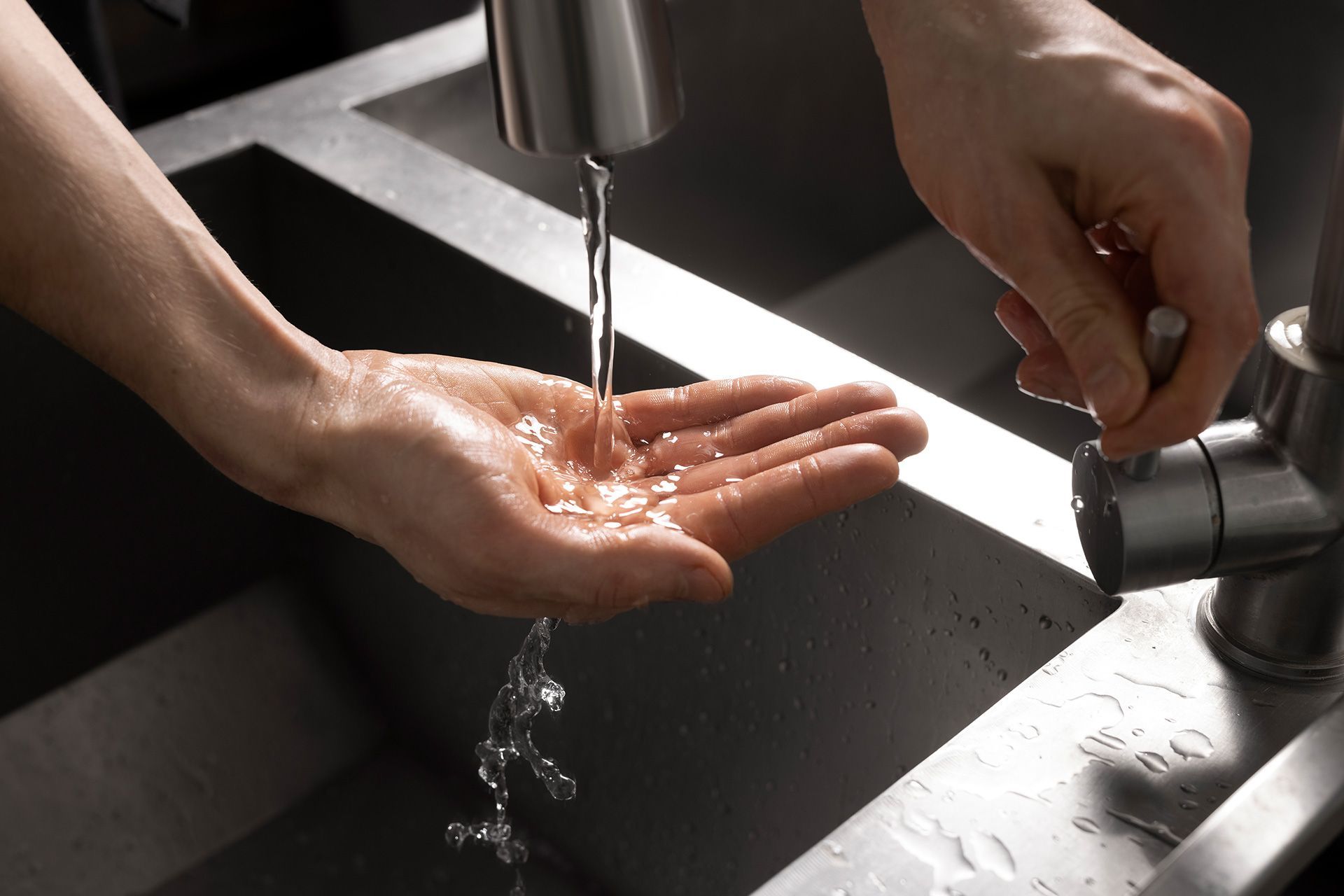
Low water pressure can turn simple daily tasks into frustrating experiences. Whether you are taking a shower, washing dishes, or doing laundry, weak water flow can waste your time and patience.
If you are asking yourself, why is my water pressure low, you are not alone. Many homeowners deal with low water pressure in house issues at some point. The good news is that most causes can be identified and fixed with the right approach.
In this guide, we will explain the most common reasons for low water pressure in home systems and what you can do about them.
What Is Considered Low Water Pressure?
Water pressure is measured in PSI (pounds per square inch). Most homes should have water pressure between 40 and 60 PSI.
If your water pressure drops below this range, you may notice:
- Weak shower flow
- Slow-filling sinks or tubs
- Appliances taking longer to run
- Inconsistent water output
Understanding the cause is the first step toward fixing the issue.
1. Problems With Your Water Supply
Before you check your plumbing, look outside your home. Sometimes the issue is not yours.
If your neighbors are also experiencing low water pressure in their house, your local water supplier may be having issues. This could be due to maintenance work, pipe repairs, or supply interruptions.
In this case, contacting your water provider is the best first step.
2. Partially Closed Main Shutoff Valve
Your home has a main shutoff valve that controls water flow. If this valve is not fully open, it can restrict water pressure.
This often happens after:
- Plumbing repairs
- Emergency shutoffs
- Maintenance work
Even a slightly closed valve can reduce pressure across your entire home.
If you are unsure, a professional from Gleason Plumbing, Heating and Air can quickly check and fix the issue.
3. Water Meter Valve Issues
Another common cause of low water pressure in home systems is the water meter valve.
This valve is usually controlled by your water company. If it is not fully open, it can limit water flow.
This often happens after:
- City repairs
- New installations
- Property maintenance
If you suspect this issue, contacting your utility provider or scheduling Gleason Plumbing, Heating and Air
is the safest option.
4. Faulty Pressure Regulator
Some homes have a pressure regulator that controls incoming water pressure.
If this device fails, it can cause:
- Sudden drops in pressure
- Inconsistent water flow
- Very low PSI readings
A faulty regulator is a technical issue that usually requires professional repair.
5. Clogged Pipes
Over time, pipes can build up debris, minerals, and sediment. This can block water flow and lead to low water pressure in house systems.
Clogs can form due to:
- Hard water minerals
- Rust buildup
- Dirt and debris
The problem is that these clogs are often hidden deep inside your plumbing system.
6. Corroded or Aging Pipes
Older homes often have outdated plumbing systems. Pipes made from materials like galvanized steel can corrode over time.
Corrosion narrows the inside of pipes, reducing water flow.
Signs include:
- Discolored water
- Reduced pressure
- Frequent leaks
If your home is older, you may need Gleason Plumbing, Heating and Air to fully solve the issue.
7. Hidden Leaks in Your Plumbing System
Leaks do not always show visible signs. Even a small leak can reduce water pressure by diverting water away from fixtures.
Common signs include:
- Damp spots on walls or floors
- Higher water bills
- Mold or mildew smells
Leaks should be addressed quickly to prevent further damage.
8. Shared Water Supply Lines
Some homes share pipelines with nearby properties. When multiple homes use water at the same time, pressure can drop.
This is common in:
- Older neighborhoods
- Duplexes or multi-family homes
If your pressure drops during peak times, this may be the reason.
While not always fixable, solutions like booster systems or scheduling usage can help.
9. Faulty Fixtures or Faucets
Sometimes the issue is not your entire system but just one fixture.
If only one sink or shower has low pressure, check:
- Faucet aerators
- Showerheads
- Valves
Mineral buildup can clog these parts and reduce flow.
Cleaning or replacing them is often a quick fix.
If multiple fixtures are affected, it may be time to consider a professional plumber.
10. City Regulations or Pressure Changes
In some cases, your city may reduce water pressure due to new regulations or system updates.
This can affect entire neighborhoods.
If this happens, installing a booster pump may help increase pressure inside your home.
How to Fix Low Water Pressure in Your Home
Fixing low water pressure in home systems depends on the root cause.
Some simple fixes include:
- Opening valves fully
- Cleaning fixtures
- Checking for visible leaks
However, more serious issues like pipe corrosion or hidden clogs require professional help.
Working with experts ensures:
- Accurate diagnosis
- Long-term solutions
- Safe repairs
When to Call a Professional Plumber
If basic fixes do not solve the issue, it is time to call a professional.
You should seek help if:
- Pressure is low throughout the house
- You suspect hidden leaks
- Pipes are old or damaged
- Water pressure suddenly drops
At Gleason Plumbing, Heating and Air trained professionals use advanced tools to identify problems quickly and fix them the right way.
Why Fixing Low Water Pressure Matters
Ignoring low pressure can lead to bigger problems.
It may cause:
- Pipe damage
- Water waste
- Appliance inefficiency
- Higher utility bills
Fixing the issue early saves time, money, and stress.
Conclusion
Low water pressure can have many causes, from simple valve issues to serious plumbing problems. Understanding why is my water pressure low is the first step toward finding the right solution.
Whether it is clogged pipes, leaks, or aging systems, addressing the issue early can prevent bigger repairs later.
If you are dealing with low water pressure in house problems, professional help can make all the difference.
At Gleason Plumbing, Heating and Air experienced technicians are ready to diagnose and fix your plumbing issues quickly and efficiently, helping restore strong and reliable water pressure in your home.
FAQs
Why is my water pressure low all of a sudden?
It could be due to leaks, valve issues, or problems with your water supplier. A sudden drop usually indicates a specific issue that needs attention.
Can clogged pipes cause low water pressure?
Yes, mineral buildup and debris inside pipes can restrict water flow and reduce pressure.
How do I fix low water pressure in my home?
Start by checking valves and fixtures. If the issue continues, contact a professional plumber for a full inspection.
Is low water pressure dangerous?
It may not be dangerous immediately, but it can indicate serious plumbing issues like leaks or corrosion.
When should I call a plumber for low water pressure?
If the issue affects your whole home or does not improve with basic fixes, it is best to call a professional.
Disclaimer: The information on this website and blog is for general informational purposes only and is not professional advice. We make no guarantees of accuracy or completeness. We disclaim all liability for errors, omissions, or reliance on this content. Always consult a qualified professional for specific guidance.
Recent Posts