Articles
HVAC Contractor Tips and Articles For Your Home
Pros and Cons of a Tankless Water Heater
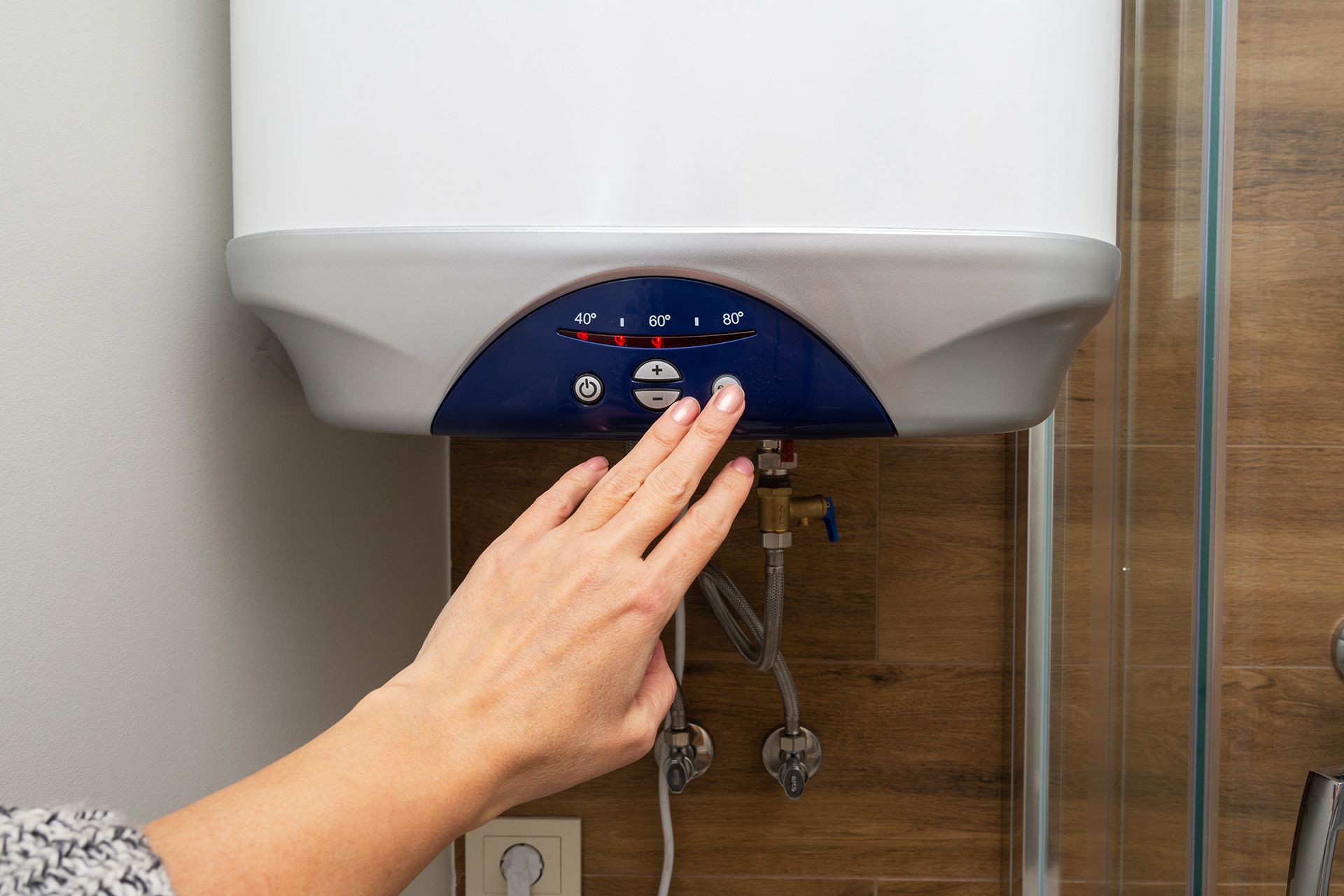
When it comes to upgrading your home’s hot water system, one of the most common questions homeowners ask is: tankless vs tank water heater, which is better? If you’ve heard about the benefits of a water heater tankless system, you’re not alone. These modern systems, also called an instant water heater, are becoming increasingly popular across Illinois, especially in energy-conscious communities like Wauconda and the Northern Chicago suburbs.
But is switching to tankless the right move for your home?
In this guide, we’ll break down everything you need to know, including what a tankless water heater is, how it compares to traditional systems, and the real pros and cons so you can make a confident decision.
What Is a Tankless Water Heater?
A tankless water heater heats water on demand rather than storing it in a tank. When you turn on a hot water tap, cold water flows through the unit and is heated instantly using gas or electricity.
Because it only heats water when needed, it’s often referred to as an instant water heater or on-demand system.
Tankless vs Tank Water Heater: The Key Difference
- Tank Water Heater: Stores and heats 40–50 gallons of water continuously
- Tankless Water Heater: Heats water only when you need it
This difference has a major impact on energy use, performance, and long-term costs.
Pros of a Tankless Water Heater
1. Endless Hot Water Supply
One of the biggest advantages is that you’ll never run out of hot water. Unlike tank systems that can empty during long showers or back-to-back usage, tankless units provide a continuous flow.
This is especially useful for:
- Larger families in Northern Chicago suburbs
- Homes with multiple bathrooms
- Long winter showers (yes, Illinois winters matter!)
2. Energy Efficiency & Lower Utility Bills
Tankless systems are significantly more energy-efficient because they don’t keep water heated 24/7.
- Up to 24%–34% more efficient for typical households
- Eliminates standby heat loss (energy wasted keeping water hot in a tank)
For homeowners in Wauconda, where winter heating costs are already high, this efficiency can translate into noticeable savings over time.
3. Longer Lifespan
Tankless water heaters typically last:
- 20+ years compared to 10–15 years for tank systems
That means fewer replacements over the lifetime of your home.
4. Space-Saving Design
Tankless units are compact and wall-mounted, freeing up valuable space in:
- Basements
- Utility closets
- Mechanical rooms
This is especially beneficial in smaller homes or finished basements common in suburban Illinois.
5. Reduced Risk of Water Damage
Traditional tanks can leak or even burst over time due to corrosion. Tankless systems eliminate this risk since there’s no large water reservoir.
6. Potential Increase in Home Value
Energy-efficient upgrades like tankless systems can make your home more appealing to buyers, especially in competitive real estate markets like the Northern Chicago suburbs.
Cons of a Tankless Water Heater
While tankless systems offer many benefits, they’re not perfect for every home.
1. Higher Upfront Cost
One of the biggest drawbacks is the initial investment.
- Higher unit cost
- More complex installation
- Possible upgrades to gas lines or electrical systems
Tankless systems can cost significantly more upfront than traditional tank heaters.
2. Limited Flow Rate for Multiple Uses
A tankless water heater can only heat a certain amount of water at once.
If you:
- Run the shower
- Start the dishwasher
- Use the washing machine
…you may notice reduced water temperature unless the system is properly sized or multiple units are installed.
3. Installation Complexity
Switching from a tank to a tankless system often requires:
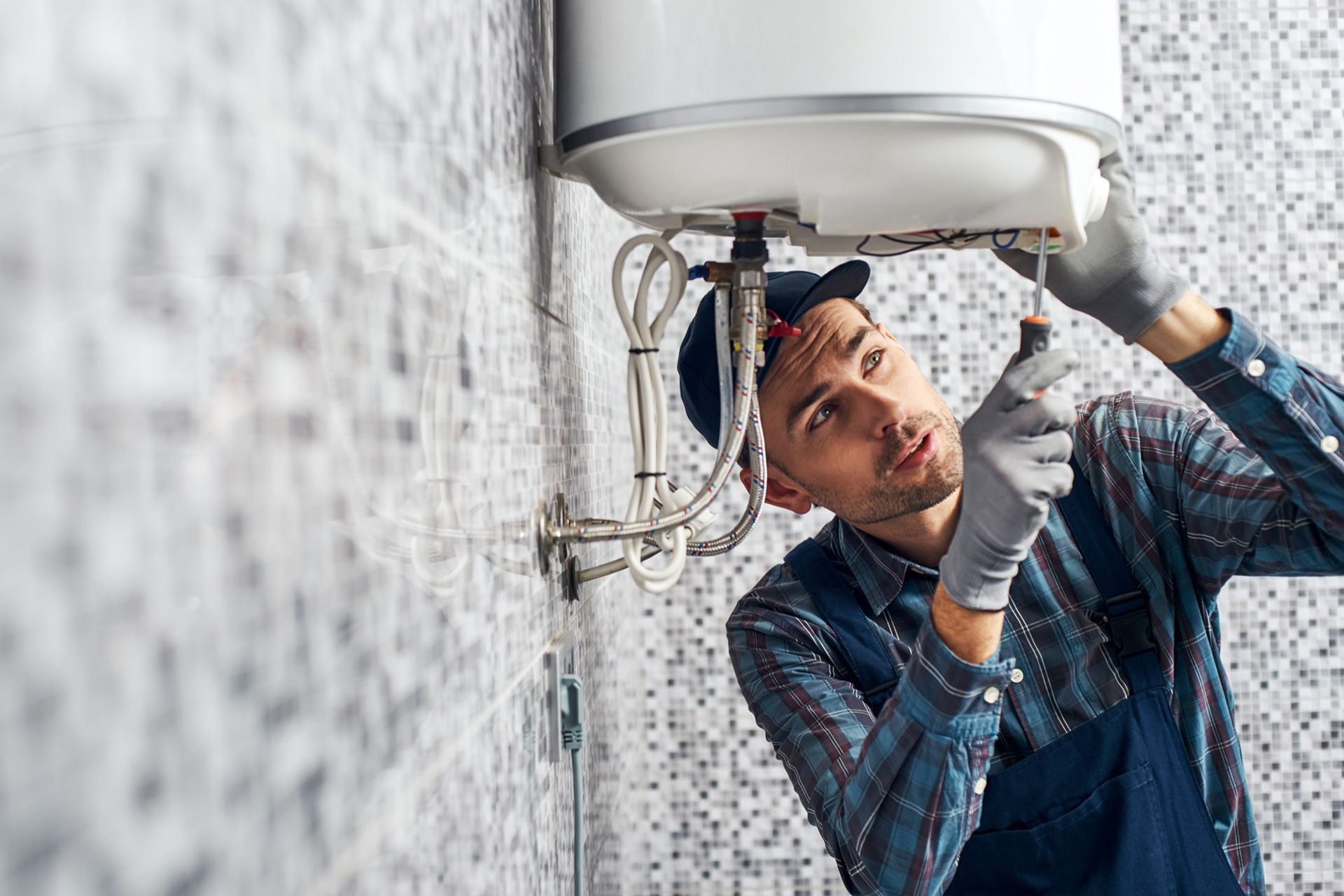
- Professional installation
- Venting upgrades (for gas units)
- Electrical or gas line modifications
This adds to both cost and installation time.
4. Cold Water Sandwich Effect
Some homeowners experience a brief burst of cold water between hot water uses. While newer systems reduce this issue, it can still happen.
5. Dependence on Electricity
Even gas-powered tankless units require electricity to operate. That means:
- No hot water during power outages
This can be a concern during Midwest storms.
6. Maintenance Requirements (Especially in Hard Water Areas)
Northern Illinois has moderately hard water, which can lead to mineral buildup. Tankless systems require:
- Annual flushing/descaling
- Routine maintenance
Without it, efficiency and lifespan may decrease.
Tankless vs Tank Water Heater: Which Is Better?
Choosing between a tankless vs tank water heater depends on your home, lifestyle, and budget.
Tankless Is Ideal If You:
- Want long-term energy savings
- Have limited space
- Need continuous hot water
- Plan to stay in your home long-term
Tank Water Heater Is Better If You:
- Need a lower upfront cost
- Have high simultaneous water demand
- Prefer simpler installation
Is a Tankless Water Heater Worth It in Wauconda?
For many homeowners in Wauconda and the Northern Chicago suburbs, the answer is yes, but with conditions.
Tankless systems work best when:
- Properly sized for your household
- Installed by experienced professionals
- Maintained regularly
Given the cold winters and energy costs in Illinois, the efficiency benefits can be especially valuable over time.
Final Thoughts
A water heater tankless system offers modern efficiency, space savings, and endless hot water, but it comes with a higher initial investment and specific installation requirements.
For homeowners in Wauconda and the Northern Chicago suburbs, the right choice depends on your home’s size, water usage, and long-term plans.
Thinking about upgrading to a tankless water heater? Contact Gleason Heating & Air Conditioning today for expert advice and professional installation you can trust.
FAQs
What is a tankless water heater?
A tankless water heater is an on-demand system that heats water instantly as it flows through the unit, rather than storing hot water in a tank.
Is a tankless water heater more energy efficient?
Yes, tankless systems can be 24%–34% more energy-efficient than traditional tank water heaters, depending on usage.
Do tankless water heaters run out of hot water?
No, they provide continuous hot water, but performance may drop if multiple fixtures are used simultaneously.
How long does a tankless water heater last?
Most tankless units last over 20 years with proper maintenance, nearly double the lifespan of traditional tanks.
Are tankless water heaters good for cold climates like Illinois?
Yes, but they must be properly sized to handle colder incoming water temperatures common in winter months.
What are the main disadvantages of tankless water heaters?
Higher upfront costs, limited flow rate for multiple uses, and installation complexity are the main drawbacks.
Disclaimer: The information on this website and blog is for general informational purposes only and is not professional advice. We make no guarantees of accuracy or completeness. We disclaim all liability for errors, omissions, or reliance on this content. Always consult a qualified professional for specific guidance.
Recent Posts