Articles
HVAC Contractor Tips and Articles For Your Home
How Dirty Air Filters Affect HVAC System Performance
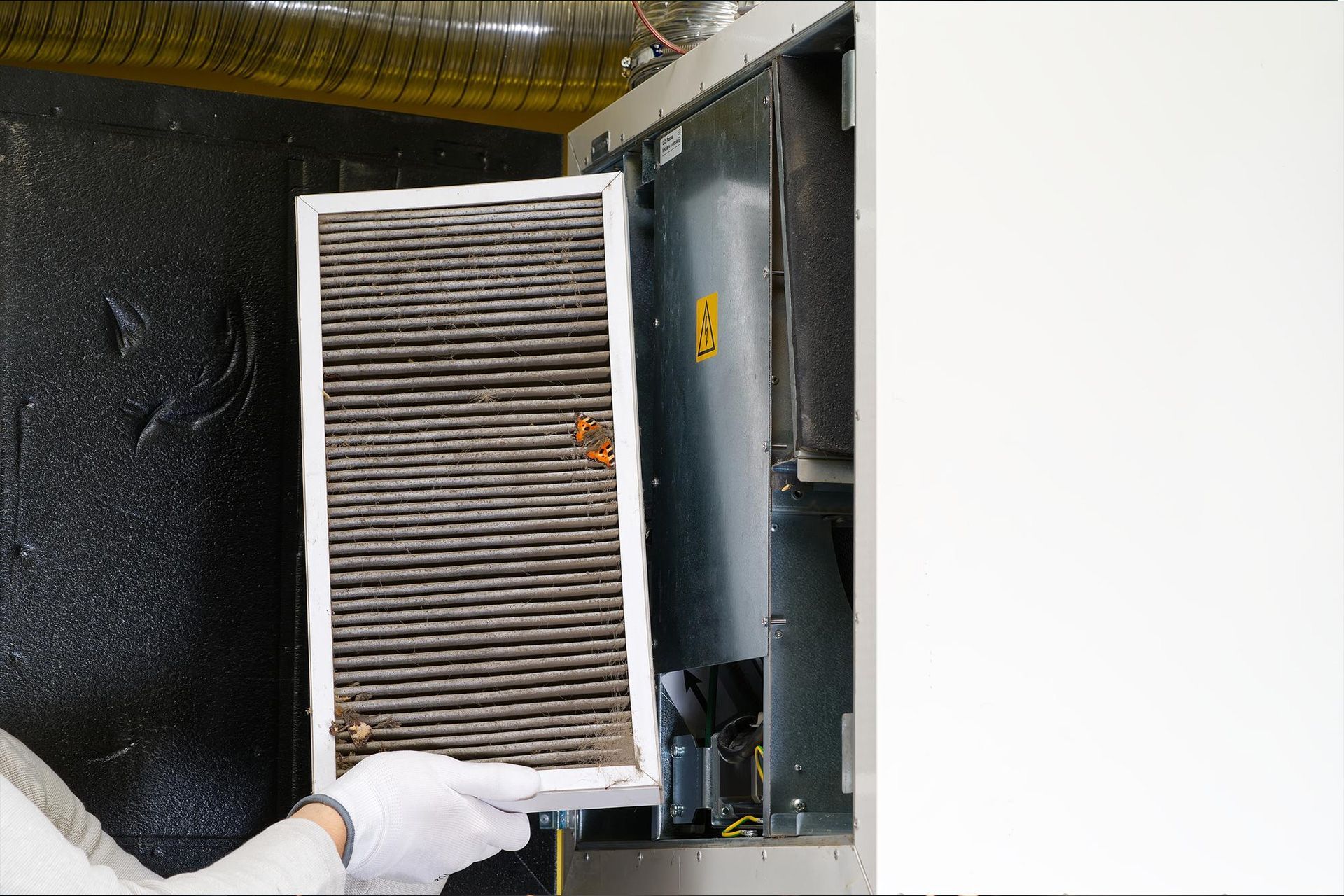
An HVAC filter looks simple, but it has an important job. As air returns to your heating or cooling system, the filter captures dust, pet hair, pollen, and other particles before they reach critical components. Over time, that material builds up, making it harder for air to pass through.
A clogged filter does more than just look dirty. It can reduce airflow, weaken cooling, increase system runtime, and place extra stress on parts that depend on steady airflow. In some cases, restricted airflow can also contribute to a frozen evaporator coil and water around the indoor unit.
Understanding what happens when a filter clogs can help you spot problems early and avoid treating a simple airflow issue as a larger system failure.
What Your HVAC Filter Actually Does
In a forced-air system, the blower pulls indoor air through return ducts and sends it across heating or cooling components. The filter sits in that air path and traps particles before the air reaches the equipment.
Filters vary by size and filtration level. The right filter must fit properly and let the equipment get the airflow it needs. As debris builds up, the open area for airflow decreases, and less air may move through the system.
Can a Dirty Filter Affect AC?
Yes. A clogged filter can affect an air conditioner because the system needs steady airflow across the evaporator coil to absorb heat from the home. When airflow drops, cooling performance can decline, and the coil may become colder than intended.
You may notice weak vent airflow, longer cooling cycles, or trouble reaching the thermostat setting. In more serious cases, the evaporator coil can freeze. Because problems with the refrigerant, blower, coil, or duct can cause similar symptoms, ongoing cooling trouble warrants proper diagnosis.
Restricted Airflow Can Make Rooms Harder to Cool
One of the first effects of a clogged filter is reduced airflow. Your system may still turn on normally, but less conditioned air reaches the rooms.
You may notice:
- Weak air from supply vents: Airflow feels softer than usual even though the blower is running.
- Longer cooling cycles: The system stays on because the home takes more time to reach the thermostat setting.
- Uneven comfort: Rooms farther from the air handler may become warmer or feel less comfortable.
Replacing a dirty AC filter may restore airflow when the filter is the main restriction. If airflow stays weak after you install the correct filter, an HVAC technician can check the blower, coil, ducts, dampers, and other possible causes.
A Clogged Filter Can Contribute to a Frozen Coil
The evaporator coil needs warm indoor air moving across it so the refrigerant can absorb heat. When airflow drops too low, the coil can get unusually cold, and normal condensation may freeze. Ice can then further restrict airflow.
Possible signs include ice near the indoor coil or refrigerant line, weak airflow, and an air conditioner that runs but doesn't cool properly.
Do not scrape ice from the coil. Turn off cooling and arrange for professional service if the system freezes repeatedly. A clogged filter is only one possible cause, and refrigerant or mechanical problems may also be involved.
Can a Dirty AC Filter Cause a Leak?
A clogged filter can indirectly lead to water around an AC system, but the filter itself usually doesn't cause a plumbing-style leak.
Here is how the connection can happen. Restricted airflow may cause the evaporator coil to freeze. When the ice melts later, the drainage system has to handle the water. If the drain pan or condensate line can't handle it, water may appear around the indoor unit.
A water problem can also come from a clogged condensate drain, cracked drain pan, improper installation, or other HVAC issues. If you see recurring water, ceiling stains, or moisture around electrical components, have the system inspected rather than assuming the filter is the only cause.
Longer Run Times Can Increase Energy Use
When airflow is restricted, the home may cool more slowly, and the system may run longer to reach the thermostat setting. Longer run times can increase energy use, although the effect varies with equipment, weather, ducts, and home conditions.
A clean, correctly selected filter supports normal airflow and works best alongside clear supply and return vents and proper HVAC Maintenance.
Extra Strain Can Affect HVAC Components
Restricted airflow can force the blower to run under poor conditions and reduce heat transfer across the indoor coil or heat exchanger. Over time, this may add unnecessary strain or make existing problems more noticeable.
Homeowners should pay attention to changes such as:
- unusual blower sounds
- repeated system cycling
- weak airflow
- poor heating or cooling
- ice formation
- new odors
These signs don't prove the filter has damaged the equipment. They do show that you should have the system checked if a fresh filter doesn't fix the problem.
Filter Condition Can Affect Indoor Air Cleanliness
The filter also helps keep particles out of HVAC equipment. However, the highest filtration rating is not automatically best for every system. Some filters create more resistance than others, so the equipment and ductwork must be compatible with the selected filter. An HVAC professional can help balance filtration needs with proper airflow.
How Often Should You Check the Filter?
No single replacement schedule fits every home. Filter type, system use, pets, construction dust, and manufacturer guidance all matter. Inspect the filter regularly and replace it when dirty. During heavy heating or cooling seasons, check it more often.
Homes with pets, remodeling dust, or heavy HVAC use may need more frequent filter checks. Never wash a disposable filter. Clean washable filters only as directed by the manufacturer, and let them dry completely before reinstalling them.
Make Sure the Replacement Filter Goes In Correctly
A replacement filter must be the correct size and installed in the right direction. Check the equipment documentation or the existing filter's dimensions. The filter should fit without large gaps.
Most filters have an airflow arrow. It generally points toward the air handler or furnace. Follow the manufacturer’s instructions when changing the filter, and ask a professional if you are unsure which type the system requires.
When a New Filter Does Not Solve the Problem
Replacing a dirty AC filter can correct a simple airflow restriction, but it cannot solve every HVAC issue.
Call for professional evaluation if you continue to notice:
- ice returning after the filter has been replaced
- water repeatedly collecting around the equipment
- very weak airflow
- unusual electrical or burning odors
- loud or unfamiliar sounds
- poor cooling even with normal airflow
An HVAC technician can determine whether the problem involves the coil, blower, refrigerant circuit, condensate drain, duct system, electrical controls, or another component.
Conclusion
A dirty AC filter can directly interfere with the airflow your heating and cooling equipment needs. When a filter becomes heavily clogged, cooling can weaken, run times can increase, indoor comfort can decline, and the evaporator coil may be more likely to freeze. In some situations, that freezing can also contribute to water around the indoor unit after the ice melts.
Checking the filter is a simple first step, but ongoing problems deserve a complete evaluation.
Gleason Heating and Air Conditioning provides HVAC maintenance and repair backed by decades of experience, factory-trained technicians, and a 100% satisfaction guarantee. Schedule HVAC service today if your system has weak airflow, repeated freezing, water issues, or trouble keeping your home comfortable.
Frequently Asked Questions
Can a clogged air filter make the AC blow warm air?
Yes. Restricted airflow can reduce heat transfer and may contribute to coil freezing. The system may then cool poorly or seem to blow warmer air. Other AC problems can cause the same symptom, so continued poor cooling should be inspected.
Should I run my HVAC system without a filter?
No. Operating the system without its required filter can allow dust and debris to reach internal components. Use the correct filter specified for the equipment.
Why does my HVAC filter get dirty so quickly?
Pets, remodeling dust, heavy system use, open windows, household activity, and filter size can all affect how quickly particles collect. A very rapid buildup may also warrant checking the return system and indoor conditions.
Can I use a higher rated filter for better air quality?
Not automatically. Higher filtration can increase airflow resistance. Choose a filter that meets the equipment manufacturer’s requirements, or ask an HVAC professional which options your system supports.
What should I do if my AC coil keeps freezing after changing the filter?
Turn off cooling and schedule professional service. Continued freezing may involve airflow restrictions, blower issues, coil condition, refrigerant issues, or another fault requiring diagnosis.
Disclaimer: The information on this website and blog is for general informational purposes only and is not professional advice. We make no guarantees of accuracy or completeness. We disclaim all liability for errors, omissions, or reliance on this content. Always consult a qualified professional for specific guidance.
Recent Posts