Articles
HVAC Contractor Tips and Articles For Your Home
Common Boiler Problems and What You Can Do About Them
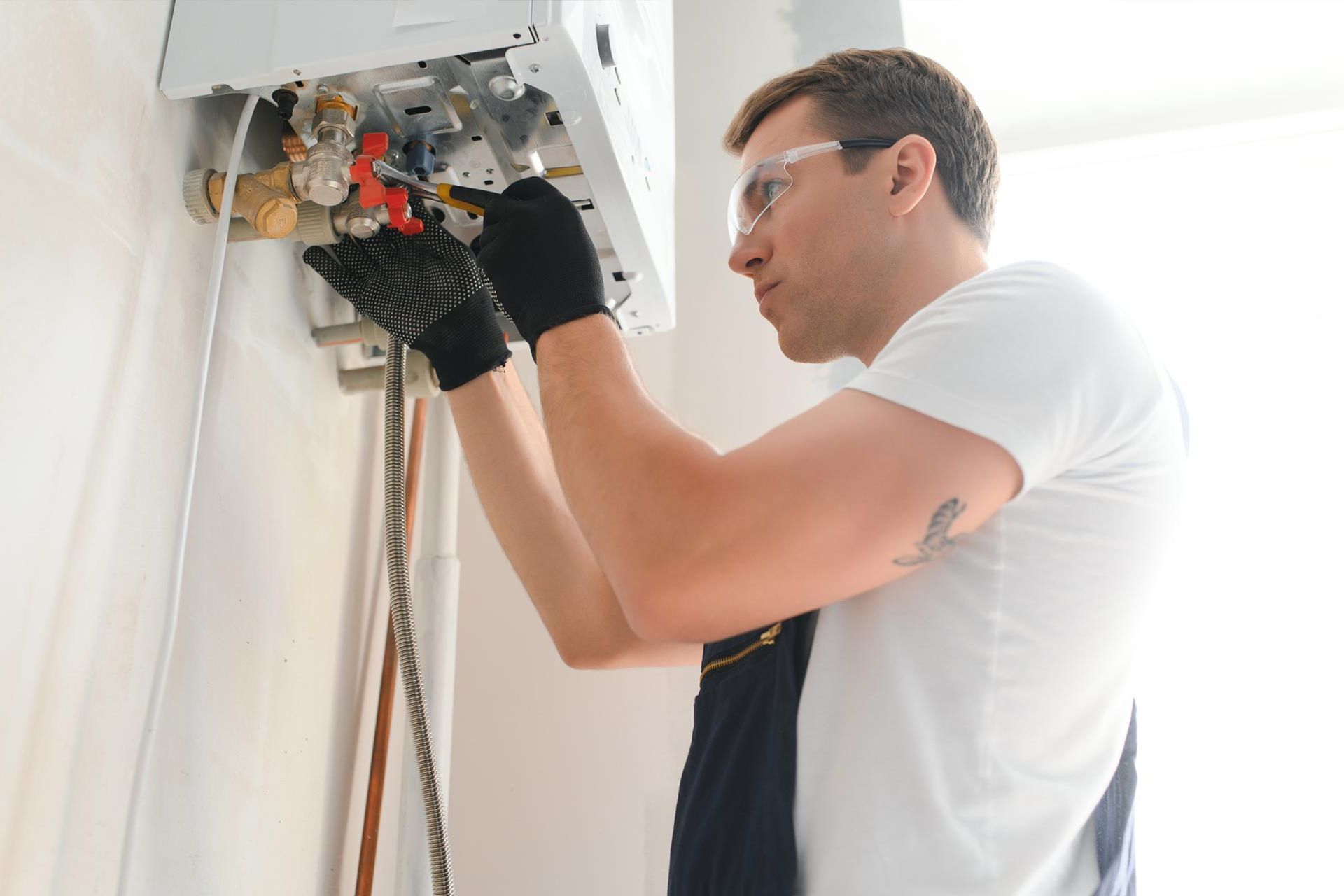
Boilers can provide reliable heat for many years, but problems can develop as parts wear or controls stop working correctly. Warning signs may include leaks, strange noises, pressure changes, or uneven heating.
Knowing common boiler problems can help you decide what is safe to check and when you need professional help. Leave gas, electrical, combustion, and internal mechanical work to a qualified HVAC technician.
1. The Pilot Light Keeps Going Out
Some older gas boilers use a standing pilot light. If it will not stay lit, drafts, dirt, a faulty thermocouple, or a gas supply issue may be involved. Many newer boilers use electronic ignition instead.
Solution: Follow the Manufacturer’s Instructions
Check that the boiler has power and follow only the reset or pilot instructions in the owner’s manual. Never adjust gas components yourself. If the pilot goes out again, schedule boiler repair so a technician can inspect the ignition and safety controls.
2. The Boiler Makes Banging, Whistling, or Gurgling Sounds
Banging or whistling can result from restricted water flow, overheating, mineral buildup, or pump trouble. Gurgling can sometimes mean air is trapped in pipes or radiators. Several boiler faults can sound similar, so noise alone does not identify the cause.
Solution: Check for Uneven Radiator Heat
If you have radiators, notice whether part of one stays cool. Follow the manufacturer’s directions if bleeding is appropriate. If the noise continues, have a technician inspect circulation, controls, pumps, and water flow.
3. The Boiler Produces Little or No Heat
A boiler may stop heating due to thermostat settings, low pressure, ignition issues, electrical problems, or poor circulation. If it also provides domestic hot water, another control may affect that function.
Solution: Start With Simple Checks
Before calling for service:
- Make sure the thermostat is set to heat and is calling for a higher temperature.
- Confirm that the boiler has electrical power.
- Check the display for an error code and read the owner’s manual.
If these checks do not restore operation, arrange boiler repair instead of repeatedly resetting the system.
4. Water Is Leaking Near the Boiler
A leak may come from a valve, fitting, pump, pipe connection, or expansion tank. Corrosion can also cause leaks in older equipment. Even a small drip can affect pressure or nearby materials.
Leaks are among the boiler problems you should not ignore.
Solution: Avoid Internal Repairs
Do not open the cabinet or work around wet electrical equipment. A technician should locate the exact source and determine which part has failed. Professional boiler repair is especially important when the leak originates inside the unit.
5. Boiler Pressure Keeps Dropping
Many closed-loop hydronic systems have a pressure gauge. Repeated pressure loss may indicate a leak, an expansion tank issue, or another system problem. The correct range depends on the equipment and installation.
Solution: Check the Manual, Not a General Number
Use the manufacturer’s recommended pressure range and look for visible leaks around accessible piping. If pressure continues to fall after an approved correction, contact a technician. Repeatedly adding water without finding the cause can hide an underlying problem.
6. One or More Radiators Stay Cold
When the boiler runs but some radiators remain cool, heat may not be circulating properly. Trapped air, closed valves, pump issues, or flow restrictions may be responsible.
This common problem may start outside the boiler itself.
Solution: Compare the Whole Heating System
Check whether one radiator, several radiators, or the entire home is affected. Make sure accessible valves are open. If manufacturer-approved bleeding does not help, a technician can evaluate the pump, valves, water flow, and system cleanliness.
7. You Smell Natural Gas Near the Boiler
Natural gas is given an odor often described as rotten eggs. If you notice it, treat it as a possible gas leak. This is an emergency, not a routine boiler fault.
Solution: Leave Immediately and Call for Help
If you suspect a gas leak:
- Leave the building and keep others away.
- Do not use switches, phones, flames, vehicles, or anything that could create a spark nearby.
- Once you are at a safe distance, call 911 and your gas utility.
Do not return until emergency personnel say the property is safe.
8. The Boiler Does Not Respond to the Thermostat
The boiler may be functional, but the thermostat may not send the correct signal. Dead batteries, incorrect settings, lost wireless communication, damaged wiring, or a failed thermostat can prevent normal heating.
Solution: Check Thermostat Settings and Power
Confirm that the thermostat is set to heat and that the selected temperature is above room temperature. Replace batteries if needed. If the boiler still does not respond, a technician can test the thermostat, wiring, controls, and heating equipment.
9. The Condensate Drain Freezes or Becomes Blocked
High-efficiency condensing boilers produce condensate that must be drained away. Exposed piping can freeze in very cold weather, while dirt or drainage issues can also block the line. Some boilers shut down and show a fault code.
Solution: Avoid Flames and Extreme Heat
Check the owner’s manual to see whether the code relates to condensate drainage. Never use an open flame or extreme heat on the pipe. If you cannot safely identify the blockage, call an HVAC professional to inspect the drain and correct the cause.
10. The Boiler Turns On and Off Too Often
Frequent starting and stopping, called short cycling, can reduce steady heating and increase wear. Causes may include thermostat problems, pressure issues, poor circulation, or equipment sizing.
Because several boiler faults can cause the same pattern, guessing often leads to the wrong fix.
Solution: Note the Pattern Before Service
Record how long the boiler runs, whether the thermostat reaches its setting, and which areas stay cold. If basic thermostat checks don't help, a boiler repair can identify the underlying cause and prevent continued cycling.
How Can You Reduce Future Boiler Problems?
Regular attention cannot prevent every failure, but it can help you notice trouble earlier.
- Watch for changes: New sounds, leaks, odors, pressure changes, or uneven heat are worth investigating.
- Keep the boiler area clear: Do not block ventilation openings or service access.
- Follow maintenance guidance: Have the system serviced according to the manufacturer’s recommendations so important operating and safety parts can be checked.
Addressing boiler problems early can reduce the chance of losing heat during severe winter weather.
Conclusion
Common boiler problems include ignition issues, unusual noises, pressure loss, water leaks, thermostat failure, cold radiators, condensate blockages, and frequent cycling. Some basic checks are safe to perform, but gas components, internal wiring, combustion equipment, and complex mechanical issues require professional service.
Gleason HVAC provides boiler maintenance, replacement, and boiler repair for homeowners in Wauconda and surrounding northern Illinois communities. Our team can inspect your heating system, identify the cause, and explain the appropriate next step.
Schedule boiler service today if your system is leaking, making unusual noises, losing pressure, or struggling to heat your home.
Frequently Asked Questions
Can a Boiler Problem Go Away on Its Own?
A symptom may temporarily disappear, but the cause may still be present. Repeated leaks, pressure changes, shutdowns, or strange noises should be inspected rather than ignored.
Why Does Boiler Pressure Change?
Some pressure change is normal as a hydronic system heats and cools. Large or repeated changes may indicate a leak, an expansion tank problem, or another component issue. Follow the manufacturer’s recommended range.
Is It Safe to Use a Noisy Boiler?
Not always. A new banging, whistling, or grinding sound should be investigated. Stop using the system and seek professional help if you notice noise, a leak, a gas odor, a burning smell, or any other safety concern.
How Do I Know if My Boiler Needs Repair or Replacement?
Consider the boiler’s age, condition, repair history, efficiency, and type of failure. A technician can determine whether replacing one part is reasonable or whether the overall system is becoming unreliable.
How Often Should a Boiler Receive Professional Maintenance?
Follow the maintenance schedule provided by the boiler manufacturer. Many homeowners arrange professional service before the heating season so operating and safety components can be checked before heavy winter use.
Disclaimer: The information on this website and blog is for general informational purposes only and is not professional advice. We make no guarantees of accuracy or completeness. We disclaim all liability for errors, omissions, or reliance on this content. Always consult a qualified professional for specific guidance.
Recent Posts