Articles
HVAC Contractor Tips and Articles For Your Home
How to Improve HVAC Energy Efficiency and Lower Your Energy Bills
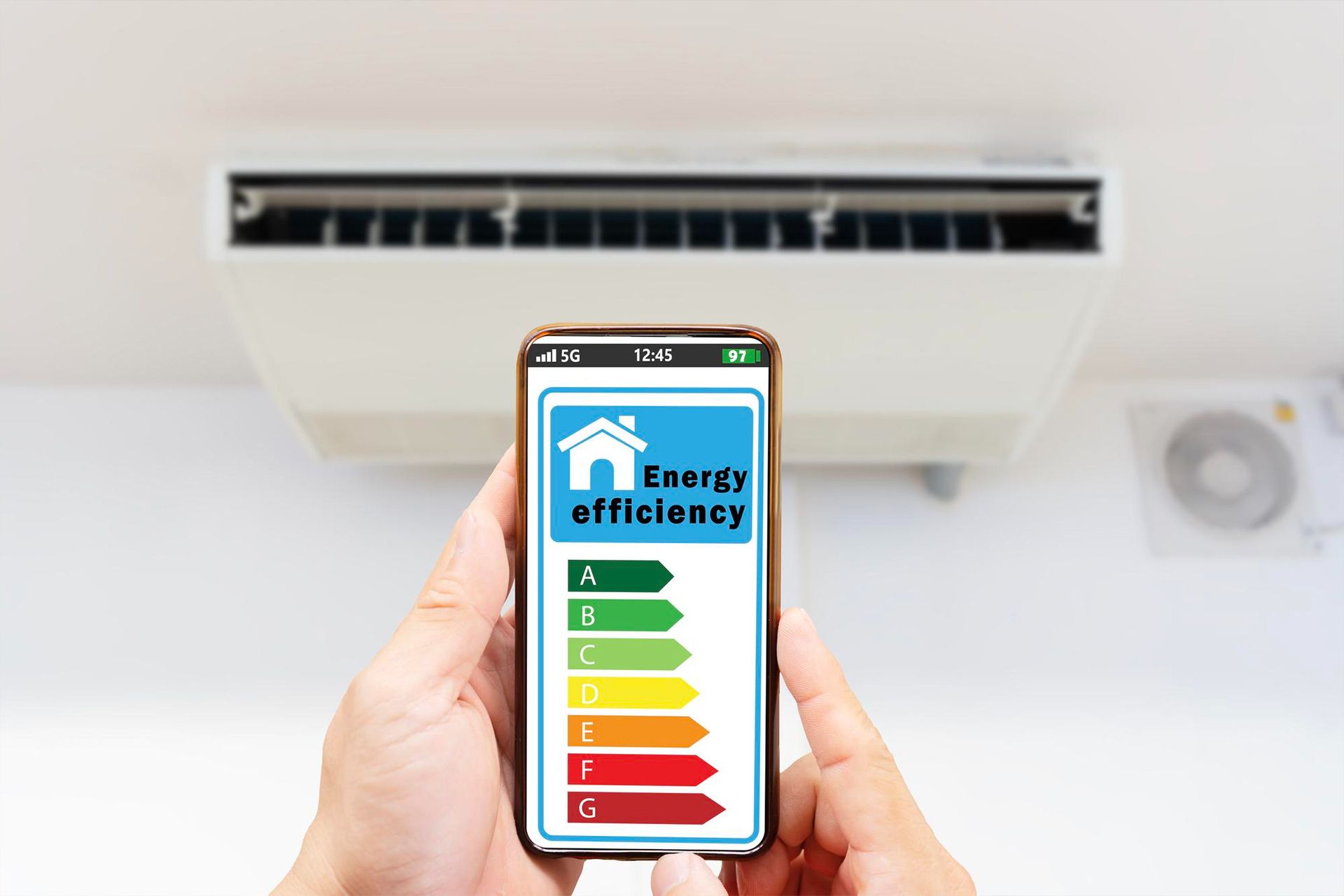
Heating and cooling account for a large share of household energy use, so small efficiency problems can quickly show up on utility bills. A system may still heat or cool the home while wasting energy due to poor airflow, thermostat habits, duct leaks, dirty components, or heat entering or leaving the home too easily.
Improving efficiency does not always require a new system. Many homeowners can reduce waste by improving airflow, controlling run time, sealing air leaks, and keeping equipment in good condition. When replacement becomes necessary, properly sized energy-efficient HVAC systems can provide another opportunity to reduce energy use.
This guide explains practical ways to improve HVAC performance while keeping your home comfortable.
What HVAC Energy Efficiency Really Means
HVAC efficiency is the ability of heating and cooling equipment to maintain comfortable indoor conditions while using as little energy as practical. Real performance depends on more than the unit's efficiency rating. Thermostat settings, ductwork, insulation, filters, installation, and equipment condition all matter.
That is why HVAC energy conservation should be treated as a whole-home effort. Even high-efficiency equipment can waste energy if conditioned air escapes through ducts or the home gains and loses heat too easily.
1. Match Thermostat Settings to Your Routine
Your thermostat controls how long the system operates. Keeping the same setting while the home is empty can waste energy.
A programmable or smart thermostat can adjust temperatures around work hours, sleep, vacations, and normal arrival times. Avoid extreme temperature changes, as most standard systems do not heat or cool faster just because you choose a much higher or lower setting.
2. Protect Airflow Through the House
Restricted airflow makes it harder for an HVAC system to move conditioned air. Start with the air filter. Check it regularly and replace or clean it according to the filter and equipment manufacturer's guidance.
Also make sure furniture, curtains, rugs, and storage items do not cover supply registers or return vents. Closing several vents in unused rooms is usually not an effective way to save energy with a standard forced-air system because it can affect system pressure.
Good airflow supports comfort and helps the equipment operate closer to its intended performance.
3. Find Where Conditioned Air Is Being Lost
Ducts carry heated and cooled air to different rooms. When ducts leak in attics, garages, crawl spaces, or other unconditioned areas, part of that energy can be lost before it reaches the living space.
Weak airflow, difficult rooms, and visible loose duct connections may indicate a problem. A professional can inspect accessible ductwork and determine where sealing or insulation is appropriate.
Duct improvement is an important part of HVAC energy conservation because it helps deliver more of the heating or cooling your system has already produced.
4. Reduce the Work Your HVAC System Has to Do
Your equipment works harder when the house loses heat quickly in winter or gains too much heat in summer.
Check for drafts around doors, windows, attic access points, and utility openings. Appropriate weatherstripping and sealing can reduce unwanted air movement. Attic insulation can also reduce heat transfer between living areas and the outdoors.
Window coverings can help manage solar heat during hot periods and provide another barrier near cold glass during winter. These steps do not change the HVAC unit itself, but they can reduce how often it needs to run.
5. Keep the Outdoor Unit Clear
Air conditioners and heat pumps need clear airflow around the outdoor equipment. Leaves, grass clippings, weeds, and stored items can accumulate around the unit, impeding heat transfer.
Keep the area clear according to the manufacturer's recommended spacing. Do not crowd the unit with shrubs, decorative panels, or covers while it is operating. Good outdoor airflow supports more effective cooling and reduces unnecessary strain.
6. Use Professional Service to Find Hidden Waste
Some efficiency problems develop within the system that homeowners cannot see. Dirty coils, control issues, blower problems, electrical wear, and refrigerant-related concerns can affect performance.
Depending on the system, a technician may check:
- Airflow and heat transfer: Filters, blowers, coils, and other components can be reviewed for conditions that limit normal operation.
- Controls and electrical parts: Thermostat response, connections, and operating controls can be checked for abnormal behavior.
- Drainage and visible wear: Cooling systems can be checked for condensate issues and other signs that need attention.
HVAC maintenance cannot guarantee lower bills, but it can help uncover problems that might otherwise continue to waste energy.
7. Manage Humidity and Air Movement for Better Comfort
Temperature is only one part of comfort. High humidity can make warm weather feel hotter, which may lead homeowners to lower the thermostat more than necessary.
Ceiling fans can also make occupied rooms feel more comfortable by moving air across the skin. Turn them off when the room is empty because fans cool people, not the room itself.
8. Watch Energy Use for Changes
Instead of judging efficiency by a single bill, compare energy use with similar months in previous years, accounting for weather, occupancy, and utility rate changes.
Pay attention to patterns such as:
- Longer operating cycles: The system runs much longer than it used to under similar weather.
- Uneven comfort: Some rooms remain hot or cold even though the equipment runs frequently.
- Repeated thermostat changes: Normal settings no longer produce the comfort you expect.
These patterns do not prove that the HVAC equipment is failing, but they provide a technician with useful information and may point to duct, insulation, control, or equipment issues.
9. Know When an Equipment Upgrade Makes Sense
Age alone does not mean an HVAC system should be replaced. Consider overall condition, repair history, comfort, energy use, and whether the equipment can still meet the home's needs.
When replacement is appropriate, compare efficiency ratings and system features carefully. Air conditioners and heat pumps are rated using measures such as SEER2, while furnaces are commonly rated using AFUE. Higher ratings can indicate more efficient equipment within the relevant category, but sizing and installation remain essential.
Modern energy-efficient HVAC systems may also offer staged or variable operation that adjusts output to demand. A qualified contractor can help determine whether those features make sense for your home rather than choosing equipment based only on a rating.
A Simple HVAC Efficiency Checklist
You do not need to make every improvement at once. Start with simple areas that affect daily operation:
- Check the filter and keep supply and return vents clear.
- Review thermostat schedules for unnecessary heating or cooling.
- Look for obvious drafts and areas with weak airflow.
- Keep outdoor equipment free of leaves and vegetation.
- Compare energy use over time and note unexplained changes.
- Request professional service when comfort or performance changes.
Which Efficiency Improvement Should Come First?
Begin with simple problems that can affect the entire system, such as a dirty filter, a blocked return, a poor thermostat schedule, or an obvious air leak.
Next, consider the house itself. Poor insulation or leaking ducts can cause high energy use even when the HVAC unit is working properly.
Finally, review equipment condition. Frequent repairs or poor comfort may justify professional evaluation.
Conclusion
Lower heating and cooling bills usually come from several improvements working together. Better thermostat habits, unrestricted airflow, tighter ducts, good insulation, humidity control, clear outdoor equipment, and professional service can all help reduce unnecessary system run time.
When older equipment no longer meets the home's needs, properly selected energy-efficient HVAC systems can become part of a larger efficiency plan.
Gleason Heating and Air Conditioning helps homeowners maintain, repair, and evaluate heating and cooling equipment, and explains practical options for improving comfort and performance. Schedule an HVAC service appointment today to identify opportunities to improve your home's heating and cooling efficiency.
Frequently Asked Questions
Can a Dirty Air Filter Raise Energy Use?
Yes. A dirty filter can restrict airflow and make it harder for the system to move air correctly. Follow the filter and equipment manufacturer's replacement instructions.
Do Smart Thermostats Automatically Lower Energy Bills?
Not always. Their value depends on how they are programmed and how the household uses them. They can help reduce unnecessary run time by matching settings to occupancy and daily schedules.
Do Duct Leaks Affect HVAC Efficiency?
Yes. Leaking ducts can allow conditioned air to escape before it reaches the rooms in your home, especially when ducts run through unconditioned spaces.
Is Higher Efficiency Equipment Always the Best Choice?
Not by itself. Efficiency ratings matter, but proper sizing, installation, duct condition, climate, and the home's heating and cooling needs also affect performance.
What Is the Easiest Place to Start?
Check the air filter, thermostat schedule, vents, and obvious drafts first. If energy use remains unusually high or comfort has changed, professional evaluation can help find the cause.
Disclaimer: The information on this website and blog is for general informational purposes only and is not professional advice. We make no guarantees of accuracy or completeness. We disclaim all liability for errors, omissions, or reliance on this content. Always consult a qualified professional for specific guidance.
Recent Posts