Articles
HVAC Contractor Tips and Articles For Your Home
All You Need To Know About Parts of an Air Conditioner
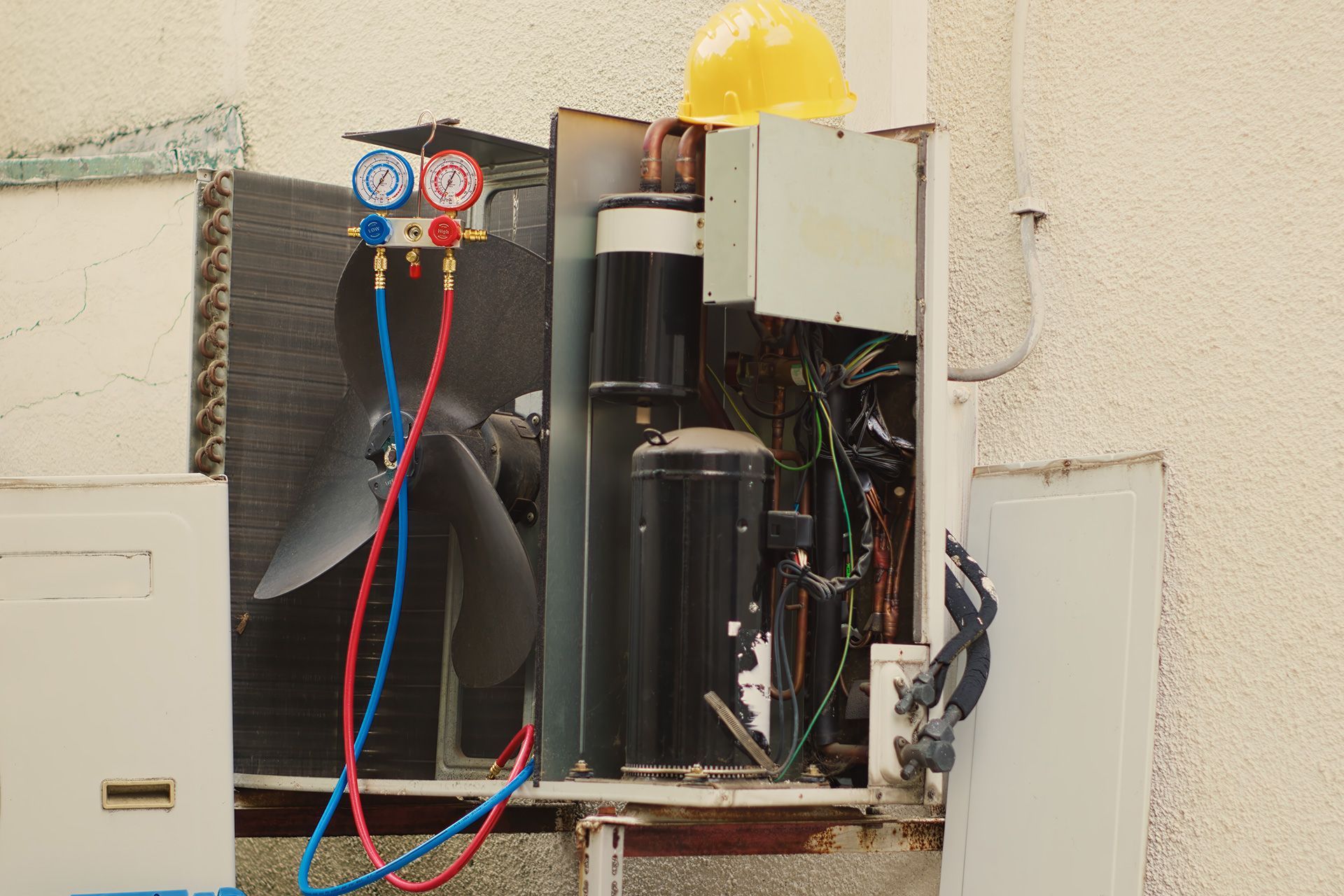
Air conditioners are a big part of modern comfort. Whether you live in a hot climate or deal with humid summers, your AC system works hard to keep your home cool and safe. But most people don’t really understand how it works, or what’s inside it.
This guide breaks down the parts of an air conditioner in simple terms. You’ll learn what each component does, how they work together, and why they matter. This will help you take better care of your system, spot problems early, and make smarter decisions about maintenance.
Why It’s Important to Understand Air Conditioner Parts
Knowing the air conditioner parts is more than just technical knowledge. It helps you:
- Identify issues faster
- Communicate better with HVAC professionals
- Prevent costly repairs
- Extend the life of your system
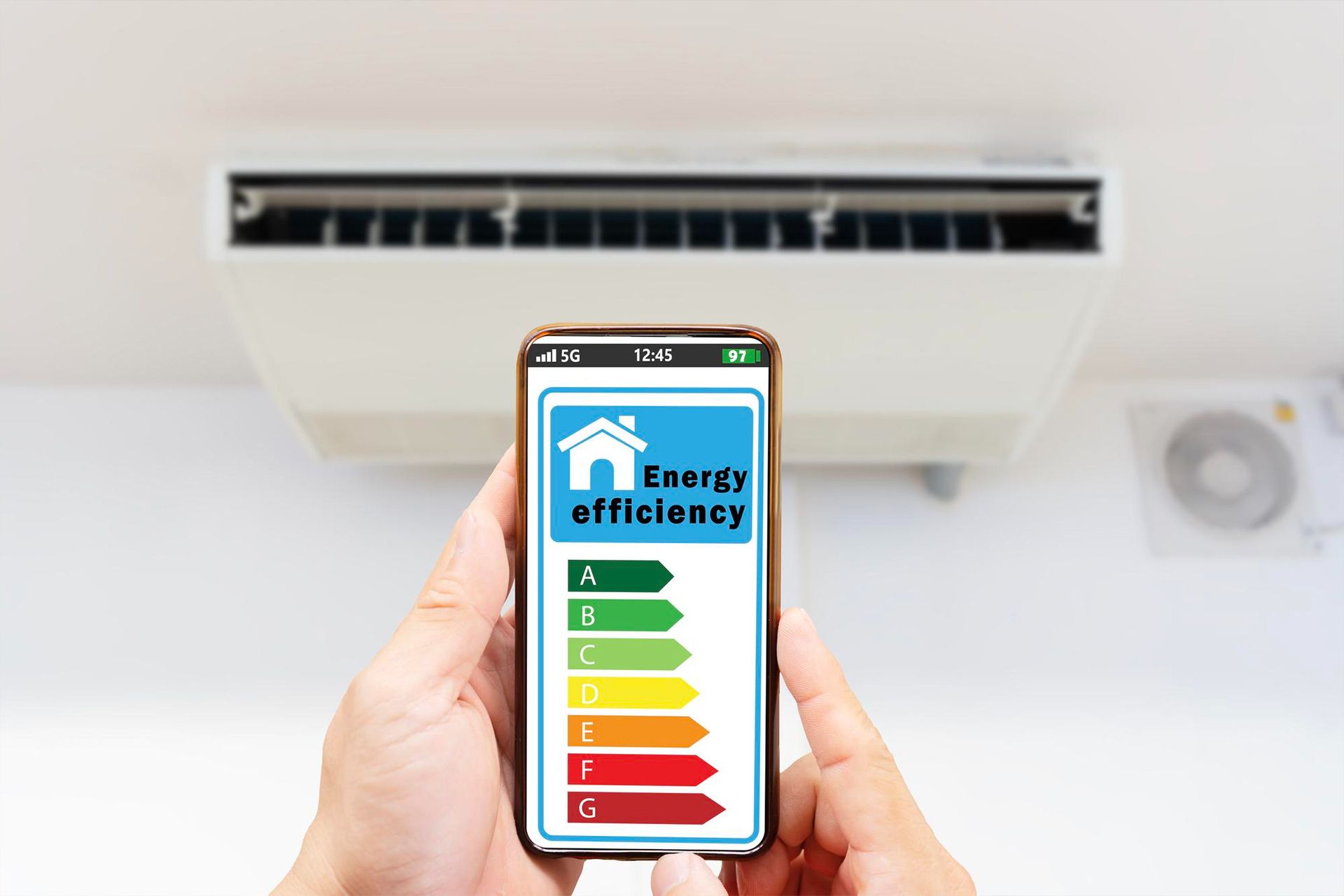
- Improve energy efficiency
Even a basic understanding of the parts of air conditioning system can save you time and stress.
How an Air Conditioner Works (Simple Explanation)
Before we dive into each component, let’s look at the big picture.
An air conditioner removes heat from inside your home and moves it outside. It does this using a special fluid called refrigerant. The system cycles this refrigerant through different AC components, changing its pressure and temperature to cool the air.
In short:
- Warm air is pulled in
- Heat is removed
- Cool air is pushed back inside
Now, let’s break down the main parts that make this process possible.
Main Parts of an Air Conditioner
1. Compressor
The compressor is often called the “heart” of the system.
What it does:
- Compresses the refrigerant gas
- Increases its pressure and temperature
- Moves refrigerant through the system
Why it matters:
Without the compressor, the entire cooling process stops. It keeps everything moving and working together.
2. Condenser Coil
The condenser coil is located in the outdoor unit.
What it does:
- Releases heat from the refrigerant into the outside air
- Turns hot gas into liquid
Why it matters:
This is where the heat leaves your home. If the coil is dirty or blocked, your AC won’t cool properly.
3. Evaporator Coil
The evaporator coil is inside your home, usually near the air handler.
What it does:
- Absorbs heat from indoor air
- Turns liquid refrigerant into gas
Why it matters:
This is the part that actually cools your air. If it freezes or gets dirty, airflow and cooling drop quickly.
4. Expansion Valve
This small but important part controls how refrigerant flows into the evaporator coil.
What it does:
- Reduces refrigerant pressure
- Controls cooling levels
Why it matters:
It ensures the system runs efficiently. Too much or too little refrigerant can cause problems.
5. Refrigerant
Refrigerant is not a mechanical part, but it’s essential.
What it does:
- Transfers heat from inside to outside
- Changes between liquid and gas states
Why it matters:
Without refrigerant, there is no cooling. Low levels often mean there is a leak.
Airflow and Support Components
These AC components help move air and keep the system running smoothly.
6. Air Handler / Blower Fan
This part circulates air throughout your home.
What it does:
- Pulls warm air in
- Pushes cooled air back out
Why it matters:
Good airflow is key to even cooling. A weak blower can make rooms feel uneven.
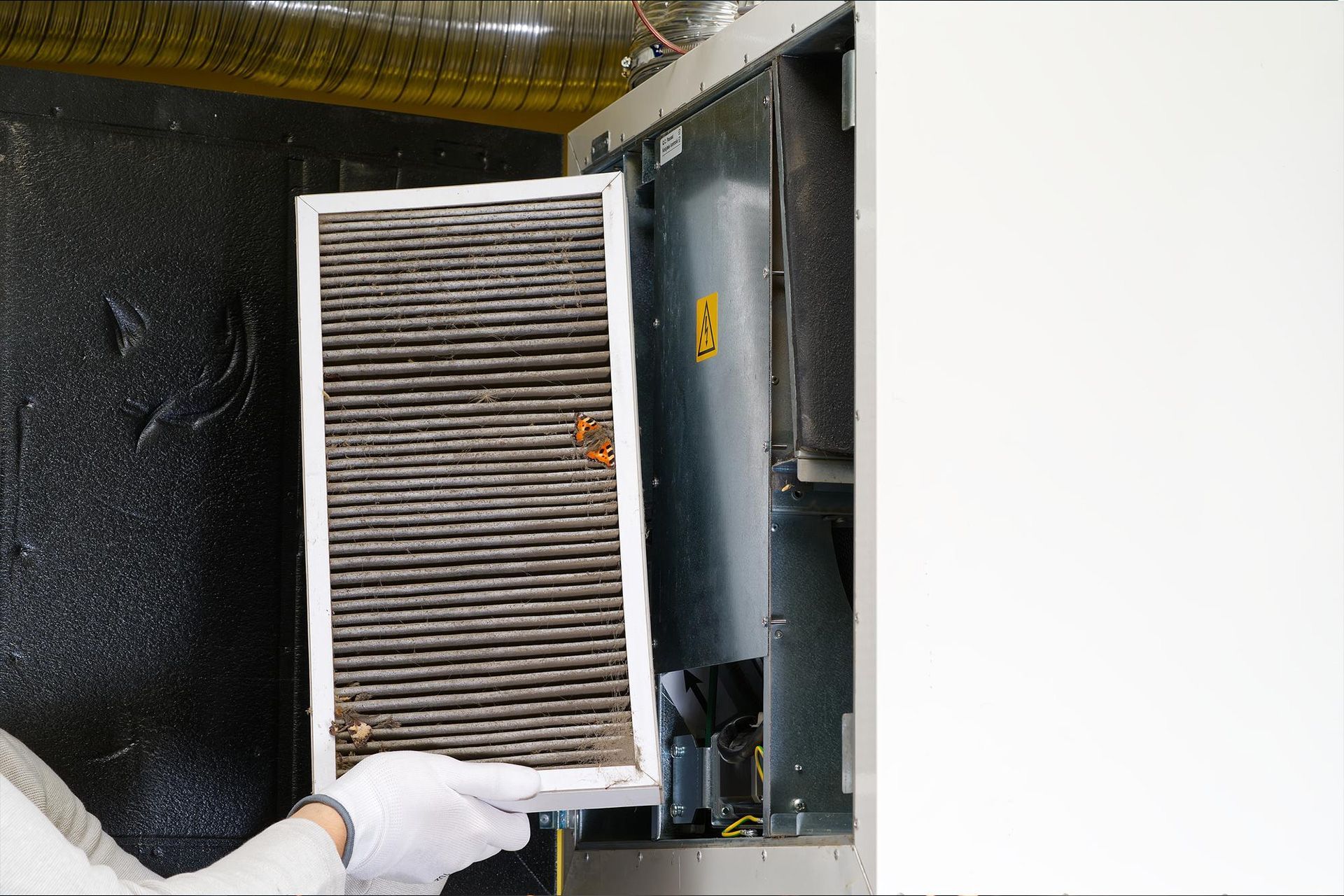
7. Air Filter
The air filter is one of the simplest but most important air conditioner parts.
What it does:
- Traps dust, dirt, and allergens
- Keeps air clean
Why it matters:
A dirty filter blocks airflow and reduces efficiency. It can also damage other components over time.
8. Thermostat
The thermostat controls the entire system.
What it does:
- Lets you set the desired temperature
- Signals the AC to turn on or off
Why it matters:
A faulty thermostat can lead to incorrect cooling or wasted energy.
9. Ductwork
Ducts carry air throughout your home.
What it does:
- Distributes cooled air to different rooms
- Returns warm air back to the system
Why it matters:
Leaks or blockages in ducts reduce efficiency and comfort.
10. Drain Line
Air conditioners remove moisture as they cool.
What it does:
- Drains condensation away from the system
Why it matters:
A clogged drain line can cause water damage and mold growth.
Outdoor Unit vs Indoor Unit
To better understand the parts of an air conditioning system, it helps to divide them into two sections:
Outdoor Unit:
- Compressor
- Condenser coil
- Fan
Indoor Unit:
- Evaporator coil
- Air handler
- Air filter
- Thermostat
These units work together as one system.
How All AC Components Work Together
Here’s a simple step-by-step process:
- The thermostat signals the system to cool
- Warm air is pulled into the air handler
- The evaporator coil absorbs heat
- Refrigerant carries heat to the compressor
- The compressor increases pressure
- Heat is released through the condenser coil
- Cool air is sent back into your home
This cycle repeats until your home reaches the desired temperature.
Common Problems with Air Conditioner Parts
Understanding the air conditioner parts helps you spot issues early. Here are some common problems:
- Dirty air filter: Reduced airflow and efficiency
- Refrigerant leak: Weak cooling performance
- Frozen evaporator coil: Poor airflow and ice buildup
- Faulty compressor: Complete system failure
- Clogged drain line: Water leaks and damage
Regular maintenance can prevent most of these issues.
Tips to Keep Your AC Components in Good Shape
Taking care of your system doesn’t have to be hard. Follow these simple tips:
- Change your air filter every 1–3 months
- Keep the outdoor unit clean and clear
- Schedule yearly professional maintenance
- Check thermostat settings regularly
- Watch for unusual noises or smells
These small steps can extend the life of your system and keep it running efficiently.
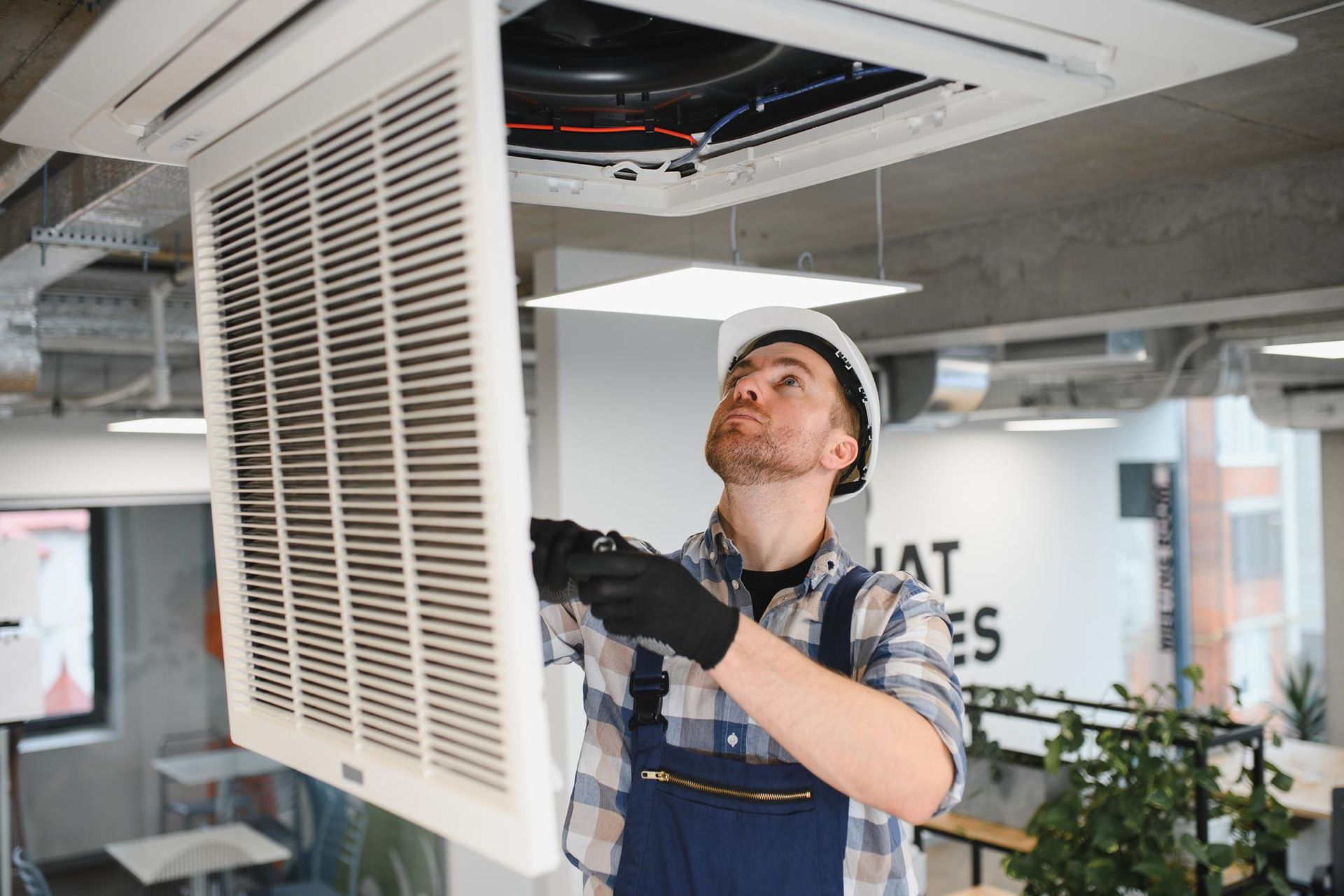
When to Call a Professional
Some issues require expert help. Call a technician if you notice:
- No cooling at all
- Strange noises or vibrations
- Water leaks around the unit
- Sudden increase in energy bills
- Frequent cycling on and off
Trying to fix complex AC components yourself can lead to bigger problems.
Final Thoughts
Understanding the parts of an air conditioner gives you more control over your home comfort. From the compressor to the air filter, each part plays a key role in keeping your space cool and healthy.
When you know how the parts of air conditioning system work together, you can:
- Maintain your system better
- Avoid costly repairs
- Improve energy efficiency
- Stay comfortable year-round
A little knowledge goes a long way when it comes to your AC system.
Need help with your AC system? Contact the experts at
Gleason Heating & Air Conditioning to keep your cooling system running at its best.
FAQs About Air Conditioner Parts
What are the main parts of an air conditioner?
The main parts include the compressor, condenser coil, evaporator coil, expansion valve, refrigerant, air handler, and thermostat.
Which AC component is most important?
The compressor is often considered the most important because it keeps the refrigerant moving through the system.
How often should I replace my air filter?
You should replace your air filter every 1 to 3 months, depending on usage and indoor air quality.
What happens if the evaporator coil gets dirty?
A dirty evaporator coil reduces cooling efficiency and can cause the system to freeze or stop working properly.
How do I know if my refrigerant is low?
Signs include weak cooling, longer run times, and ice forming on the coils.
Can I run my AC with a broken component?
It’s not recommended. Running your system with faulty parts can cause more damage and higher repair costs.
What is the lifespan of most air conditioner parts?
Most air conditioner parts can last 10–15 years with proper maintenance, though some components may need replacement sooner.
Disclaimer: The information on this website and blog is for general informational purposes only and is not professional advice. We make no guarantees of accuracy or completeness. We disclaim all liability for errors, omissions, or reliance on this content. Always consult a qualified professional for specific guidance.
Recent Posts