Articles
HVAC Contractor Tips and Articles For Your Home
Air Conditioning Replacement or Repair: What’s Best for You?
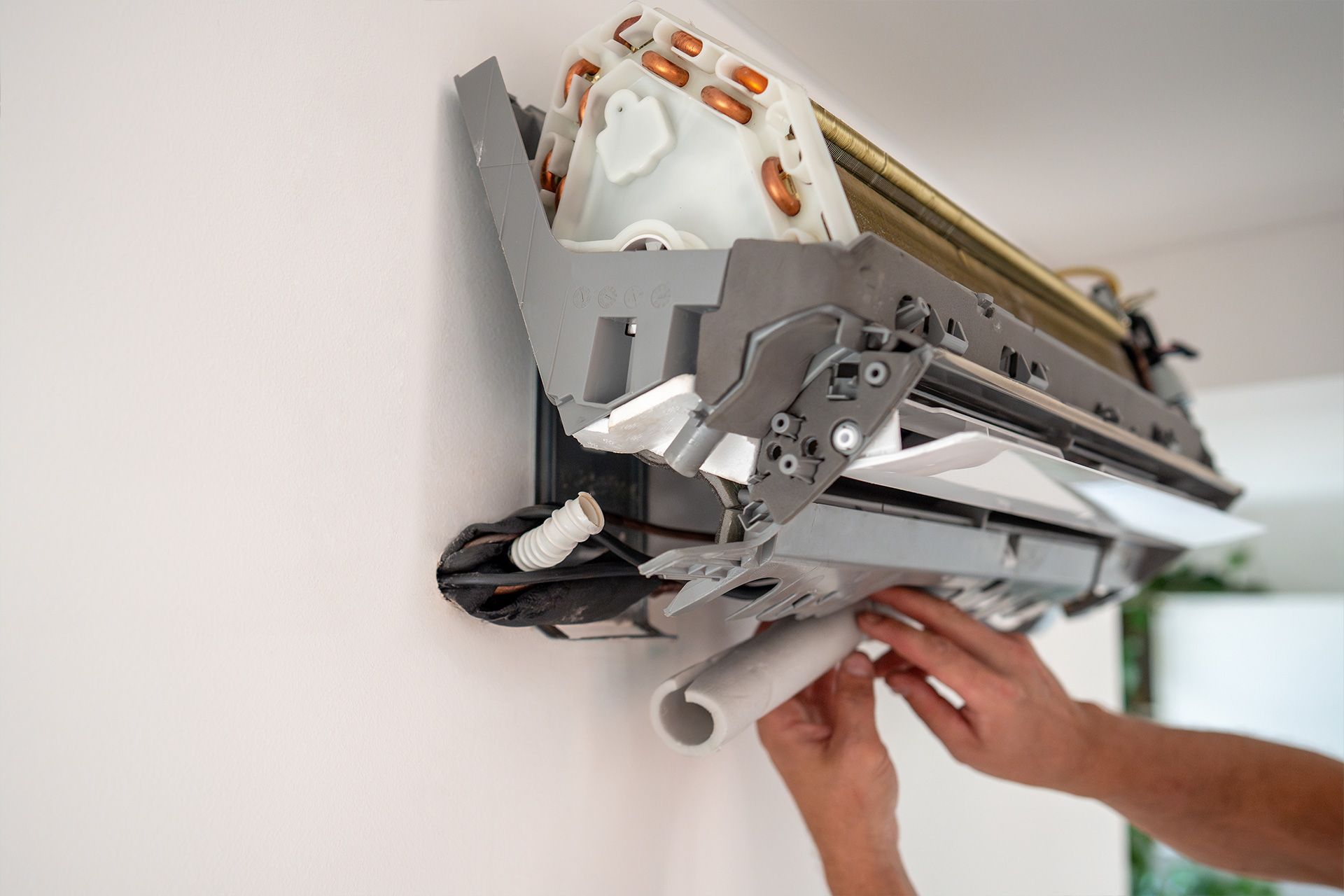
When your air conditioner stops working the way it should, it can be stressful, especially during hot summer months. Many homeowners face the same big question: should you choose air conditioner repair, or is it time for air conditioner replacement?
This guide will help you understand the difference between repairing and replacing your AC system. We’ll explain key signs to watch for, compare costs, and help you decide what’s best for your comfort, home, and budget. If you’re thinking about replacing home AC units or wondering about replacing vs. repairing air conditioners, this article is for you.
Understanding Air Conditioner Repair vs. Replacement
Air conditioner repair means fixing a problem with your current system so it can keep running. This might include replacing a part, fixing a leak, or repairing electrical issues.
Air conditioner replacement means removing your old unit and installing a brand-new system. This is often done when the old system is too old, inefficient, or costly to repair.
Both options have pros and cons, and the right choice depends on your situation.
Why Choosing the Right Option Matters
Your air conditioner does more than cool your home. It affects your energy bills, indoor comfort, and air quality. Making the wrong choice could mean higher costs, frequent breakdowns, or poor cooling.
That’s why it’s important to understand when air conditioner repair makes sense, and when replacing a home AC unit is the smarter move.
Key Factors to Help You Decide
1. Age of Your Air Conditioner
Age is one of the biggest factors when deciding between repair and replacement.
- Most AC units last
10 to 15 years
- If your unit is
under 10 years old, air conditioner repair is often the better choice
- If your unit is
older than 10–12 years, air conditioner replacement may save money in the long run
Older systems tend to break down more often and use more energy.
2. Cost of Repairs vs. Cost of Replacement
A common rule used by HVAC professionals is the 50% rule:
- If the repair cost is
more than half the cost of a new system, replacement is usually the better option
- If repairs are minor and affordable, repair may be the right choice
Another helpful method is multiplying the age of the unit by the repair cost. If the total is very high, replacement may make more financial sense.
3. Frequency of Breakdowns
If you’ve had to call for AC service several times in the past year, that’s a warning sign. Frequent repairs often mean:
- Higher long-term costs
- More unexpected breakdowns
- Less comfort during hot weather
In these cases, replacing a home AC unit can provide peace of mind and better performance.
4. Energy Efficiency and Utility Bills
Older air conditioners are usually less efficient. This means they work harder to cool your home and use more electricity.
Signs your AC is not energy efficient include:
- Rising energy bills
- Long run times
- Trouble keeping your home cool
New air conditioners are built with better efficiency, which can lower monthly energy costs and improve comfort.
5. Comfort and Cooling Performance
Does your home feel unevenly cooled? Do some rooms stay warm while others feel cold?
These issues often point to an aging or failing AC system. While AC repair may fix the problem temporarily, replacement usually provides better and more consistent cooling.
Signs It’s Time for Air Conditioner Replacement
You may want to consider air conditioner replacement if:
- Your AC is more than
10–12 years old
- Repairs are becoming more frequent
- Energy bills keep increasing
- The system struggles to cool your home
- Your AC uses outdated refrigerants
- Repair costs are high compared to replacement costs
Replacing a home AC unit can improve comfort, lower energy bills, and reduce stress during peak summer months.
When Air Conditioner Repair Is the Better Choice
Air conditioner repair is often the best option if:
- Your system is
less than 10 years old
- The repair is simple and low-cost
- The unit is still energy efficient
- You have a valid parts or labor warranty
- This is the first major repair
In these cases, repairing your AC can extend its life and delay the need for replacement.
Benefits of Replacing Your Home AC Unit
While replacement costs more upfront, it offers many long-term benefits:
- Lower energy bills with improved efficiency
- Better cooling and comfort throughout your home
- Quieter operation
- Fewer breakdowns
- New warranty coverage
- Modern features, such as smart thermostat compatibility
For many homeowners, replacing a home AC unit is an investment that pays off over time.
Replacing vs. Repairing Air Conditioner: Side-by-Side Comparison
| Factor | Repair | Replacement |
|---|---|---|
| Age of unit | Best if under 10 years | Best if over 10–12 years |
| Upfront cost | Lower | Higher |
| Energy efficiency | May stay the same | Much better |
| Reliability | Temporary fix | Long-term solution |
| Comfort | Limited improvement | Improved cooling |
| Warranty | Depends on current coverage | New full warranty |
How to Make Your AC Last Longer
Whether you choose air conditioner repair or replacement, regular maintenance is key. Simple steps include:
- Changing air filters every 1–3 months
- Keeping outdoor units clear of debris
- Scheduling professional tune-ups
- Making sure vents are open and unblocked
Proper care can help reduce breakdowns and keep your system running efficiently.
Not sure whether to repair or replace your AC? Contact
Gleason today for expert guidance and
reliable HVAC service.
FAQs: Air Conditioner Repair and Replacement
How long does an air conditioner usually last?
Most central air conditioners last between 10 and 15 years with regular maintenance.
Is it cheaper to repair or replace an AC?
Repair is cheaper upfront, but replacement can save money over time through lower energy bills and fewer repairs.
How do I know if my AC needs replacement?
Frequent breakdowns, rising energy costs, uneven cooling, and old age are strong signs it may be time to replace.
Can I replace just part of my AC system?
Sometimes, mismatched parts can reduce efficiency. A professional can help you decide the best option.
Does a new AC increase home value?
Yes, a new energy-efficient AC system can improve comfort and add value to your home.
Disclaimer: The information on this website and blog is for general informational purposes only and is not professional advice. We make no guarantees of accuracy or completeness. We disclaim all liability for errors, omissions, or reliance on this content. Always consult a qualified professional for specific guidance.
Recent Posts