Articles
HVAC Contractor Tips and Articles For Your Home
Why is My AC Leaking Water?: Key Reasons
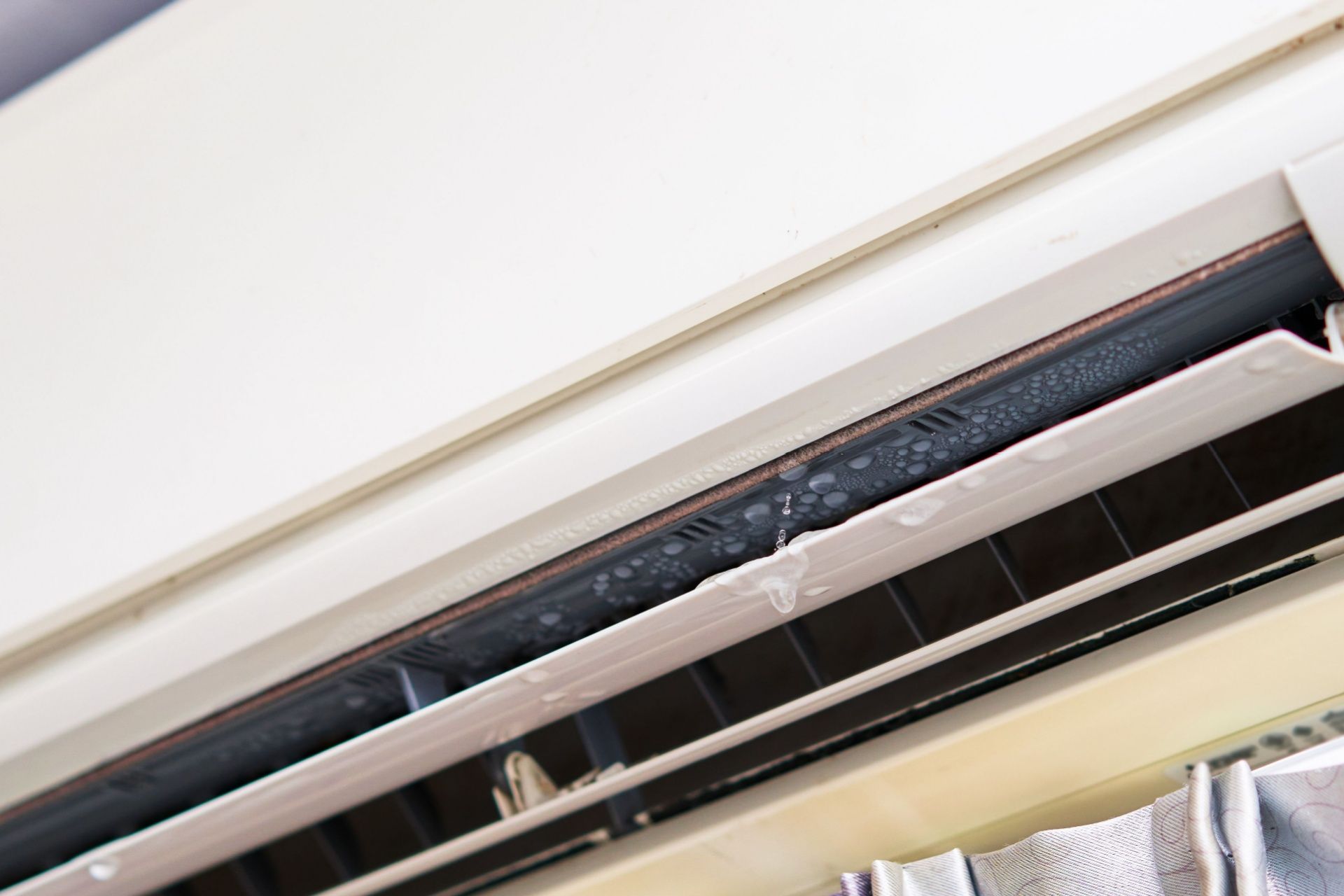
Seeing an air conditioner leaking water can be stressful. You may notice puddles near your unit or water stains on the floor or ceiling. If you’re asking, “Why is my AC leaking water?”, you’re not alone. An AC water leak is a common problem, especially during hot summer months in the U.S.
The good news is that most causes of an AC leaking water are easy to explain and often fixable when caught early. In this guide, we’ll break down the main reasons your air conditioner may be leaking water, what signs to watch for, and what you should do next—all in simple, grade 7–level language.
How Does an Air Conditioner Create Water?
Your air conditioner doesn’t just cool your home—it also removes moisture from the air. When warm air moves over the cold evaporator coil, moisture turns into water. This water drips into a drain pan and flows out through a drain line.
If any part of this process fails, you may end up with an air conditioner leaking water inside your home instead of safely draining outside.
1. Clogged Condensate Drain Line
The most common reason for an AC water leak is a clogged drain line. Dust, dirt, mold, and algae can build up in the line over time. When the drain line is blocked, water has nowhere to go and backs up into your home.
Signs to watch for:
- Water pooling near the indoor AC unit
- Musty or moldy smell
What to do:
Sometimes flushing the line can help, but severe clogs usually need professional cleaning.
2. Dirty or Clogged Air Filter
A dirty air filter blocks airflow. When airflow is restricted, the evaporator coil can get too cold and freeze. Once the AC turns off, the ice melts and creates more water than the drain system can handle—leading to leaks.
Signs to watch for:
- Weak airflow from vents
- Higher energy bills
- Ice on the indoor unit
What to do:
Change yourair filter every 1–3 months to prevent freezing and leaks.
3. Frozen Evaporator Coils
Frozen coils are a major cause of AC leaking water. When coils freeze, ice builds up. Once it melts, excess water overflows the drain pan.
Common causes of frozen coils:
- Dirty air filters
- Blocked vents
- Low refrigerant
What to do:
Turn off the AC and let it thaw. If freezing keeps happening, call anHVAC professional.
4. Low Refrigerant Levels
Refrigerant helps your AC cool properly. If refrigerant is low, pressure drops and the evaporator coil can freeze. When that ice melts, it can cause an AC water leak.
Signs to watch for:
- Poor cooling
- Hissing sounds
- Ice on coils
What to do:
Refrigerant issues must be handled by a licensed HVAC technician.
5. Cracked or Rusted Drain Pan
The drain pan collects condensation from the AC. Over time, older drain pans can rust, crack, or wear out. When this happens, water leaks before it reaches the drain line.
Signs to watch for:
- Water dripping under the unit
- Visible rust or damage
What to do:
Minor cracks may be sealed, but damaged pans often need replacement.
6. Disconnected or Broken Drain Line
If the drain line becomes loose, cracked, or disconnected, water may leak directly into your home instead of flowing outside.
Signs to watch for:
- Water near the air handler
- Wet spots around drain pipe
What to do:
A professional can inspect and fix or replace the drain line safely.
7. Improper Installation or Unit Not Level
Your AC system must be level for water to drain correctly. If it’s tilted or poorly installed, water may miss the drain pan and leak.
Signs to watch for:
- Water leaking on one side only
- AC unit looks uneven
What to do:
An HVAC technician can level or reinstall the unit properly.
8. Faulty Condensate Pump
Some systems use a condensate pump to move water out of the home. If the pump fails or loses power, water backs up and causes an air conditioner leaking water problem.
Signs to watch for:
- Pump not turning on
- Water not draining outside
What to do:
A technician can repair or replace the condensate pump.
9. High Humidity or Oversized AC Unit
In very humid conditions, your AC produces more condensation. If your system is too large for your home, it may cool too fast and create excess moisture, leading to an AC water leak.
Signs to watch for:
- Leaks during very humid weather
- High indoor humidity
What to do:
A professional can check system size and recommend solutions like a dehumidifier.
How to Prevent AC Water Leaks
Preventing an air conditioner leaking water starts with simple maintenance:
- Change air filters regularly
- Schedule annual AC tune-ups
- Keep drain lines clean
- Watch for early signs of leaks
These steps can help you avoid costly repairs and water damage.
If your air conditioner is leaking water, contact Gleason Plumbing, Heating and Air today for fast, professional AC inspection and repair you can trust.
FAQs: AC Leaking Water
Is it normal for an AC to leak water?
No. While condensation is normal, visible water leaks are not and should be addressed.
What should I do first if my AC is leaking water?
Turn off the system and check the air filter. Then call a professional if the issue continues.
Can an AC water leak cause damage?
Yes. Ongoing leaks can damage floors, walls, ceilings, and even lead to mold growth.
Can I fix an AC leak myself?
Small issues like a dirty filter may be DIY, but most leaks require professional repair.
How often should AC maintenance be done?
At least once a year, ideally before summer starts.
Disclaimer: The information on this website and blog is for general informational purposes only and is not professional advice. We make no guarantees of accuracy or completeness. We disclaim all liability for errors, omissions, or reliance on this content. Always consult a qualified professional for specific guidance.
Recent Posts