Articles
HVAC Contractor Tips and Articles For Your Home
What Is the Difference Between an Air Purifier and a Humidifier?
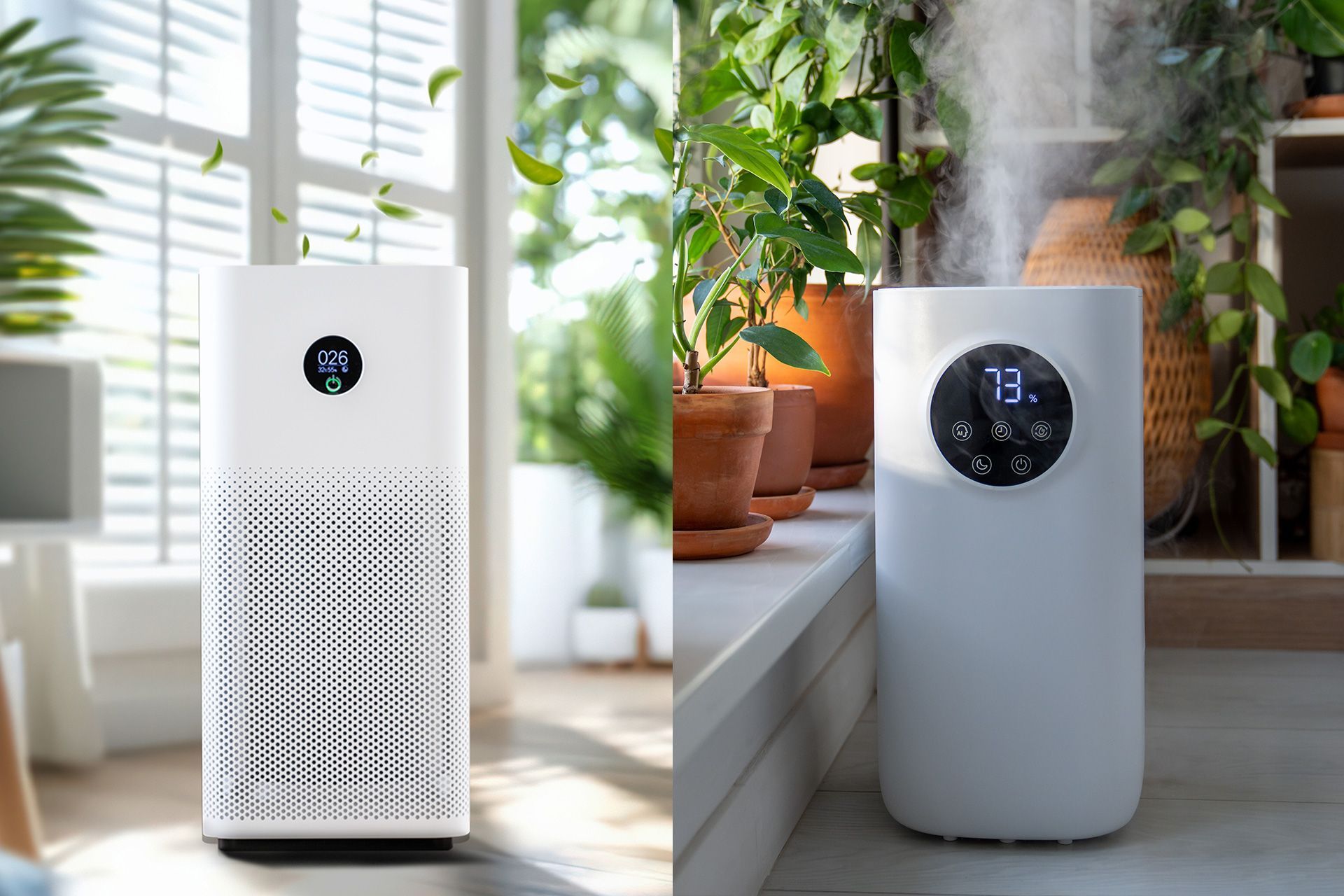
Clean and comfortable indoor air is important for every home in the USA. Many homeowners look for ways to improve the air they breathe, especially during allergy season or cold winter months. Two popular devices often come up in this search: air purifiers and humidifiers. While they may sound similar, they do very different jobs.
In this guide, we’ll clearly explain the air purifier vs humidifier comparison, highlight the difference between air purifier and humidifier, and help you decide which one is best for your home.
What Is an Air Purifier?
An air purifier is a device that removes harmful particles from the air. Its main goal is to make the air cleaner and healthier to breathe.
How Does an Air Purifier Work?
Air purifiers pull air into the machine using a fan. The air passes through filters that trap unwanted particles, and then clean air is released back into the room. Most air purifiers use:
- HEPA filters
to capture dust, pollen, pet dander, and mold spores
- Carbon filters
to reduce odors, smoke, and chemical fumes
Air purifiers do not add moisture to the air. They only clean it. This is a key point when understanding the difference between air purifier and humidifier.
When Should You Use an Air Purifier?
An air purifier is a good choice if you:
- Have allergies or asthma
- Own pets that shed hair or dander
- Want to reduce dust, smoke, or indoor odors
- Live in an area with poor outdoor air quality
Air purifiers can be used year-round and are especially helpful for improving indoor air quality.
What Is a Humidifier?
A humidifier adds moisture to dry indoor air. It helps keep humidity levels balanced, which can improve comfort and reduce dryness in your home.
How Does a Humidifier Work?
Humidifiers release water into the air as a fine mist or steam. They use a water tank that must be refilled regularly. Common types include:
- Cool mist humidifiers
- Warm mist humidifiers
- Ultrasonic humidifiers
Unlike air purifiers, humidifiers do not clean the air or remove particles.
When Should You Use a Humidifier?
A humidifier is helpful when indoor air feels dry, especially during winter. You may benefit from a humidifier if you experience:
- Dry or itchy skin
- Cracked lips
- Dry throat or cough
- Nose irritation or congestion
- Static electricity in your home
This explains another major difference between air purifier and humidifier, one improves air cleanliness, while the other improves air moisture.
Air Purifier vs Humidifier: Key Differences
Here’s a simple comparison to help you understand the difference at a glance:
| Feature | Air Purifier | Humidifier |
|---|---|---|
| Main Purpose | Cleans the air | Adds moisture to the air |
| Removes Dust & Allergens | Yes | No |
| Changes Humidity Level | No | Yes |
| Helps With Allergies | Yes | No |
| Helps With Dry Skin | No | Yes |
| Best Use Time | All year | Mostly winter or dry seasons |
When comparing air purifier vs humidifier, it’s clear they solve different problems.
Which One Improves Indoor Air Quality?
If your main concern is airborne pollutants like dust, pollen, smoke, or pet hair, an air purifier is the better choice. It actively removes these particles from the air.
If your concern is dry air that causes discomfort, a humidifier is the better solution. It helps balance moisture levels but does not clean the air.
Some homes benefit from using both devices together for complete indoor comfort.
Can You Use an Air Purifier and Humidifier Together?
Yes, you can use both devices in the same home—and sometimes even in the same room. This is helpful if your home has both dry air and poor air quality.
Tips for using both safely:
- Place them a few feet apart
- Keep humidity levels between 30% and 50%
- Clean both devices regularly
Some modern systems even combine air purification and humidification into one unit.
Health Benefits of Air Purifiers
Air purifiers can help improve health by reducing airborne irritants such as:
- Allergens
- Mold spores
- Smoke particles
- Pet dander
They are especially helpful for people with allergies, asthma, or breathing problems.
Health Benefits of Humidifiers
Humidifiers can help reduce problems caused by dry air, including:
- Dry skin and itchy eyes
- Sore throat and cough
- Nosebleeds
- Sinus irritation
However, humidifiers must be cleaned often. Dirty humidifiers can spread mold or bacteria into the air.
Which One Should You Choose for Your Home?
Choosing between an air purifier and a humidifier depends on your needs:
- Choose an
air purifier
if your main concern is dust, allergens, or odors
- Choose a
humidifier
if your home feels dry and uncomfortable
- Choose
both
if you want cleaner air and better humidity balance
Understanding the difference between air purifier and humidifier helps you make the right decision for your home and family.
Need help improving comfort and air quality in your home? Contact Gleason today to find the right indoor solutions for your space.
Frequently Asked Questions (FAQs)
What is the main difference between an air purifier and a humidifier?
An air purifier cleans the air by removing particles, while a humidifier adds moisture to dry air.
Can a humidifier remove dust or allergens?
No. A humidifier does not filter or clean the air. It only adds moisture.
Is an air purifier better for allergies?
Yes. Air purifiers help remove allergens like pollen, dust, and pet dander.
When should I use a humidifier?
Humidifiers are best used during dry seasons, especially winter.
Can one device do both jobs?
Some devices combine air purification and humidification, but most do only one function.
Disclaimer: The information on this website and blog is for general informational purposes only and is not professional advice. We make no guarantees of accuracy or completeness. We disclaim all liability for errors, omissions, or reliance on this content. Always consult a qualified professional for specific guidance.
Recent Posts