Articles
HVAC Contractor Tips and Articles For Your Home
How to Reset Your Air Conditioning Unit
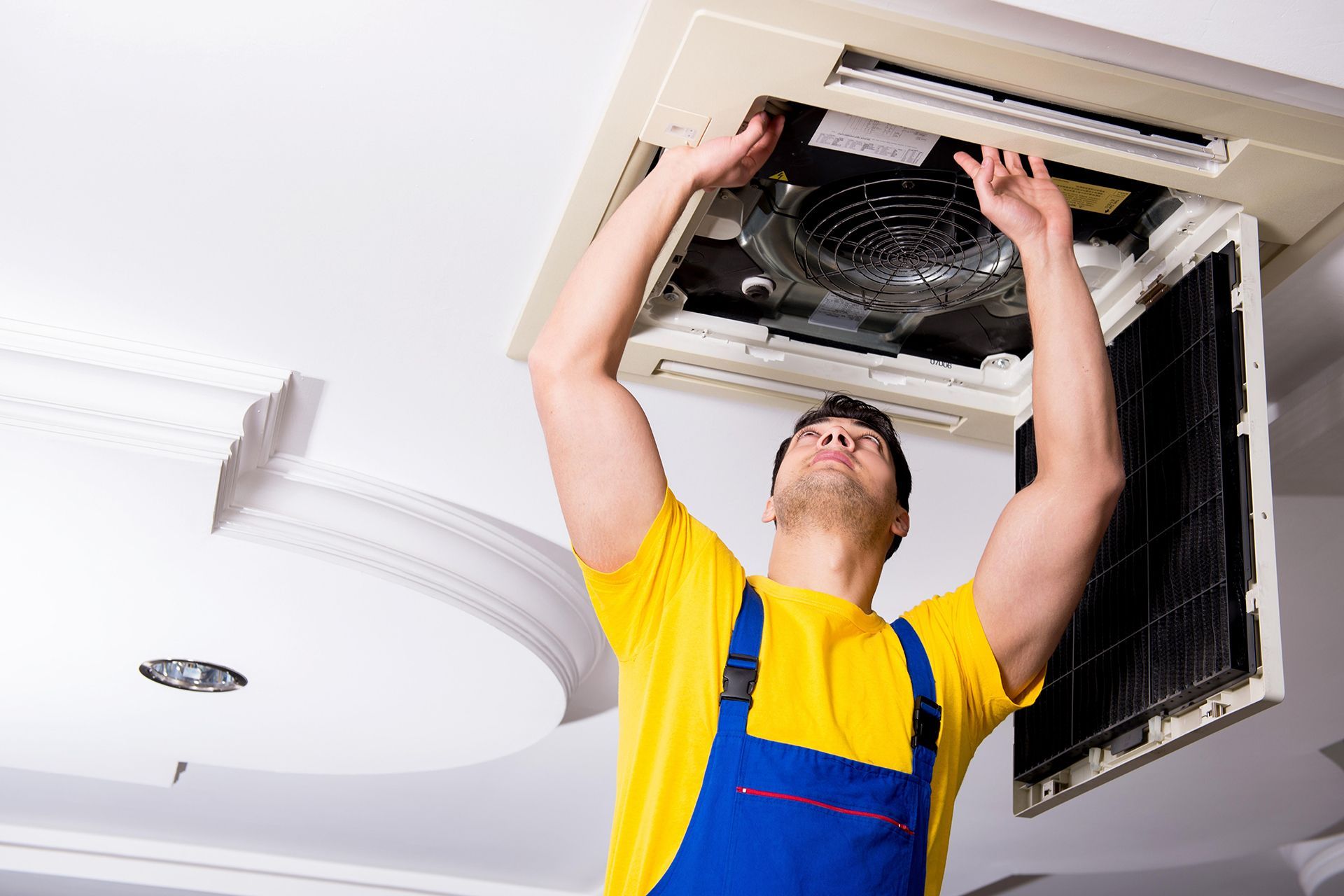
When summer temperatures rise in Wauconda and across the Northern Chicago Suburbs, your air conditioner quickly becomes one of the most important systems in your home. But what happens when your aircon is not turning on, your system starts blowing warm air, or the compressor refuses to kick in?
Before assuming the worst, it’s helpful to understand how to reset AC unit systems properly. In many cases, a simple reset can resolve minor electrical glitches and restore comfort to your home. This guide walks you through how to reset an air conditioner, how to reset an AC compressor, and when it’s time to call a professional.
Why You May Need to Reset Your Air Conditioner
Air conditioning systems are complex machines made up of electrical components, sensors, motors, and safety switches. Power surges, thermostat miscommunication, clogged filters, or even extreme temperature swings can cause the system to shut down as a protective measure.
A reset can help when:
- Your
aircon is not turning
on
even though the thermostat is set correctly.
- The AC is running but blowing warm air.
- The system is short cycling (turning on and off quickly).
- A recent power outage caused the system to stop responding.
Resetting the system essentially allows it to reboot — similar to restarting a computer.
Safety First Before Resetting
Before learning how to reset air conditioner equipment, keep safety at the forefront. Air conditioning systems operate on high voltage electricity.
Follow these precautions:
- Turn off the thermostat.
- Shut off power at the circuit breaker.
- Avoid touching exposed wires or internal components.
- If you are unsure at any step, contact a licensed HVAC technician.
Safety always comes first, especially when working with electrical equipment.
How to Reset AC Unit Systems (Standard Method)
Many modern central AC systems include a reset button. Here’s the step-by-step process:
Step 1: Turn Off the Thermostat
Switch your thermostat to the “off” position to prevent it from calling for cooling during the reset.
Step 2: Shut Off the Breaker
Locate your home’s electrical panel and turn off the breaker labeled AC, HVAC, or air conditioner.
Step 3: Find the Reset Button
Look for a small red or yellow reset button, typically located on the outdoor condenser unit or inside the air handler. Not all systems have one.
Step 4: Press and Hold
Press and hold the reset button for 3–5 seconds.
Step 5: Restore Power
Turn the breaker back on.
Step 6: Restart the Thermostat
Set your thermostat to “cool” and adjust it to a temperature lower than the room temperature.
Wait several minutes to see if cool air begins circulating.
How to Reset Air Conditioner Without a Reset Button
Older systems often don’t include a visible reset button. In that case, a power cycle reset is the best option.
Manual Power Cycle Reset:
- Turn off the thermostat.
- Shut off the AC breaker.
- Wait at least 60 seconds.
- Turn the breaker back on.
- Wait 5 minutes.
- Turn the thermostat to “cool.”
This process allows the internal control board to reset and clear minor electronic errors.
How to Reset AC Compressor
The compressor is the heart of your cooling system. If it doesn’t start properly, your AC won’t cool your home.
If you suspect a compressor issue, follow this reset process:
- Turn off the thermostat.
- Shut off the breaker supplying power to the AC.
- Wait 30–60 seconds to allow internal pressure to stabilize.
- Restore power at the breaker.
- Turn the thermostat back to cooling mode.
If the compressor still doesn’t engage, the issue could involve:
- A faulty capacitor
- Refrigerant problems
- Electrical component failure
- Overheating protection shutdown
At that point, professional service is recommended.
Common Reasons Aircon Not Turning On
Before resetting your system, check these simple possibilities:
1. Thermostat Issues
- Dead batteries
- Incorrect settings
- Faulty wiring
2. Tripped Breaker
Power surges or system overloads can trip the AC breaker.
3. Dirty Air Filters
Clogged filters restrict airflow and can cause the system to overheat and shut down.
4. Blocked Outdoor Unit
Leaves, debris, or grass clippings around the condenser can restrict airflow.
5. Safety Switch Triggered
Some systems shut down if water backs up in the condensate drain line.
Checking these items first can save time and unnecessary troubleshooting.
When Resetting Is Not Enough
While learning how to reset AC unit systems is helpful, it’s important to recognize when a deeper issue is present.
Call a professional if:
- You need to reset your system repeatedly.
- The AC still blows warm air after resetting.
- You hear loud grinding, buzzing, or rattling noises.
- There’s a burning smell.
- Ice is forming on the coils.
- Water is pooling around the unit.
In Wauconda and the Northern Chicago Suburbs, summer humidity can strain AC systems significantly. Persistent issues often indicate component failure or refrigerant problems that require licensed repair.
Why AC Systems Shut Down After Power Outages
Northern Illinois storms can cause brief outages or voltage fluctuations. Many modern air conditioners include protective delay mechanisms to prevent compressor damage.
After a power interruption:
- The system may delay startup for 5–10 minutes.
- Safety switches may trigger.
- Circuit boards may need a full power reset.
In these cases, following the manual reset steps often restores normal operation.
Preventing Future AC Shutdowns
While knowing how to reset air conditioner equipment is helpful, prevention is better.
1. Change Filters Regularly
Replace air filters every 1–3 months during heavy usage.
2. Keep Outdoor Units Clear
Maintain at least 2 feet of clearance around the condenser.
3. Schedule Annual Maintenance
Professional inspections catch minor issues before they become major repairs.
4. Monitor Thermostat Settings
Avoid extreme temperature swings that cause system strain.
5. Install Surge Protection
Whole-home surge protectors can protect your HVAC system during summer storms.
Routine maintenance reduces emergency resets and extends system lifespan.
Special Considerations for Northern Chicago Suburbs Homes
Homes in Wauconda and surrounding communities experience:
- High summer humidity
- Rapid temperature swings
- Frequent thunderstorms
These conditions can strain HVAC systems more than in milder climates. That’s why regular inspections and proper troubleshooting are so important.
If your aircon is not turning on during a heat wave, quick action can prevent discomfort and further damage.
Final Thoughts
Understanding how to reset AC unit systems, how to reset an air conditioner safely, and how to reset AC compressor components can help you troubleshoot minor issues quickly. However, if your aircon is not turning on after following these steps, it’s best to have a licensed HVAC technician inspect the system.
Need fast AC help in Wauconda or the Northern Chicago Suburbs? Call Gleason Heating and Air Conditioning today and get your comfort restored quickly.
FAQs
How often should I reset my AC unit?
Resetting should be occasional and used only for troubleshooting. If frequent resets are needed, a professional inspection is recommended.
Will resetting fix warm air problems?
Sometimes. If the issue is a minor electrical glitch, a reset may help. If refrigerant levels are low or components are damaged, it will not fix the problem.
Is it safe to reset my AC myself?
Yes, as long as you turn off the breaker and follow safety precautions.
How long should I wait before turning the AC back on?
After shutting off the breaker, wait at least 60 seconds before restoring power. Some systems benefit from waiting 5 minutes.
What if my AC compressor still won’t start?
If resetting doesn’t work, the issue could involve the capacitor, motor, or refrigerant system. Professional diagnosis is necessary.
Why does my air conditioner keep tripping the breaker?
This could indicate electrical overload, compressor issues, or wiring problems. Repeated breaker trips require immediate professional attention.
Disclaimer: The information on this website and blog is for general informational purposes only and is not professional advice. We make no guarantees of accuracy or completeness. We disclaim all liability for errors, omissions, or reliance on this content. Always consult a qualified professional for specific guidance.
Recent Posts