Articles
HVAC Contractor Tips and Articles For Your Home
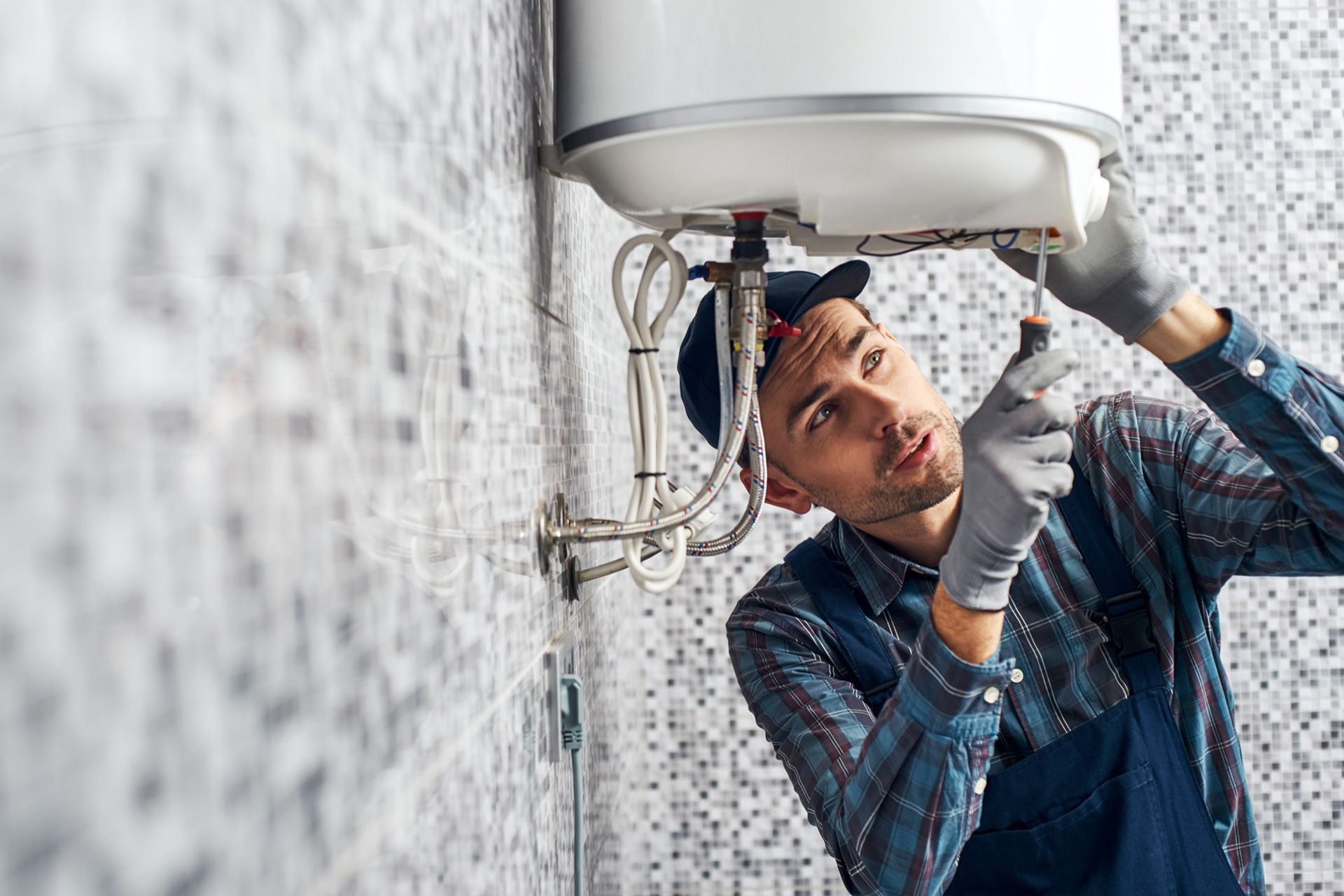
How To Adjust a Hot Water Heater: Simple Guide for Homeowners
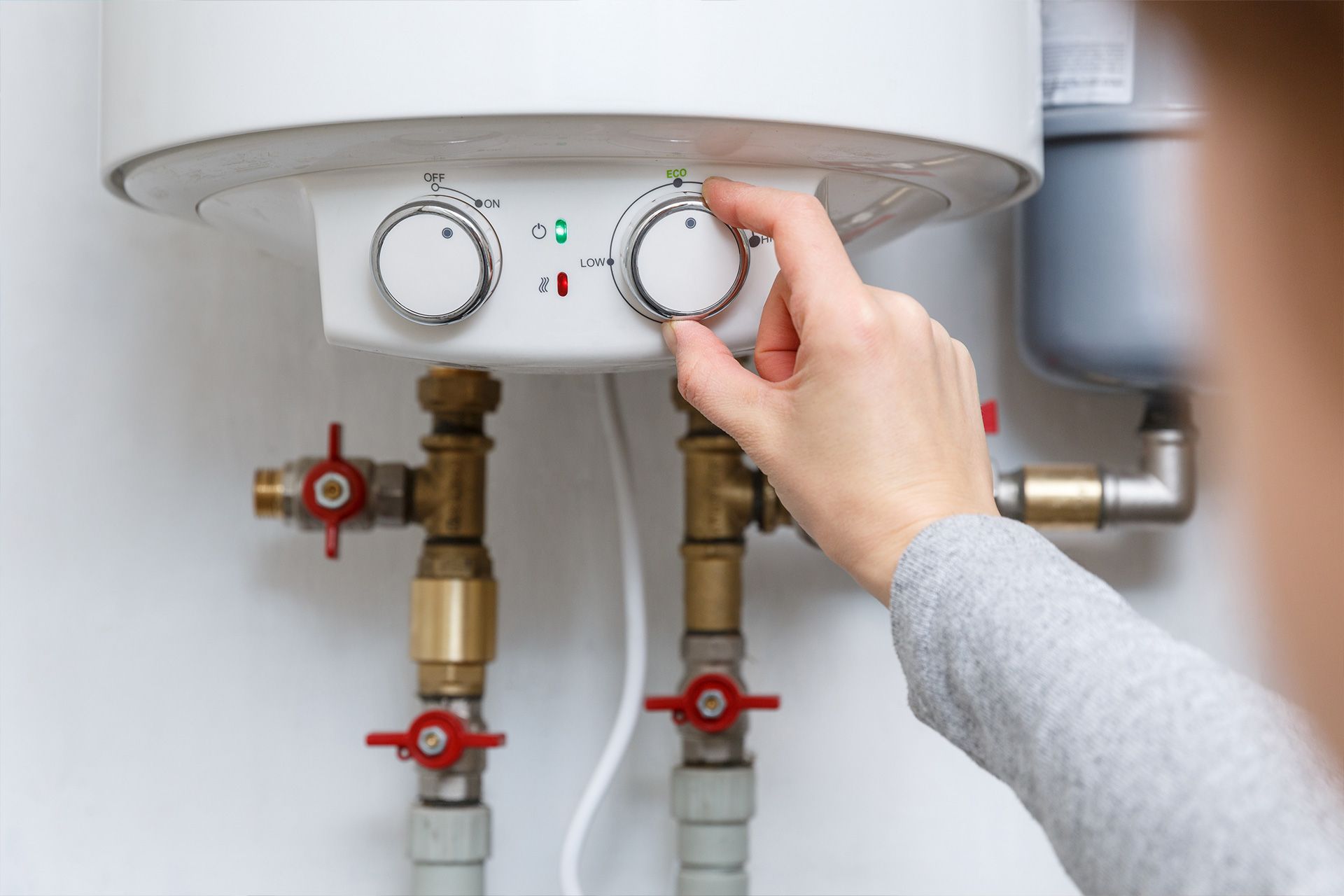
If you’re a homeowner in the USA and wondering how to turn your hot water up, you’re not alone. Many families deal with water that’s too cold, too hot, or just not right. The good news is that learning how to turn up water heater settings is simple when you follow the right steps.
In this guide from Gleason HVAC, we’ll explain how to safely adjust your water heater, what temperature is best, and when to call for professional water heater services.
Why You May Need to Adjust Your Water Heater
Your water heater controls the temperature of water used for showers, dishes, laundry, and cleaning. But the factory setting may not always match your needs.
Here are common reasons homeowners adjust their water heater:
- Showers aren’t hot enough
- Water gets cold too quickly
- Water feels too hot and unsafe
- You want to lower your energy bill
- Seasonal temperature changes affect water heat
Most water heaters are set to 120°F when installed. This temperature works well for most homes because it balances comfort, safety, and energy savings.
What Is the Best Temperature Setting?
Before learning how to turn your hot water up, it’s important to know the safe range.
- 120°F –
Recommended for most homes. Safe and energy-efficient.
- 125°F–130°F –
Slightly hotter, but increases burn risk.
- Above 140°F –
Can cause burns quickly and is not recommended for most households.
If you have children, elderly family members, or anyone with sensitive skin, keeping the water at 120°F is the safest choice.
Safety First Before Adjusting
Water heaters use either electricity or gas. Before making any changes:
- Turn off power at the breaker (electric heater).
- Turn gas control to “pilot” or off (gas heater).
- Never touch wires or components with wet hands.
- Use a screwdriver if needed to adjust settings.
If you feel unsure at any point, it’s best to call professional water heater services for help.
How to Turn Up Water Heater (Step-by-Step)
The steps are slightly different depending on whether you have a gas or electric water heater.
How to Adjust a Gas Water Heater
- Locate the thermostat dial.
This is usually near the bottom of the tank. - Check the current setting.
Many gas heaters use labels like “Warm,” “Hot,” or “A, B, C.” - Turn the dial slightly.
Move it a small amount toward a hotter setting. Do not make large jumps. - Wait several hours.
It may take 1–3 hours for the new temperature to fully heat. - Test the water.
Run hot water at a faucet for a few minutes and test with a thermometer.
If it’s still not hot enough, repeat the process carefully.
How to Adjust an Electric Water Heater
Electric heaters usually have two thermostats: one at the top and one at the bottom.
- Turn off power at the breaker.
This is very important for safety. - Remove the access panels.
Use a screwdriver to open the metal covers. - Move insulation aside.
You’ll see the thermostat with a temperature dial. - Adjust the thermostat slightly.
Use a flathead screwdriver to turn it up a few degrees. - Set both thermostats to the same temperature.
This ensures even heating. - Replace insulation and panels.
- Turn power back on.
Wait a few hours before testing your water temperature.
How to Check Your Current Water Temperature
Before and after adjustments, check the water temperature:
- Turn on hot water at the faucet.
- Let it run for 2–3 minutes.
- Fill a cup with hot water.
- Use a cooking thermometer to measure the temperature.
This helps you know if your changes worked.
Why You Should Avoid Setting It Too High
You may think hotter water is better, but there are risks.
Burn Risk
Water at 140°F can cause burns in just a few seconds.
Higher Energy Bills
The higher the temperature, the harder your heater works.
Shorter Heater Lifespan
Overworking your heater can cause wear and tear.
Keeping your heater at 120°F helps protect your family and your equipment.
When Adjusting the Temperature Doesn’t Fix the Problem
Sometimes turning up the temperature doesn’t solve the issue. You may notice:
- Water runs out too quickly
- Water never gets hot enough
- Water temperature changes suddenly
- Strange noises from the tank
- Rust-colored or smelly water
These may be signs of a larger issue, such as sediment buildup, a broken heating element, or thermostat failure.
In these cases, it’s best to call trusted water heater services like Gleason HVAC to inspect and repair the system safely.
How Often Should You Adjust Your Water Heater?
Most homeowners do not need to adjust the setting often. However, you may consider adjusting:
- During winter months
- If your family size changes
- After installing a new appliance
- If energy bills suddenly increase
Small adjustments are usually enough.
Benefits of Professional Water Heater Services
While learning how to turn your hot water up is helpful, professional service offers added peace of mind.
Professional technicians can:
- Inspect heating elements
- Flush sediment from the tank
- Check pressure relief valves
- Test thermostat accuracy
- Improve energy efficiency
- Extend the life of your system
Regular maintenance can prevent major repairs later.
Final Thoughts
Knowing how to turn up water heater settings is a useful skill for every homeowner. Small changes can improve comfort, lower energy costs, and keep your family safe. Always adjust carefully, test the temperature, and avoid setting it too high.
If the problem continues or you’re unsure about making adjustments, professional help is the safest option.
Call Gleason HVAC today for reliable water heater services you can trust.
Frequently Asked Questions (FAQs)
What is the safest temperature for a water heater?
120°F is the recommended setting for most homes. It prevents burns and saves energy.
How long does it take for water to heat after adjusting?
Usually 1 to 3 hours, depending on the tank size and heater type.
Is it safe to adjust a water heater myself?
Yes, if you follow safety steps carefully. Always turn off power or gas first. If unsure, contact professional water heater services.
Why is my water still not hot after turning it up?
There could be a faulty heating element, sediment buildup, or thermostat problem. A professional inspection may be needed.
Does turning up my water heater increase my bill?
Yes. Higher temperatures use more energy and increase utility costs.
Should both thermostats match on an electric heater?
Yes. Both upper and lower thermostats should be set to the same temperature for balanced heating.
Disclaimer: The information on this website and blog is for general informational purposes only and is not professional advice. We make no guarantees of accuracy or completeness. We disclaim all liability for errors, omissions, or reliance on this content. Always consult a qualified professional for specific guidance.
Recent Posts