Articles
HVAC Contractor Tips and Articles For Your Home
What Is a Heat Pump? How Does a Heat Pump System Work?
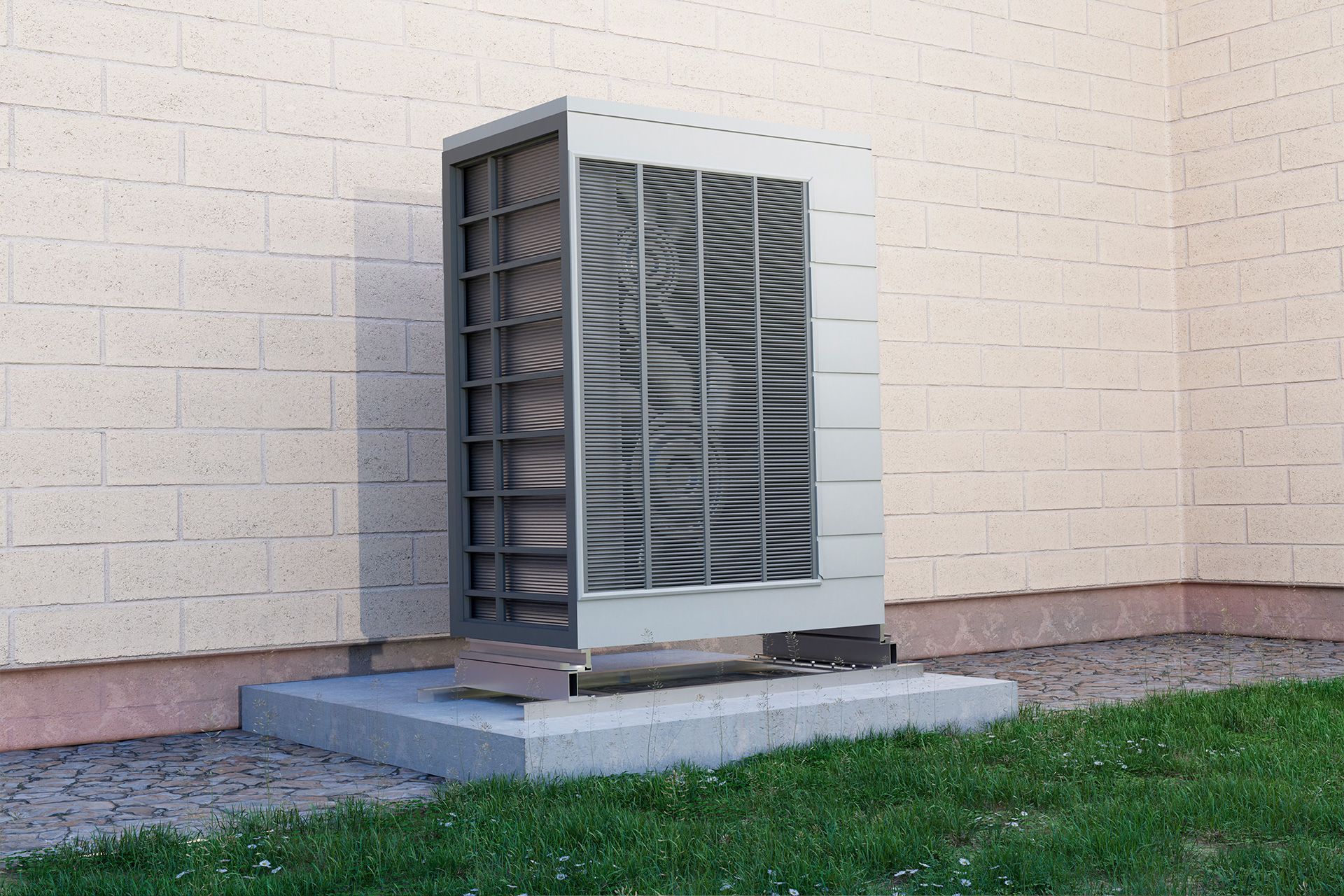
If you are learning about ways to heat and cool your home, you might have heard the term heat pump. But what is a heat pump? And how does a heat pump system work?
This article explains those ideas in a simple way that’s easy to understand. You’ll also learn why many people in the USA are choosing heat pumps for comfort, savings, and energy efficiency.
What is a Heat Pump?
A heat pump is a system that can both heat and cool your home. Many people think of heating and cooling as two different jobs. But heat pumps do both! Instead of creating heat like a furnace or blowing cold air like an air conditioner, a heat pump moves heat. It transfers heat energy from one place to another.
You can think of a heat pump like a smart helper that moves warmth wherever it’s needed. In winter, it brings heat into your house. In summer, it pulls heat out of your house. This is how a heat pump AC unit works when cooling your home.
Why Are Heat Pumps Popular?
Heat pumps are becoming more popular in the United States for several reasons:
- They can both heat and cool your home with one system.
- They often use less energy than traditional furnaces and air conditioners.
- They can lower your utility bills.
- They help reduce greenhouse gas emissions.
Because of these benefits, many homeowners are choosing heat pumps over older systems.
Heat Pump Basics: What Does a Heat Pump Do?
A heat pump moves heat from one place to another using a substance called a refrigerant. Refrigerants easily absorb heat and release it when needed. The system has four main parts that help move heat:
- Evaporator Coil
- Compressor
- Condenser Coil
- Expansion Valve
These parts work together to move heat into or out of your home.
How Does a Heat Pump System Work?
1. Heat Pump in Heating Mode
Let’s start in winter, when your home is cold and you want to warm it up:
- The
heat pump AC unit
pulls heat energy from the outside air—even in cold weather.
- The refrigerant in the outdoor coil absorbs this heat and turns into a gas.
- The compressor squeezes the gas, making it hotter.
- The hot gas moves inside to the indoor coil.
- The indoor coil releases the heat into your home.
- The refrigerant cools down and becomes a liquid again, ready to repeat the cycle.
So even if it’s chilly outside, the heat pump still finds heat energy and brings it inside. That’s how the heat pump system works in winter.
2. Heat Pump in Cooling Mode
Now let’s look at summer, when your home is hot and you want to cool it:
- The heat pump pulls heat from your home’s indoor air.
- The refrigerant carries the heat outside.
- The outdoor coil releases the heat into the air outside.
- The cooled refrigerant returns inside to absorb more heat.
This process cools your home just like a standard air conditioner. So in summer, the heat pump works as a heat pump AC unit.
Heat Pump Efficiency: Why They Save Energy
Heat pumps don’t create heat—they move it. This makes them very efficient. For every 1 unit of electricity a heat pump uses, it can move 3 or more units of heat. That means you get more heat for less energy!
By comparison, traditional electric heaters make heat using all the energy they consume. Heat pumps are smarter. They use energy to move heat instead of creating it. That’s why they often cost less to operate.
Types of Heat Pumps
There are a few common types of heat pumps you might hear about:
Air-Source Heat Pumps
These are the most common in the U.S. They use the air outside to heat or cool your home. Most heat pump AC units you see are air-source systems.
Geothermal Heat Pumps
These systems use the ground for heat instead of the air. Underground temperatures stay pretty steady year-round, so geothermal systems can be very efficient. However, they cost more to install.
Ductless Mini-Split Heat Pumps
These systems don’t need ducts. They are good for homes without existing ductwork. Each unit can heat or cool a specific room.
All of these are types of heat pumps, but they use different ways to get heat from one place to another.
How a Heat Pump Saves You Money
Because heat pumps move heat instead of creating it, they use less electricity than many other systems.
Here’s how heat pumps can save you money:
- Lower monthly energy bills
- No need for separate heating and cooling systems
- Fewer maintenance costs compared to two separate systems
- Longer equipment life
Even though heat pumps might cost more upfront, many homeowners see savings over time. You might also qualify for tax credits or rebates in your area for installing an energy-efficient heat pump.
Heat Pump Myths — Debunked!
There are a few common myths about heat pumps. Let’s clear them up!
Myth 1: Heat Pumps Don’t Work in Cold Weather
Not true! Modern heat pumps can work well even in cold climates. Some models are built to handle very low temperatures.
Myth 2: Heat Pumps Are the Same as Air Conditioners
Not exactly. A heat pump cools like an air conditioner, but it can also heat your home. An air conditioner only cools.
Myth 3: Heat Pumps Aren’t Worth the Cost
Heat pumps often cost more up front, but their energy savings can make up for that cost over time.
Comparing Heat Pumps to Traditional Systems
Here’s a simple comparison to help you see how heat pumps measure up:
| Feature | Heat Pump | Furnace + AC |
|---|---|---|
| Heating | ✔️ Yes | ✔️ Yes |
| Cooling | ✔️ Yes | ✔️ Yes |
| One System | ✔️ Yes | ❌ Two systems |
| Energy Efficient | ✔️ Yes | ❌ Depends on fuel |
| Uses Electricity | ✔️ Yes | ❌ Some use gas |
Heat pumps do both jobs in one system. That’s a big benefit for many homeowners.
Installing and Maintaining a Heat Pump
If you choose a heat pump, installation is important. A professional HVAC technician will:
- Size your system correctly
- Install it safely
- Make sure it works with your home’s layout
Once installed, a heat pump needs regular maintenance, just like any HVAC system. You should:
- Replace or clean filters regularly
- Keep outdoor coils clean
- Schedule yearly check-ups
Maintenance helps your system run efficiently and last longer.
If you’re ready to enjoy year-round comfort with a smart, energy-saving system, let the HVAC experts at Gleason help you choose the right heat pump for your home.
Frequently Asked Questions (FAQs)
What is a heat pump used for?
A heat pump is used to heat and cool your home. It moves heat instead of creating it.
How does a heat pump system work?
A heat pump uses refrigerant and a cycle of evaporation and condensation to move heat into your home in winter and out of your home in summer
Is a heat pump the same as a heat pump AC unit?
Yes. A heat pump AC unit is a heat pump that cools your home in summer like an air conditioner and heats it in winter.
Can heat pumps work in cold climates?
Modern heat pumps are designed to work in many climates, including cold areas. Some models are built for very low temperatures.
Are heat pumps energy efficient?
Yes! Heat pumps move heat instead of making it, so they often use less energy than traditional systems.
How often should a heat pump be serviced?
It’s best to have a professional inspect your heat pump once a year and to clean or replace filters regularly.
Disclaimer: The information on this website and blog is for general informational purposes only and is not professional advice. We make no guarantees of accuracy or completeness. We disclaim all liability for errors, omissions, or reliance on this content. Always consult a qualified professional for specific guidance.
Recent Posts