Articles
HVAC Contractor Tips and Articles For Your Home
What Does a Furnace Reset Button Do?
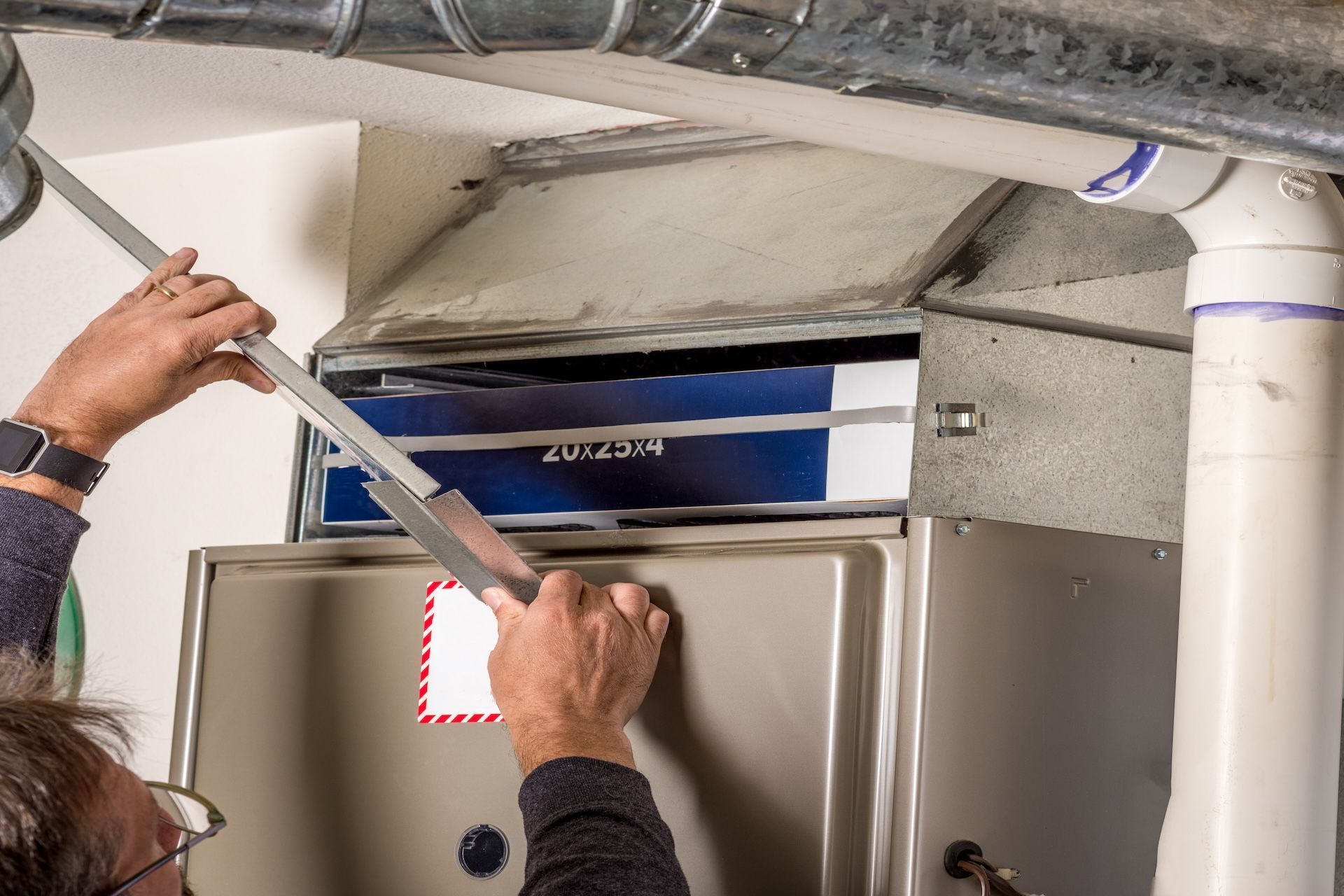
If you have ever had your furnace stop working suddenly, you may have noticed a small button hidden on the unit called the reset button. Many homeowners don’t know what it does or when they should use it. But this little button can help you restart your system safely and avoid bigger problems.
In this guide, we will explain what a furnace reset button does, where to find it, why it pops, and how to use it the right way. We’ll keep the language simple, clear, and helpful, so every homeowner can understand it.
What Is a Furnace Reset Button?
A furnace reset button is a built-in safety feature. Its main job is to protect your furnace from damage. When your heating system senses a problem like overheating, lack of fuel, or airflow issues, the reset button “trips.” This shuts the furnace off to prevent dangerous conditions.
Think of it like a circuit breaker. When something goes wrong, it stops everything from keeping your home safe.
Most reset buttons are red or yellow, and when they pop out, it's a sign your furnace needs attention.
Where Is the Reset Button on a Furnace?
Many homeowners ask, “Where is the reset button on a furnace?” The answer depends on the type of furnace you have, but most reset buttons are in one of these spots:
- Near the
blower motor
- On the
control panel
- Inside the
furnace cabinet
- Near the
burner area on oil furnaces
If you’re not sure where yours is, check your owner's manual or look for a small colored button. The furnace reset button location is usually easy to find once you know what it looks like.
How the Furnace Reset Button Works
Your furnace monitors several things while running heat levels, airflow, fuel supply, and ignition. If anything becomes unsafe or unusual, the system shuts down and triggers the reset button.
Here are the most common reasons the reset button trips:
1. Overheating
If the furnace gets too hot, the reset button pops to stop the system from burning out.
2. Lack of Airflow
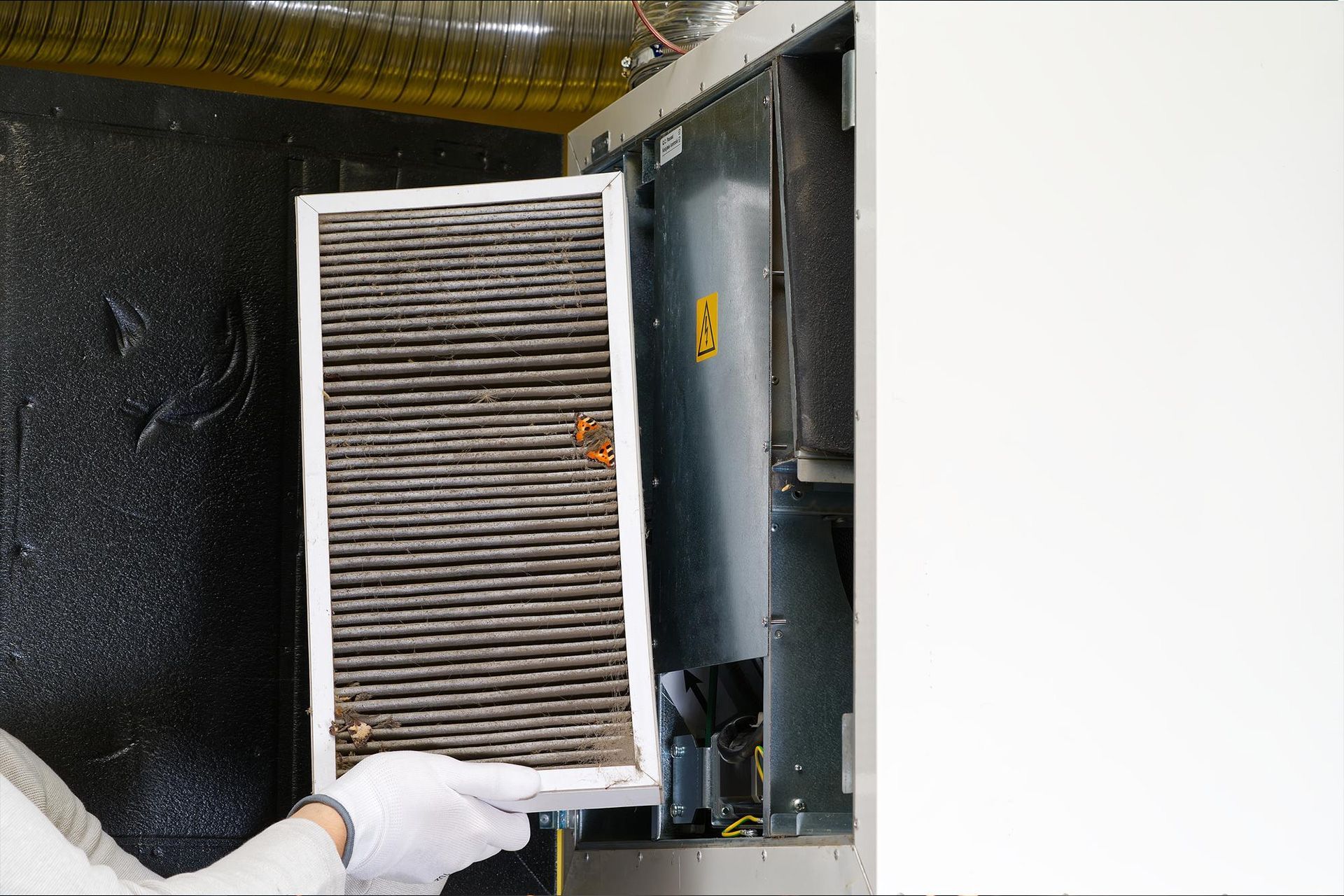
Dirty filters or blocked vents can reduce airflow and cause overheating.
3. Fuel Issues (Oil Furnaces)
If the furnace runs out of oil or has trouble pulling fuel, it will shut down.
4. Ignition Problems
If the furnace tries to turn on but can’t light properly, the button trips for safety.
5. Electrical Problems
Loose wiring or faulty parts can cause shutdowns.
When the reset button pops, it’s a warning. Pressing it restarts the furnace, but you must also fix the reason behind the problem.
What Happens When You Press the Furnace Reset Button?
When you press the reset button, the furnace tries to start again. It goes through these steps:
- The blower stops.
- The system cools down.
- The furnace restarts its ignition sequence.
- It tries to run normally again.
If everything is safe, your furnace should turn back on.
But if the furnace shuts down again soon after, the problem is still there. Never press the reset button more than twice. Doing so can pull too much fuel into the burner or cause overheating.
The Furnace Reset Button Benefits
The reset button offers several helpful benefits for homeowners. Understanding these makes it easier to know when and how to use it.
1. Protects Your Furnace
Instead of letting the furnace overheat or operate in unsafe conditions, the reset button stops damage before it happens.
2. Prevents Fire Hazards
Overheating and electrical issues can be dangerous. The reset button helps avoid risky situations.
3. Helps You Troubleshoot
If the furnace trips once, it tells you something is wrong, like a dirty filter or an empty oil tank. This lets you fix small problems before they become bigger.
4. Saves Your System From Costly Repairs
By shutting down early, the furnace avoids burning out parts such as motors, ignitors, or sensors.
5. Makes Restarting Simple
Instead of calling a technician right away, many minor issues can be solved by pressing the reset button once and correcting the cause.
Should You Use the Furnace Reset Button?
You can use the reset button in a few situations:
- The furnace suddenly stops running.
- You just refilled your oil tank after running out.
- You replaced a dirty air filter.
- The furnace overheated and needs a restart.
But remember this button is not a long-term solution. It is only a temporary reset to get the system running again.
If the furnace keeps shutting down, you need professional heating repair and maintenance service.
How to Safely Reset Your Furnace (Step-by-Step)
Here’s a simple guide to safely reset your furnace:
Step 1: Turn Off the Furnace
Switch off the power using the furnace switch or breaker.
Step 2: Let It Cool Down
Wait at least 5 minutes so the system can cool.
Step 3: Check the Cause
Look for simple problems:
- Dirty filter
- Blocked vents
- Thermostat not set to “Heat”
- Empty oil tank
Fix anything obvious.
Step 4: Find the Furnace Reset Button Location
Look for the red or yellow button on:
- Blower motor
- Control panel
- Burner area
Step 5: Press the Button
Press it once firmly.
Step 6: Turn the Furnace Back On
Restore power and wait for the furnace to start.
If it stops again, call a technician right away.
Common Problems That Make the Reset Button Trip
Knowing these issues can help you understand what your furnace is trying to tell you.
1. Dirty Air Filter
Dirty air filters are one of the top causes of overheating.
2. Blocked or Closed Vents
Air can’t move properly, making the furnace work too hard.
3. Oil Burner Issues
Low fuel levels, clogged nozzles, or air in oil lines.
4. Faulty Flame Sensor
The furnace can’t detect a flame and shuts off.
5. Motor or Electrical Trouble
Loose wires, worn-out motors, or bad switches.
6. Thermostat Problems
Wrong settings or low batteries can cause short cycling.
Why You Shouldn’t Press the Reset Button Too Many Times
It may be tempting to press the button over and over if your furnace won’t start. But this is dangerous.
Pressing the reset button too many times can cause:
- Fuel buildup in oil furnaces
- Overheating
- Repeated ignition attempts that damage parts
- Safety hazards
Never press the reset button more than twice. If the furnace doesn’t respond, it needs service.
How to Prevent Your Furnace From Tripping the Reset Button
You can avoid many furnace issues with simple maintenance:
1. Change Your Air Filter Every 1–3 Months
Keeps airflow strong and prevents overheating.
2. Keep Vents Open and Clear
Blocked vents make the furnace work harder.
3. Get Yearly Furnace Tune-Ups
Technicians catch problems early and keep your system healthy.
4. Check Oil Levels (If You Have an Oil Furnace)
Never let the tank get too low.
5. Keep the Area Around Your Furnace Clean
Dust and clutter can affect airflow and safety.
When to Call a Professional
Call an HVAC technician if:
- The reset button keeps tripping
- The furnace won’t stay on
- You smell gas or burning odors
- Your home isn’t heating properly
- The furnace is making loud or unusual sounds
A professional can find the root cause and fix the problem safely.
Need furnace support? Call
Gleason HVAC for reliable, friendly, and efficient service. Connect with us today, and we’ll have your home cozy in no time.
FAQs About Furnace Reset Buttons
Why does my furnace reset button keep tripping?
It may be overheating, having ignition problems, losing airflow, or running low on fuel.
Can I fix the problem myself?
You can check simple things like filters, vents, and thermostat settings. But repeated trips require a professional.
Is the reset button the same on all furnaces?
Most furnaces have one, but the design and location can vary.
Can pressing the reset button too much damage the furnace?
Yes. Pressing it too many times can cause fuel buildup and overheating.
What should I do before pressing the reset button?
Turn off the furnace, let it cool, and check for simple issues like dirty filters.
Disclaimer: The information on this website and blog is for general informational purposes only and is not professional advice. We make no guarantees of accuracy or completeness. We disclaim all liability for errors, omissions, or reliance on this content. Always consult a qualified professional for specific guidance.
Recent Posts