Articles
HVAC Contractor Tips and Articles For Your Home
Everything You Need to Know About Water Heater Replacement
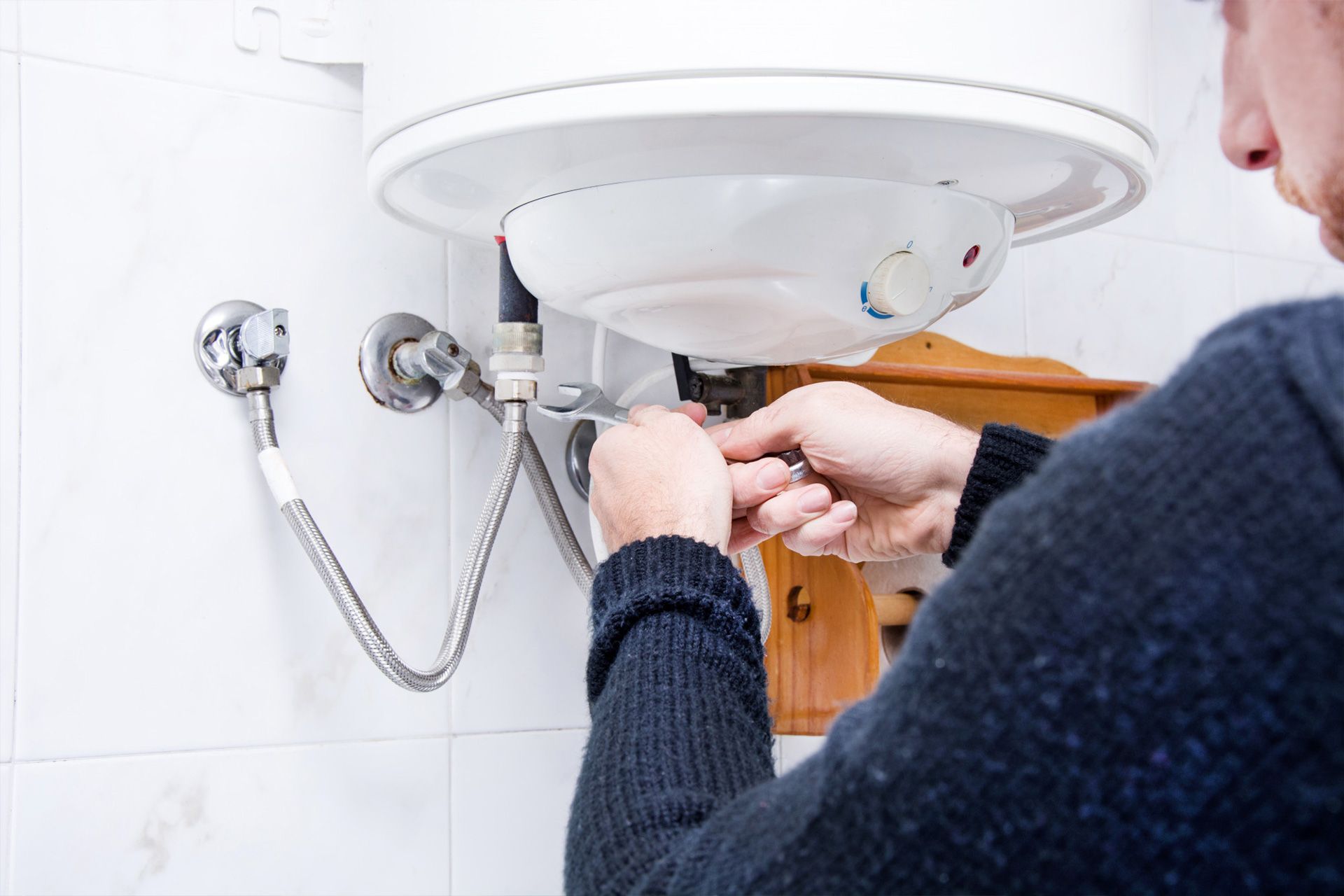
Hot water supports bathing, cleaning, laundry, and other daily tasks. When a water heater becomes unreliable, the problem can disrupt the whole household. Planning can reduce stress, limit the risk of water damage, and help you choose equipment that matches your needs.
Replacing a water heater involves more than removing an old tank. You also need to consider the unit’s age, condition, fuel source, capacity, efficiency, installation space, and safety needs. This guide explains when replacement makes sense, what happens during installation, and how to prepare for professional service.
How Long Does a Water Heater Last?
A traditional storage-tank water heater often lasts about 8 to 12 years. Tankless water heater models may remain in service longer with proper care. Actual service life depends on water quality, installation, household use, and maintenance.
Age alone does not mean a heater must be replaced. Older systems still deserve closer attention because corrosion, sediment buildup, and worn parts become more likely. Check the manufacturer's label for the model and serial number. A plumber can often use that information to estimate the production date.
Maintenance may support reliable operation, but it cannot repair a corroded tank. When an older unit leaks or produces rusty water, then a water heater replacement may be more practical than repeated repairs.
Signs Your Water Heater May Be Failing
A complete loss of hot water is an obvious warning, but many systems show problems before they stop working.
Common warning signs include:
- Water near the tank: A loose connection may be repairable. Water leaking from the tank body indicates internal corrosion and requires prompt attention.
- Rusty hot water: Brown or reddish water from hot taps may come from corrosion inside the heater. A plumber can identify the source.
- Rumbling noises: Sediment can collect at the bottom of a tank. Water may make noise as it heats beneath the material.
- Frequent repairs: Repeated problems on an aging unit can show that dependable operation is becoming harder to maintain.
Should I Replace My Water Heater Before It Fails?
Homeowners often ask, “Should I replace my water heater before it fails?” Planning can make sense when the unit is near the end of its expected life and shows several warning signs. It gives you time to compare equipment, confirm the right size, and prepare the installation area.
Waiting for total failure can leave the home without hot water. A leaking tank may also damage nearby materials. However, replacing a working heater solely because of age is not always necessary. The decision should also consider condition, repair history, maintenance, efficiency, and normal demand.
A professional inspection provides the clearest answer. A plumber can check for corrosion, inspect connections, test key components, and explain whether a repair is likely to provide reliable service.
Choosing the Right New Water Heater
The best new unit is not always an exact copy of the old one. Household needs may have changed since the current heater was installed. Before comparing replacement options, review the common signs that it’s time to replace your water heater, especially if the current system is leaking, producing inconsistent hot water, or requiring frequent repairs.
Consider these factors:
- Household demand: The unit should provide enough hot water during normal peak use without being much larger than needed.
- Tank or tankless design: Tank systems store heated water. Tankless units heat water as it flows through the system. Each option has different space and maintenance needs.
- Fuel source: Gas and electric units require different connections and safety steps. Changing fuel type may require additional work.
- Efficiency: More efficient models can reduce wasted energy, but the unit must still fit the home and daily routine.
- Installation area: Access, drainage, venting, clearances, and nearby utilities affect which model can be installed correctly.
Correct sizing matters. A small unit may run out of hot water, while an oversized tank may waste energy keeping unused water hot.
What Happens During Installation?
Professional water heater replacement usually begins with an inspection of the current system and work area. The plumber confirms the equipment type, capacity, energy source, connections, and any updates needed for safe operation.
The main steps may include:
- Shutting off the water and energy supply
- Draining and removing the old unit
- Preparing the area for the new heater
- Connecting water, power, gas, venting, and drainage as needed
- Filling the system and checking for leaks
- Testing temperature, operation, and safety controls
A tankless conversion, fuel change, difficult access, damaged piping, or ventilation update can require extra work.
How Long Does It Take to Change a Water Heater?
Many homeowners ask, “How long does it take to change a water heater?” A straightforward swap of a similar tank model may take several hours. The actual time depends on access, equipment type, existing connections, required corrections, and how easily the old tank drains.
A plumber must inspect the installation before giving a reliable schedule. Replacing a tank with a similar model is usually simpler than switching to tankless equipment or changing the energy source. New venting, gas work, electrical updates, permits, or plumbing repairs can extend the project.
Clear a safe path to the heater before the appointment. Remove stored belongings from the work area and ask whether the company will remove the old equipment.
Repair or Replace?
Not every problem requires new equipment. A thermostat, heating element, valve, or connection may be repairable when the tank is sound, and the unit is not near the end of its life.
Water heater replacement becomes more reasonable when several concerns appear together, such as advanced age, tank leakage, visible corrosion, weak hot water output, and repeated breakdowns.
Do not decide based on one symptom alone. Low hot water volume could be due to a failed part or a heater that no longer fits the household's needs. A qualified plumber can identify the cause and explain the benefits and limits of repair.
Conclusion
Successful water heater replacement starts with an accurate assessment, suitable equipment, and careful installation. Consider the current heater’s age, condition, repair history, household demand, fuel source, efficiency, and existing connections before deciding.
Gleason Heating and Air Conditioning provides water heater repair and installation for homeowners in Wauconda and surrounding northern Illinois communities. Our team can inspect your current equipment, explain appropriate options, and complete the work with close attention to safety and reliable operation.
Schedule a water heater service appointment today.
FAQs
Can I replace only a damaged part, or is a complete water heater replacement required?
Yes, you can replace only the damaged part. Thermostats, heating elements, valves, and some connections may be repairable. A leaking or severely corroded tank usually requires a complete water heater replacement because the tank body cannot be safely repaired.
How do I know what size water heater I need?
Sizing depends on household size, peak hot water use, fixtures, appliances, and equipment type. A plumber can estimate demand and recommend a suitable tank capacity or tankless flow rate.
Why is my water heater making a rumbling sound?
Rumbling may occur when sediment collects at the bottom of a tank. Water can become trapped beneath it and make noise as it heats. An inspection can determine whether flushing, repair, or replacement is appropriate.
Does switching to tankless take longer?
A tankless conversion usually takes longer than a similar tank replacement because the work may require new venting, gas, electrical, water, or mounting connections. This is why the answer to “how long does it take to change a water heater” depends on the installation.
Should I shut off a leaking water heater?
If you can do so safely, shut off the energy source and water supply, then contact a professional. Do not touch wet electrical equipment, hot water, or gas controls when conditions appear unsafe.
Disclaimer: The information on this website and blog is for general informational purposes only and is not professional advice. We make no guarantees of accuracy or completeness. We disclaim all liability for errors, omissions, or reliance on this content. Always consult a qualified professional for specific guidance.
Recent Posts