Articles
HVAC Contractor Tips and Articles For Your Home
Water Heater Comparison Guide: Find the Best System for Your Home
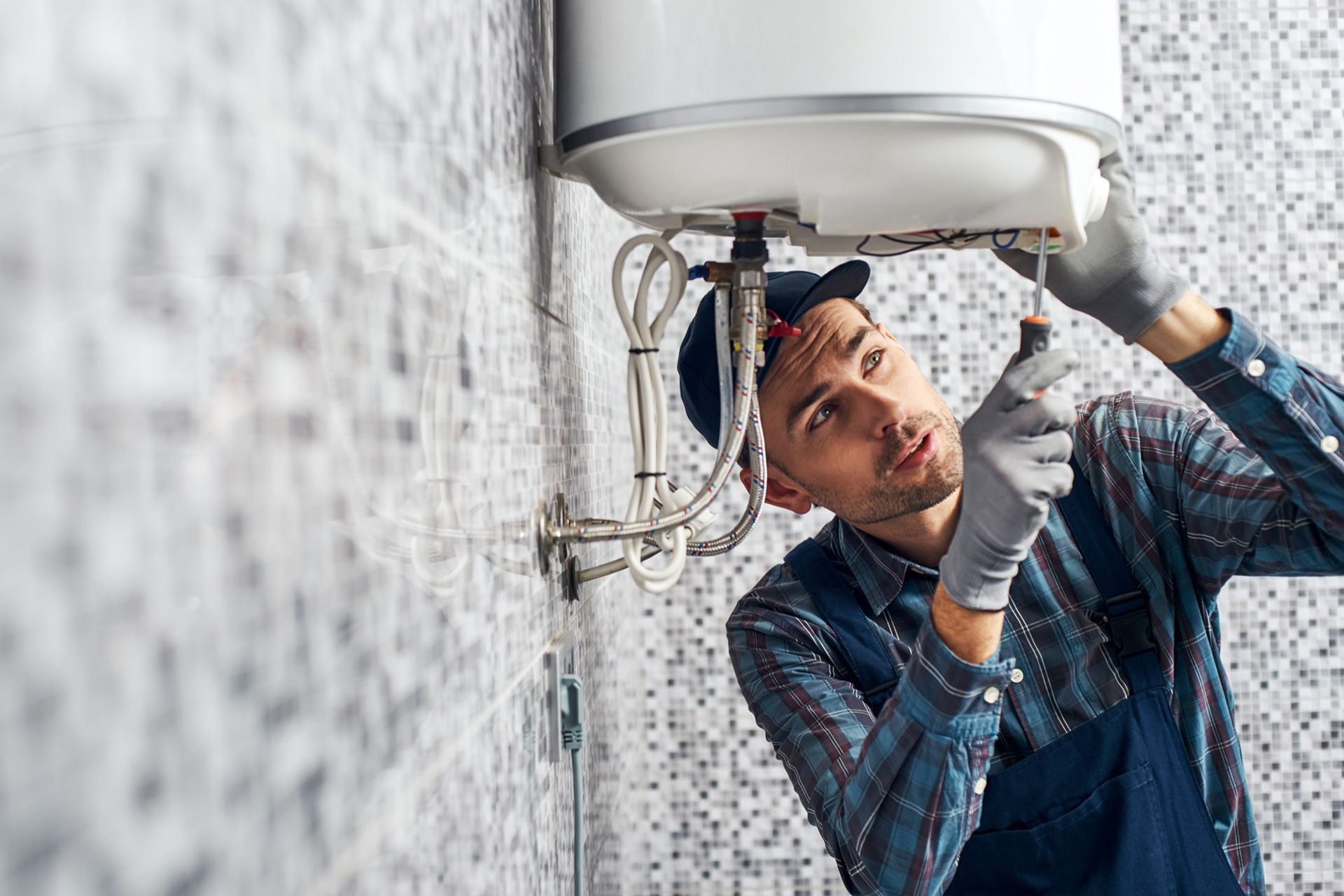
Choosing a water heater becomes more complex once you compare tanks, tankless units, heat pumps, solar equipment, and boiler-connected systems. Each option has different installation and maintenance needs.
The best choice must meet peak hot water demand while fitting the available utilities and space. This guide explains the main types of water heaters and how to compare them.
Begin With Your Household’s Hot Water Demand
Do not choose a unit based only on tank size or an efficiency label. Think about when your household uses the most hot water, such as when a shower and appliances run together.
For a storage tank, check the first hour rating, which estimates output during a busy hour. For tankless equipment, check gallons per minute and temperature rise. Colder inlet water can reduce available flow.
Before changing your home water heating system, review:
- Household demand: Count the people, bathrooms, and appliances that may use hot water together. Peak use matters more for sizing than total daily use.
- Available energy source: Natural gas, electricity, propane, solar access, and boiler connections determine which equipment can work without major changes.
- Installation conditions: Review floor space, ventilation, drainage, electrical capacity, gas supply, and access for future service.
Compare the Main Water Heater Options
Understanding the types of water heaters makes it easier to narrow your choices. No single design is best for every house.
Conventional Storage Tank Water Heaters
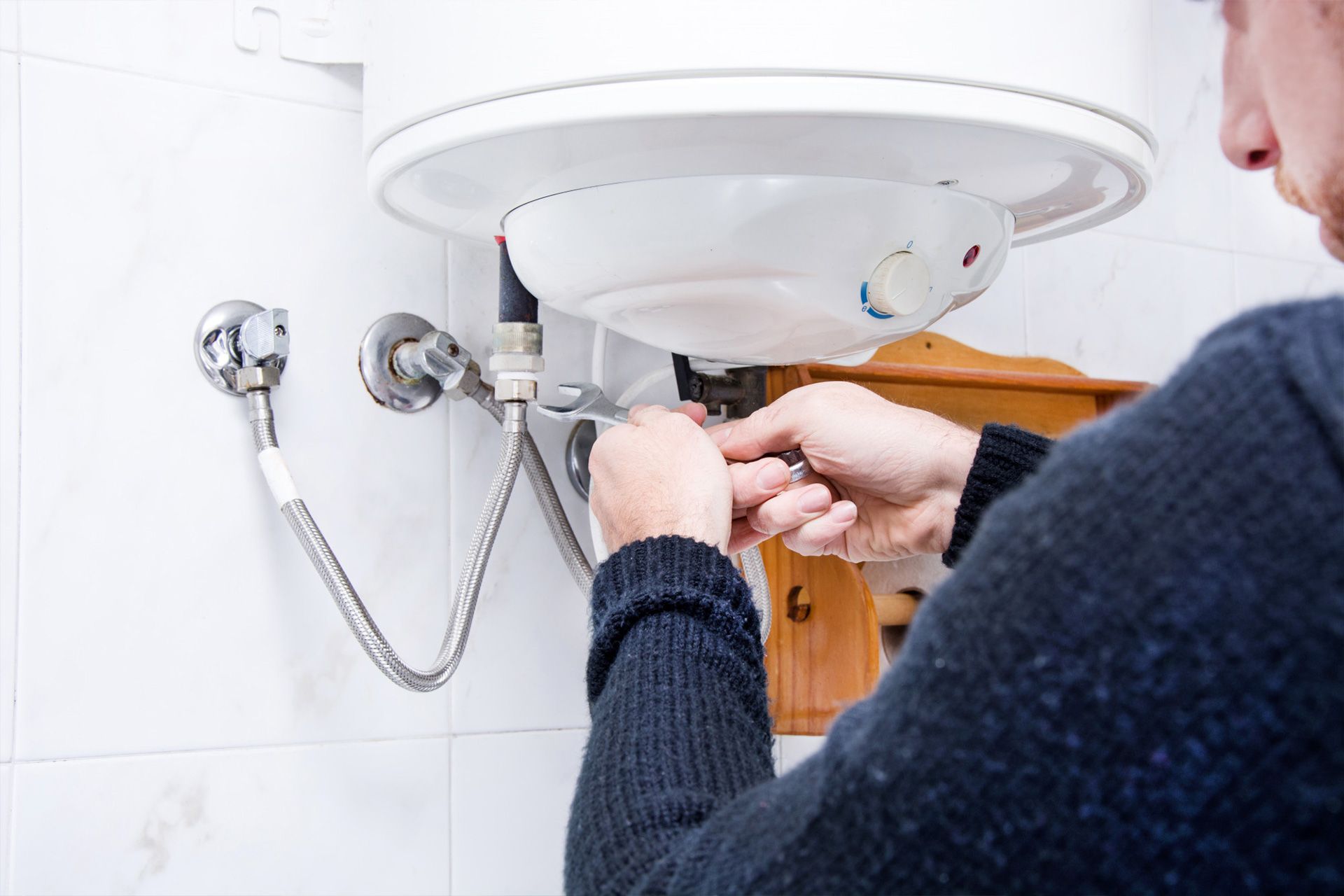
A storage model heats water and keeps it ready inside an insulated tank. Gas units use a burner, while electric units use heating elements. Correct sizing supports short periods of heavy use.
Because the system keeps water warm, it has some standby heat loss. This option may suit households that want predictable operation and have room for a tank.
Tankless Water Heaters
A tankless water heater heats water when a tap opens, so it avoids tank standby loss.
Sizing depends on simultaneous flow and temperature rise. A unit that supports one shower may not handle several fixtures at once. Gas supply, electrical service, and venting must also match the unit.
Heat Pump Water Heaters
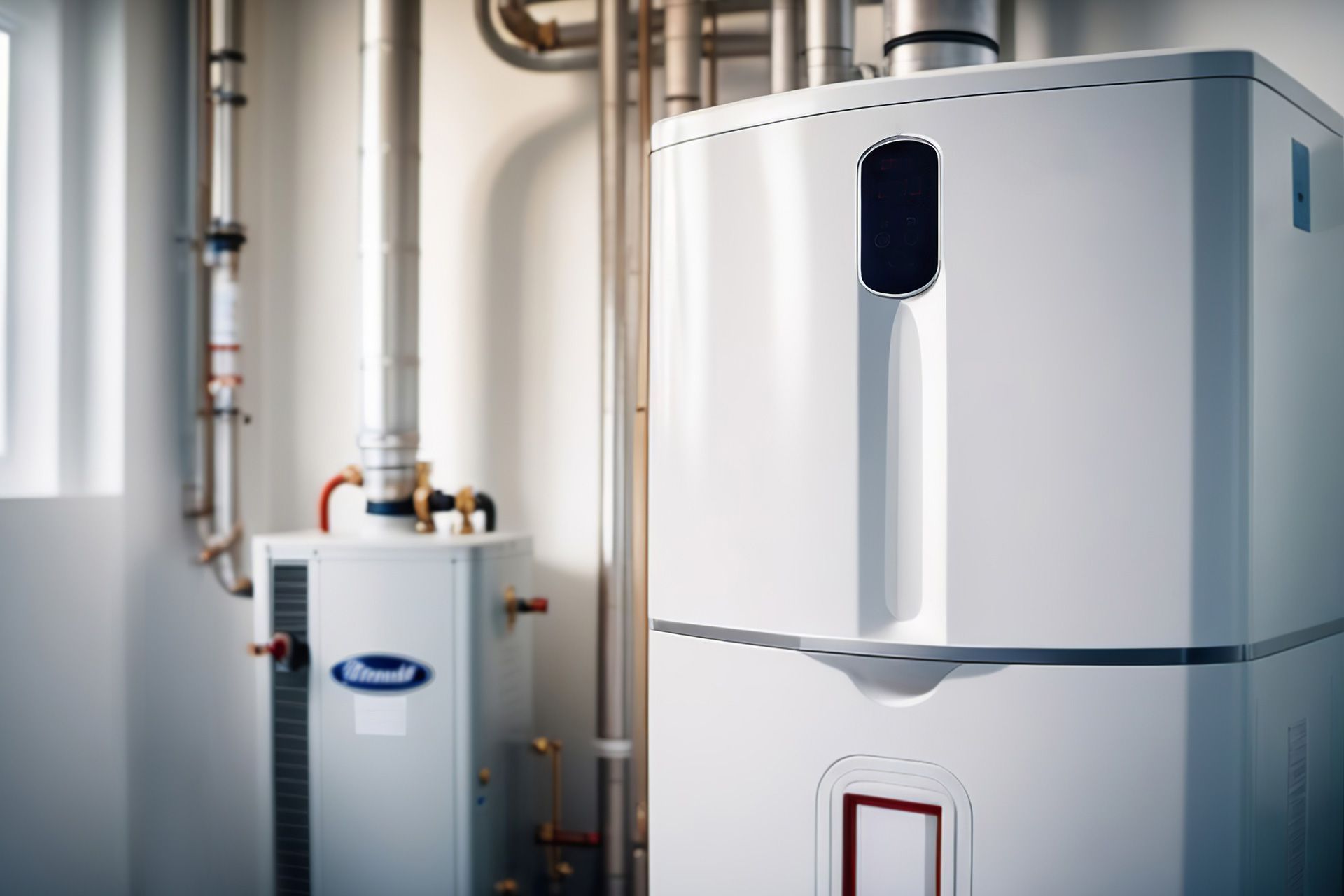
A heat pump model moves heat from nearby air into a storage tank. This can use much less electricity than standard electric resistance heating.
These units need enough surrounding air, a suitable temperature, and a condensate drain. They also cool and dry the room, so a small cold closet may not work.
Condensing Gas Water Heaters
A condensing model captures heat from exhaust that a standard gas unit would release and transfers more of it into the water.
The system needs proper venting and a condensate drain. The gas line and installation area must also support it.
Solar and Indirect Water Heating
Solar systems use collectors to capture sunlight. Most include a tank and backup source. Roof position, shade, and climate affect performance.
An indirect water heater uses a home boiler to heat water stored in a separate tank. It can work well when the boiler is efficient and has enough capacity.
Water Heater Efficiency Comparison Chart
The table below gives a practical overview. Actual results depend on the model, household use, incoming water temperature, installation, and maintenance.
| System | How It Works | Main Strength | Important Limitation |
|---|---|---|---|
| Storage tank | Heats and stores water | Strong peak delivery | Standby heat loss |
| Tankless | Heats water during use | Avoids tank standby loss | Flow has a limit |
| Heat pump | Moves heat from room air | Efficient electric operation | Needs suitable air space |
| Condensing gas | Reuses heat from exhaust | Captures more fuel energy | Needs drainage and venting |
| Solar | Uses sunlight with backup | Reduces purchased energy use | Depends on site conditions |
| Indirect | Uses a boiler and tank | Can pair well with a boiler | Requires boiler capacity |
Efficiency is commonly shown through the Uniform Energy Factor, or UEF. A higher UEF means better efficiency within the correct product category. Recovery, first-hour rating, flow, and demand still matter.
Look Beyond Efficiency Ratings
The types of water heaters differ enough that a fair comparison must include comfort, space, maintenance, and building changes. Efficiency alone does not make a unit suitable.
Review these points:
- Delivery and recovery: Storage tanks provide a ready supply but need time to recover. Tankless units can operate for long periods, but total flow is limited.
- Space and utility work: A wall-mounted tankless unit saves floor space, yet it may need new venting or utility upgrades. A heat pump model needs more air volume.
- Maintenance: Tanks may need sediment removal and anode checks. Tankless heat exchangers may need scale cleaning. Heat pump filters and condensate paths also need care.
- Future needs: Household growth, bathroom additions, electrification goals, and plans to remain in the home can change which benefits matter most.
Match the Equipment to Your Situation
A standard storage tank can make sense when the current design serves the household well, and the goal is a direct replacement. It remains a practical home water heating system for many properties.
Tankless equipment may suit a household that wants long periods of hot water and has enough gas or electrical capacity. Careful sizing matters in northern Illinois, where winter inlet water can be cold.
A heat pump unit may be a strong option when replacing an electric resistance tank. It works best in a room with enough air, steady temperatures, and drainage. Solar may suit a property with good sun exposure. Indirect heating is most relevant when an efficient boiler is already present.
What Should a Professional Review?
A plumber should confirm the fuel source, electrical panel, gas supply, venting, drainage, water pressure, clearances, and local code needs.
The technician should also explain why the recommended capacity fits the household. For tankless equipment, this means calculating flow and temperature rise. For storage equipment, it means checking the first hour rating. For heat pump equipment, it includes reviewing the room and ambient conditions.
This evaluation helps ensure the chosen home water heating system can provide reliable service without placing unnecessary stress on the home’s utilities.
Conclusion
Choosing among the types of water heaters requires a clear look at demand, space, energy source, efficiency, climate, and maintenance. Use the water heater efficiency comparison chart as a starting point, then compare actual product ratings and installation needs with professional guidance.
Gleason Heating and Air Conditioning helps homeowners in Wauconda and nearby northern Illinois communities evaluate water heater options, repair current equipment, and install suitable replacements. Our team can inspect your setup and explain which system best matches your property and daily needs.
Schedule a water heater consultation today to review the right options for your home.
Frequently Asked Questions
Is a Tankless Water Heater Always More Efficient?
Tankless equipment avoids standby tank loss, but results depend on the model, fuel, demand, and installation. Check the UEF and confirm that the unit can meet simultaneous flow needs.
Can a Heat Pump Water Heater Go in Any Basement?
No. It needs enough air, an acceptable temperature range, clearance, and condensate drainage. A professional should inspect the room before installation.
What Size Storage Water Heater Does My Family Need?
Household size alone does not provide the full answer. Peak use, first hour rating, fixture demand, and recovery rate help determine the correct capacity.
Can I Change From Gas to Electric Water Heating?
A conversion may be possible, but the electrical panel, circuit, wiring, venting changes, and available space must be reviewed first.
How Do the Types of Water Heaters Affect Maintenance?
Each design has different needs. Storage tanks may need sediment and anode service, tankless units may require scale removal, and heat pump models need filter and drain care.
Disclaimer: The information on this website and blog is for general informational purposes only and is not professional advice. We make no guarantees of accuracy or completeness. We disclaim all liability for errors, omissions, or reliance on this content. Always consult a qualified professional for specific guidance.
Recent Posts