Articles
HVAC Contractor Tips and Articles For Your Home
Why Did My Water Pump Stop Working?
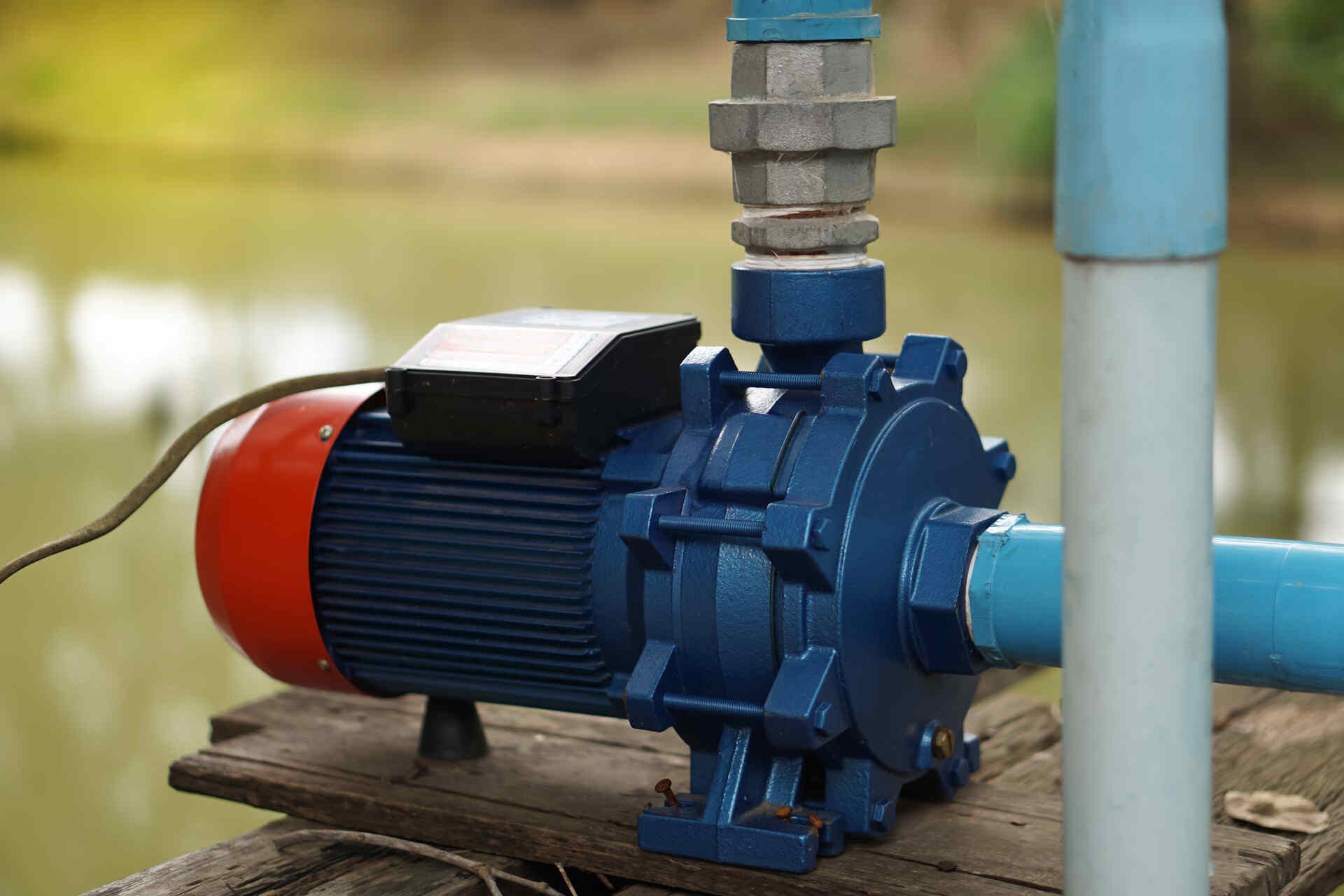
Losing water without warning can disrupt your entire home. You may turn on a faucet and get weak pressure, sputtering water, or no water at all. In some cases, you may hear the water pump running even though no water reaches the house. In others, the pump may not turn on.
A home water pump may stop working because of a power problem, low well-water level, failed pressure switch, pressure tank issue, blocked filter, frozen pipe, leak, or worn pump motor.
This guide focuses on pumps that bring water from a private well or storage system into a home. It does not cover vehicle, caravan, pool, or appliance pumps. If the problem involves a basement sump pump, that is a separate system used to remove groundwater from around the home.
Some basic checks are safe for homeowners. However, electrical wiring, well equipment, pressure controls, and pump repairs should be handled by a qualified professional.
First Identify Which Water Pump Is Not Working
The term “water pump” can describe several different systems. Knowing which pump has stopped working helps you choose the right next step.
A well pump draws water from a private well and delivers it to the home. A sump pump removes water from a basement or crawlspace. A booster pump increases low water pressure. Some homes also use pumps with storage tanks or water-treatment equipment.
The U.S. Environmental Protection Agency explains that shallow wells commonly use above-ground jet pumps, while deeper private wells commonly use submersible pumps installed inside the well casing. mainly addresses private well-pump systems. If your sump pump has stopped removing basement water, contact Gleason about sump pump repair instead.
What Should You Check When the Water Pump Stops Working?
Start with simple observations before touching any equipment.
Check whether:
- Every faucet has lost water
- Only one fixture is affected
- The water pressure became weak before stopping
- The pump is making noise
- The pump is completely silent
- The problem began during freezing weather
- The power went out recently
- Your household used a large amount of water
- A filter or water-treatment system was recently serviced
- Water is leaking near the pressure tank or plumbing
If only one faucet has no water, the problem may be at that fixture rather than at the pump. If the whole house has no water, the pump, well, pressure tank, electrical supply, or main plumbing line may be involved.
1. The Water Pump Has Lost Power
A private well pump needs electricity. A tripped breaker, blown fuse, loose connection, failed control, or local power outage can stop it from running.
Signs of a power problem may include:
- The pump is completely silent
- The pressure gauge remains low
- Water stopped after a power outage
- The breaker trips again after being reset
- You notice a burning smell or damaged wires
What You Can Check Safely
Look at the electrical panel and find the breaker marked for the well or water pump. If it is tripped, move it fully to the Off position and then back to On one time.
Do not keep resetting a breaker that trips repeatedly. A breaker that trips again may point to a pump motor, wiring, control, or electrical problem.
Never touch wet electrical equipment. Do not remove electrical covers or work on pump wiring unless you are trained and qualified to do so.
2. The Pressure Switch Is Not Starting the Pump
The pressure switch tells the well pump when to turn on and off.
When water is used, pressure in the system drops. At a set pressure, the switch tells the pump to start. Once the pressure rises to the upper setting, the switch shuts the pump off.
A damaged, dirty, or stuck pressure switch may prevent the water pump from turning on.
Possible warning signs include:
- The pump does not start when water is needed
- The switch clicks but the pump stays off
- The pump runs without stopping
- Water pressure rises and falls
- The pressure gauge does not move normally
- The switch contacts look burned or damaged
Pressure controls contain electrical parts. A professional should inspect, clean, adjust, or replace the switch.
3. The Well-Water Level Is Too Low
A water pump cannot deliver water if the well is not producing enough.
The water level may fall during dry weather or after heavy household use. A low-yield well may also struggle when showers, washing machines, irrigation systems, and other fixtures operate at the same time.
The University of Minnesota Extension notes that a well can stop producing water because of low groundwater, worn equipment, pressure tank trouble, electrical problems, or blocked plumbing. A well-water level may include:
- Water stops after heavy use
- Water returns after the system rests
- Faucets sputter or release air
- The pump runs but does not build pressure
- The problem becomes worse during dry weather
- Sediment appears in the water
Turn off the pump if you believe it is running without water. Continued operation may overheat or damage the equipment.
A licensed well professional can measure the water level, test the well’s recovery rate, and determine whether the problem comes from the well or the pump.
4. The Pressure Tank Is Not Working Properly
A pressure tank stores water under pressure and reduces how frequently the pump needs to start.
As water enters the tank, it compresses the air inside. When a faucet opens, that air pressure pushes water into the plumbing. Once the pressure falls to the pump’s starting level, the pressure switch activates the pump.
The Minnesota Department of Health explains that a waterlogged pressure tank can cause rapid pump cycling. This happens when the tank loses the proper separation between air and water. Retank problems include the following:
- The pump starts and stops every few seconds
- Water pressure changes quickly
- The tank makes unusual sounds
- Water comes from the tank’s air valve
- The pump runs too frequently
- The pressure gauge behaves abnormally
Do not add air to the tank without knowing the correct procedure and system settings. Incorrect pressure can cause poor performance or damage.
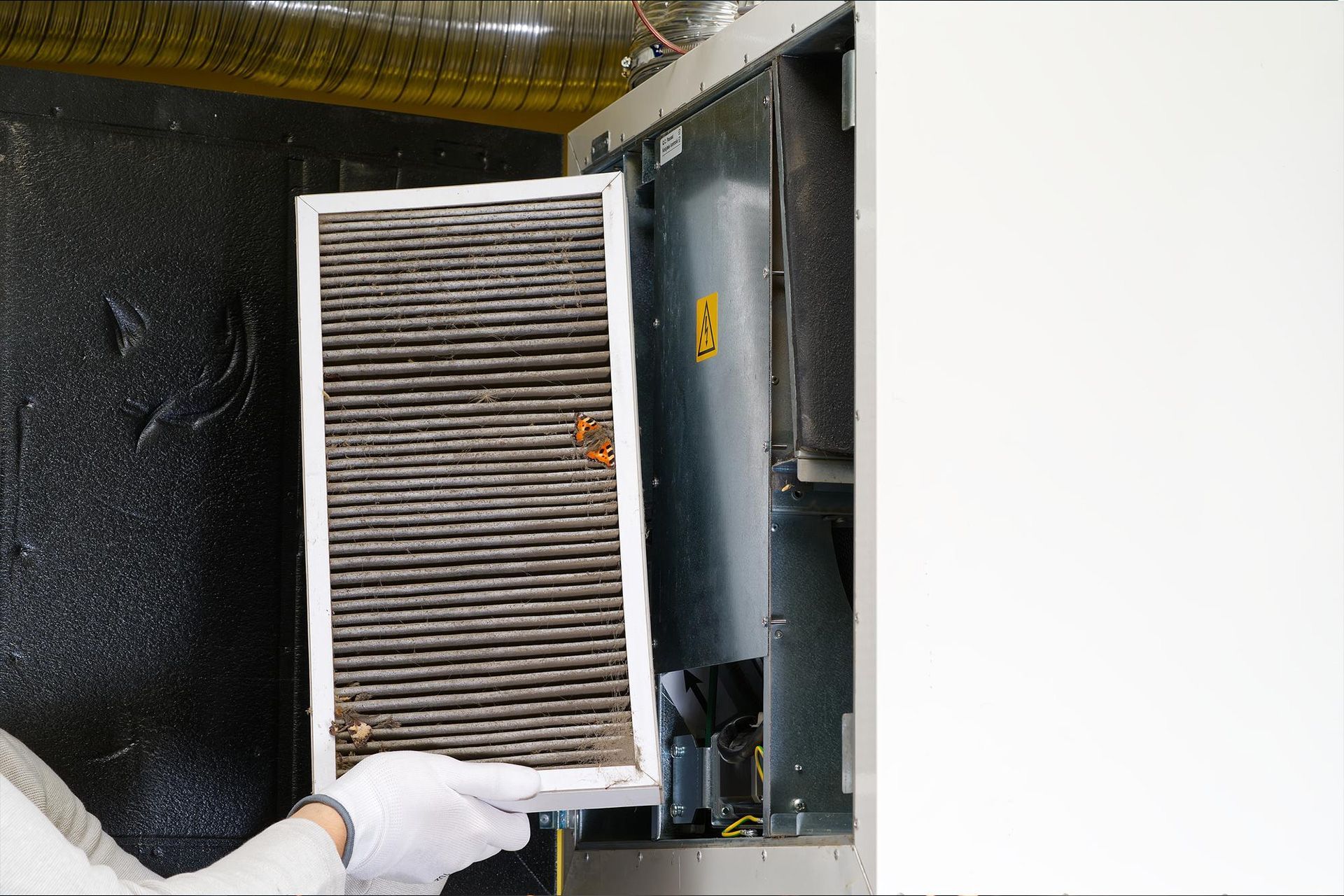
5. A Filter or Water-Treatment Device Is Blocked
A clogged sediment filter, water softener, iron filter, or other treatment component can restrict water flow.
The pump may be working, but water may not move through the rest of the system at the expected rate.
Possible signs include:
- Weak pressure throughout the home
- Water flow slowly became worse
- Pressure is stronger before the filter than after it
- The problem started after treatment-system service
- A filter cartridge looks dirty
- A treatment device is stuck in a cleaning cycle
Check whether the filter is due for replacement. Follow the manufacturer’s safe instructions when changing cartridges or operating bypass valves.
Do not remove treatment equipment from service when doing so could allow unsafe or poor-quality water to enter the home.
Gleason provides water treatment and filtration services for homes in its service area. These services include whole-house filtration, water softening, and other water-quality systems. The pump is running but not pumping water to the house.
When a water pump is running but no water reaches the home, the cause may be different from a pump that will not turn on.
Possible causes include the following:
- The well-water level is too low
- An above-ground pump has lost its prime
- A suction pipe is leaking
- A check valve has failed
- A pipe is blocked
- The pump is worn or damaged
- The plumbing line between the well and house is leaking
- The pressure tank or controls are not working
Some above-ground pumps need water inside the pump housing before they can create suction. This is called priming. Submersible pumps use a different setup and are not primed in the same way.
Do not pour unclean water into a well or pump system. The Minnesota Department of Health advises using only properly disinfected water when well-pump priming or repair is required. I should identify the pump type before opening, priming, or repairing the system.
7. A Pipe or Fitting Is Leaking
A leak can cause pressure loss and make the pump run more than it should.
Some leaks are easy to see. Others may be underground, inside a wall, near the pressure tank, or along the pipe between the well and the home.
Watch for:
- Wet soil between the well and house
- Standing water near plumbing equipment
- Damp walls or flooring
- A pump that runs when no water is being used
- Air or sputtering at faucets
- Unexplained pressure loss
- Water stains near the pressure tank
Turn off fixtures and appliances that use water. Listen to see whether the pump continues running. Continued operation may point to a leak, failed valve, pressure problem, or pump issue.
8. The Pipes or Equipment Are Frozen
Cold weather can freeze exposed plumbing, pressure lines, or above-ground pump components.
Signs may include:
- Water stops during freezing weather
- Exposed pipes feel extremely cold
- One part of the home has water while another does not
- A pipe is swollen or cracked
- Water leaks after the pipe begins to thaw
Turn off the pump if you suspect a frozen or broken line. Use gentle heat, such as warm towels or safe indoor heat, on accessible pipes.
Never use an open flame. High heat can damage pipes, start a fire, or cause trapped water to expand too quickly.
After thawing, inspect the area carefully for cracks and leaks before restoring normal operation.
9. The Pump Motor or Pump Assembly Has Failed
Water pumps wear down over time. Electrical faults, dry running, sediment, frequent cycling, and age can damage the motor or pumping parts.
Possible signs include:
- The breaker trips when the pump tries to start
- The motor hums but does not run
- The pump produces less water than before
- The pump makes grinding or unusual noises
- The system loses pressure often
- Other causes have been ruled out
Pump age alone does not prove that replacement is needed. A technician should test the electrical supply, pressure controls, pressure tank, water level, and pump output before recommending major work.
Why Did My Water Pump Suddenly Stop Working?
A water pump that suddenly stopped working most likely lost power, reached a low well-water level, experienced a pressure switch failure, or developed a motor or control problem.
Think about what happened before the water stopped.
- A recent power outage may point to a tripped breaker.
- Heavy water use may point to a low-producing well.
- Freezing weather may point to a frozen line.
- Rapid on-and-off operation may point to a pressure tank problem.
- A pump that hums but does not move water may have a motor or pump issue.
These clues help a professional narrow down the cause.
Can You Repair a Water Pump at Home?
Homeowners can perform a few safe checks, but most water-pump repairs are not suitable DIY projects.
You can usually:
- Confirm whether the whole house has lost water
- Check for a neighborhood power outage
- Look at the breaker
- Check for visible leaks
- Review the pressure gauge
- Inspect an accessible filter
- Note sounds and symptoms
- Stop the pump if it is running without water
Do not:
- Work on live wiring
- Open electrical controls
- Pull a submersible pump from a well
- Adjust the pressure switch
- Enter a well pit or confined space
- Take apart the motor
- Keep resetting a breaker
- Run the pump when no water is available
Well and pump repairs can affect both electrical safety and drinking-water quality.
Who Should You Call When a Water Pump Is Not Working?
The correct professional depends on the cause.
Contact a licensed well contractor for:
- Low well-water levels
- Submersible or jet pump problems
- Well casing or well-line issues
- Pump removal
- Well testing
- Well construction concerns
Contact a licensed electrician for:
- Damaged electrical wiring
- Repeated breaker trips
- Failed power supply
- Unsafe electrical equipment
Contact a plumber for:
- Leaking household pipes
- Pressure problems inside the home
- Plumbing blockages
- Fixture issues
- Water-treatment equipment
- Sump-pump problems
Gleason publicly offers plumbing, sump pump, emergency plumbing, and water treatment services. Its listed services do not currently identify private well-pump repair as a core offering. Whether the problem comes from the well equipment or the home’s plumbing, describe the symptoms clearly when calling for service.
How Can You Reduce Future Water Pump Problems?
You cannot prevent every failure, but regular observation can help catch trouble earlier.
Helpful steps include:
- Notice changes in water pressure
- Address rapid pump cycling
- Replace filters as required
- Protect exposed pipes from freezing
- Repair plumbing leaks promptly
- Keep the area around equipment dry
- Record pump and pressure tank repairs
- Avoid placing heavy water demand on a low-yield well
- Have unusual sounds inspected
The EPA also recommends maintaining records of well installation, repairs, pumping tests, and water tests. These records can help identify changes in system performance. water should also be tested regularly. The EPA recommends annual testing for total coliform bacteria, nitrates, total dissolved solids, and pH, with additional testing when water quality changes or a problem is suspected. When Your Home Has No Water
A water pump not working can result from a simple power issue or a larger problem with the well, pressure tank, plumbing, or pump.
Start with safe checks. Confirm whether the entire home has lost water, look for a tripped breaker, check for visible leaks, and note whether the pump is silent or running. Do not open electrical controls or continue operating a pump that may be dry.
For household plumbing, sump pump, or water treatment concerns, contact Gleason HVAC & Plumbing. If the issue is within the private well or well-pump equipment, contact a qualified well professional for the correct inspection and repair.
Frequently Asked Questions About Water Pumps
Why Is My Water Pump Not Working?
Your water pump may not be working because it has lost power, the pressure switch has failed, the well-water level is low, the pressure tank has a problem, a filter is blocked, or the pump motor is damaged.
Why Is My Water Pump Not Turning On?
Check whether the pump has electrical power and whether its breaker has tripped. A failed pressure switch, motor, control box, or electrical connection may also prevent the pump from starting.
Why Is My Water Pump Running but Not Pumping Water to the House?
The well may be low, an above-ground pump may have lost its prime, a pipe may be leaking, a valve may have failed, or the pump may be worn. Turn off the pump if it might be running without water.
Why Did My Water Pump Suddenly Stop Working?
Sudden failure is commonly linked to a power interruption, pressure-control problem, low water level, electrical fault, or pump failure. The sounds, pressure reading, weather, and recent water use can provide clues.
How Can I Repair a Water Pump at Home?
You can check the breaker, filters, pressure gauge, and visible plumbing. Do not repair wiring, adjust pressure controls, remove a well pump, or take apart the motor unless you are trained to do so.
Can a Clogged Filter Make It Seem Like the Water Pump Failed?
Yes. A heavily blocked filter or treatment device can reduce or stop water flow even when the pump is operating. Check the filter and bypass controls according to the equipment instructions.
Is a Well Pump the Same as a Sump Pump?
No. A well pump brings water into the home from a private well. A sump pump removes groundwater from a basement or crawlspace to help protect the property from water damage.
Disclaimer: The information on this website and blog is for general informational purposes only and is not professional advice. We make no guarantees of accuracy or completeness. We disclaim all liability for errors, omissions, or reliance on this content. Always consult a qualified professional for specific guidance.
Recent Posts